What are the long-term complications of GERD?
Chronic GERD that is untreated can cause serious complications. Inflammation of the esophagus from refluxed stomach acid can damage the lining and cause bleeding or ulcers—also called esophagitis. Scars from tissue damage can lead to strictures— narrowing of the esophagus—that make swallowing difficult. Some people develop Barrett’s esophagus, in which cells in the esophageal lining take on an abnormal shape and color. Over time, the cells can lead to esophageal cancer, which is often fatal. Persons with GERD and its complications should be monitored closely by a physician.
Studies have shown that GERD may worsen or contribute to asthma, chronic cough, and pulmonary fibrosis.
Archive for the ‘Health’ Category
Understanding Heartburn: Day 4
In Health, Healthcare, Medicine on September 2, 2012 at 8:00 am
What if GERD symptoms persist?
If your symptoms do not improve with lifestyle changes or medications, you may need additional tests.
• Barium swallow radiograph uses x rays to help spot abnormalities such as a hiatal hernia and other structural or anatomical problems of the esophagus. With this test, you drink a solution and then x rays are taken. The test will not detect mild irritation, although strictures—narrowing of the esophagus—and ulcers can be observed.
• Upper endoscopy is more accurate than a barium swallow radiograph and may be performed in a hospital or a
doctor’s office. The doctor may spray your throat to numb it and then, after lightly sedating you, will slide a thin,
flexible plastic tube with a light and lens on the end called an endoscope down your throat. Acting as a tiny
camera, the endoscope allows the doctor to see the surface of the esophagus and search for abnormalities. If you
have had moderate to severe symptoms and this procedure reveals injury to the esophagus, usually no other
tests are needed to confirm GERD. The doctor also may perform a biopsy. Tiny tweezers, called forceps, are
passed through the endoscope and allow the doctor to remove small pieces of tissue from your esophagus.
The tissue is then viewed with a microscope to look for damage caused by acid reflux and to rule out other prob
lems if infection or abnormal growths are not found.
• pH monitoring examination involves the doctor either inserting a small tube into the esophagus or clipping a tiny
device to the esophagus that will stay there for 24 to 48 hours. While you go about your normal activities, the device measures when and how much acid comes up into your esophagus. This test can be useful if combined with a carefully completed diary— recording when, what, and amounts the person eats—which allows the doctor to see correlations between symptoms and reflux episodes. The procedure is sometimes helpful in detecting whether respiratory symp
toms, including wheezing and coughing, are triggered by reflux.
A completely accurate diagnostic test for GERD does not exist, and tests have not consistently shown that acid exposure to the lower esophagus directly correlates with damage to the lining.
Surgery
Surgery is an option when medicine and lifestyle changes do not help to manage GERD symptoms. Surgery may also be
a reasonable alternative to a lifetime of drugs and discomfort.
Understanding Heartburn: Day 3
In Health, Healthcare, Medicine on September 1, 2012 at 8:00 amHow is GERD treated?
See your health care provider if you have had symptoms of GERD and have been using antacids or other over-the-counter reflux medications for more than 2 weeks. Your health care provider may refer you to a gastroenterologist, a doctor who treats diseases of the stomach and intestines. Depending on the severity of your GERD, treatment may involve one or more of the following lifestyle changes, medications, or surgery.
Lifestyle Changes
• If you smoke, stop.
• Avoid foods and beverages that worsen symptoms.
• Lose weight if needed.
• Eat small, frequent meals.
• Wear loose-fitting clothes.
• Avoid lying down for 3 hours after a meal.
• Raise the head of your bed 6 to 8 inches by securing wood blocks under the bedposts. Just using extra pillows will not help.
Medications
Your health care provider may recommend over-the-counter antacids or medications that stop acid production or help the muscles that empty your stomach. You can buy many of these medications without a prescription. However, see your health care provider before starting or adding a medication. Antacids, such as Alka-Seltzer, Maalox, Mylanta, Rolaids, and Riopan, are usually the first drugs recommended to relieve heartburn and other mild GERD symptoms. Many brands on the market use different combinations of three basic salts— magnesium, calcium, and aluminum—with
hydroxide or bicarbonate ions to neutralize the acid in your stomach. Antacids, however, can have side effects. Magnesium salt can lead to diarrhea, and aluminum salt may cause constipation. Aluminum and magnesium salts are often combined in a single product to balance these effects. Calcium carbonate antacids, such as Tums, Titralac, and Alka-2, can also be a supplemental source of calcium. They can cause constipation as well. Foaming agents, such as Gaviscon, work by covering your stomach contents with foam to prevent reflux. H2 blockers, such as cimetidine (Tagamet HB), famotidine (Pepcid AC), nizatidine (Axid AR), and ranitidine (Zantac 75), decrease acid production. They are available in prescription strength and over-thecounter strength. These drugs provide short-term relief and are effective for about half of those who have GERD symptoms. Proton pump inhibitors include omeprazole (Prilosec), lansoprazole (Prevacid), pantoprazole (Protonix), rabeprazole (Aciphex), and esomeprazole (Nexium), which are available by prescription. Prilosec is also available in over-thecounter strength. Proton pump inhibitors
are more effective than H2 blockers and can relieve symptoms and heal the esophageal lining in almost everyone who has GERD.
Prokinetics help strengthen the LES and make the stomach empty faster. This group includes bethanechol (Urecholine) and metoclopramide (Reglan). Metoclopramide also improves muscle action in the digestive tract. Prokinetics have frequent side effects that limit their usefulness— fatigue, sleepiness, depression, anxiety, and problems with physical movement.
Because drugs work in different ways, combinations of medications may help control symptoms. People who get heartburn after eating may take both antacids and H2 blockers. The antacids work first to neutralize the acid in the stomach, and then the H2 blockers act on acid production. By the time the antacid stops working, the H2 blocker will have stopped acid production. Your health care provider is the best source of information about how to use
medications for GERD.
Understanding Heartburn: Day 2
In Health, Healthcare, Medicine on August 31, 2012 at 8:00 amWhat are the symptoms of GERD?
The main symptom of GERD in adults is frequent heartburn, also called acid indigestion—burning-type pain in the lower part of the mid-chest, behind the breast bone, and in the mid-abdomen. Most children under 12 years with GERD,
and some adults, have GERD without heartburn. Instead, they may experience a dry cough, asthma symptoms, or trouble swallowing.
What causes GERD?
The reason some people develop GERD is still unclear. However, research shows that in people with GERD, the LES relaxes while the rest of the esophagus is working. Anatomical abnormalities such as a hiatal hernia occurs when the upper part of the stomach and the LES move above the diaphragm, the muscle wall that separates the stomach from the chest. Normally, the people of any age and is most often a normal finding in otherwise healthy people diaphragm helps the LES keep acid from rising up into the esophagus. When a hiaover age 50. Most of the time, a hiatal hernia produces no symptoms.tal hernia is present, acid reflux can occur more easily. A hiatal hernia can occur in people of any age and is most often a normal finding in otherwise healthy people diaphragm helps the LES keep acid from rising up into the esophagus. When a hiaover age 50. Most of the time, a hiatal hernia produces no symptoms.
Other factors that may contribute to GERD include
• obesity
• pregnancy
• smoking
Common foods that can worsen reflux symptoms include
• citrus fruits
• chocolate
• drinks with caffeine or alcohol
• fatty and fried foods
• garlic and onions
• mint flavorings
• spicy foods
• tomato-based foods, like spaghetti sauce, salsa, chili, and pizza
Understanding Heartburn: Day 1
In Health, Healthcare, Medicine on August 30, 2012 at 8:00 amWhat is Heartburn/GERD?

Gastroesophageal reflux disease (GERD) is a more serious form of gastroesophageal reflux (GER), which is common. GER occurs when the lower esophageal sphincter (LES) opens spontaneously, for varying periods of time, or does not close properly and stomach contents rise up into the esophagus. GER is also called acid reflux or acid regurgitation, because digestive juices—called acids—rise up with the food. The esophagus is the tube that carries food from the mouth to the stomach. The LES is a ring of muscle at the bottom of the esophagus that acts like a valve between the esophagus and stomach.When acid reflux occurs, food or fluid can be tasted in the back of the mouth. When refluxed stomach acid touches the lining of the esophagus it may cause a burning sensation in the chest or throat called heartburn or acid indigestion. Occasional GER is common and does not necessarily mean one has GERD. Persistent reflux that occurs more than twice a week is considered GERD, and it can eventually lead to more serious health problems. People of all ages can have GERD.
Diabetes: Things to Know
In Health, Healthcare, Medicine on August 23, 2012 at 8:00 amDid you know that diabetes can lead to heart attack and stroke, blindness, or kidney failure?
Too much glucose, a type of sugar, in your blood can cause diabetes problems over time. High blood glucose can cause heart and blood vessel disease, which can lead to heart attacks and strokes. Damage to the eyes can lead to loss of sight or blindness. Nerve damage and poor blood flow can cause foot problems, sometimes leading to amputation.
You can prevent or delay diabetes problems by keeping your blood glucose, blood pressure, and cholesterol under control.
How can I tell if I have diabetes problems?
You may have diabetes problems if
- your blood pressure is 130 over 80, written as 130/80, or higher
- you have pain in your chest
- you have blurry or double vision, or feel pain or pressure in your eyes
- you have foot problems-such as blisters, ingrown toenails, or cracked skin-that get infected
- your arms, hands, legs, or feet feel numb, or you feel shooting pains
Some diabetes problems don’t have symptoms at first. For example, you cannot tell if your kidneys are damaged until they stop working altogether. Your doctor should test your urine every year to see how well your kidneys are working.
What can I do to stay healthy with diabetes?
Controlling your blood glucose, blood pressure, and cholesterol can make a big difference in staying healthy. Talk with your doctor about what your ABC goals should be and how to reach them. A stands for the A1C test-a measure of what your blood glucose has been for the last three months. B is for blood pressure, and C is for cholesterol.
You can take these steps each day to reach your ABC goals:
- Follow the healthy eating plan that you and your doctor or dietitian have discussed.
- Be physically active for 30 to 60 minutes most days.
- Take your medicines as directed and keep taking them, even after you’ve reached your goals.
- If you smoke, quit.
- Ask your doctor if you should take aspirin to prevent a heart attack or stroke.
- Check your feet every day for cuts, blisters, sores, swelling, redness, or sore toenails.
Pre-Diabetes: Control it before it becomes a Monster
In Health, Healthcare, Medicine on August 22, 2012 at 8:00 amDid you know if you are 45 years old or older, overweight, and inactive, you may have prediabetes?
What is prediabetes?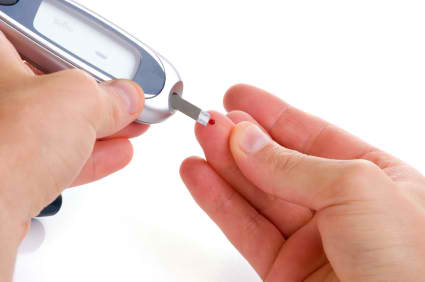

Prediabetes means you have blood glucose levels that are higher than normal but not high enough to be called diabetes. Glucose is a form of sugar your body uses for energy. Too much glucose in your blood can damage your body over time. Prediabetes is also called impaired fasting glucose (IFG) or impaired glucose tolerance (IGT).
If you have prediabetes, you are more likely to develop type 2 diabetes, heart disease, and stroke. Being overweight and physically inactive contributes to prediabetes. You can sometimes reverse prediabetes with weight loss that comes from healthy eating and physical activity.
How do I know if I have prediabetes?
Most people with prediabetes don’t have any symptoms. Your doctor can test your blood to find out if your blood glucose levels are higher than normal.
Who should be tested for prediabetes?
If you are 45 years old or older, your doctor may recommend that you be tested for prediabetes, especially if you are overweight. Being overweight means your body mass index (BMI) is over 25. BMI is a measure of your weight relative to your height. If you’re not sure, ask your doctor if you are overweight.
Even if you are younger than 45, consider getting tested if you are overweight and
- are physically active less than three times a week
- have a parent, brother, or sister with diabetes
- have high blood pressure
- have abnormal levels of HDL cholesterol or triglycerides, two types of blood fats
- had gestational diabetes-diabetes during pregnancy-or gave birth to a baby weighing more than 9 pounds
- are African American, American Indian, Hispanic/Latino, Asian American, or Pacific Islander
- have polycystic ovary syndrome
- have dark, thick, velvety skin around your neck or in your armpits
- have blood vessel problems affecting your heart, brain, or legs
If the results are normal, you should be retested in 3 years. If you have prediabetes, you should be tested for type 2 diabetes every year or two.
What can I do about prediabetes?
Losing weight-at least 5 to 10 percent of your starting weight-can prevent or delay diabetes or even reverse prediabetes. That’s 10 to 20 pounds for someone who weighs 200 pounds. You can lose weight by cutting down on the amount of calories and fat you consume and being physically active at least 30 minutes a day. Physical activity also helps make your body’s insulin work better.
Ask your doctor if you should also take medicine to help control the amount of glucose in your blood.
The National Diabetes Education Program’s “Small Steps. Big Rewards. Prevent type 2 Diabetes” campaign has more information about preventing diabetes.
Irritable Bowel Syndrome: A Nightmare which can be fixed by changing Lifestyle
In Health, Healthcare, Medicine on August 21, 2012 at 8:00 am
Did you know that if you often have stomach cramps, bloating, gas, diarrhea, or constipation, you could have irritable bowel syndrome?
What is irritable bowel syndrome?

Irritable bowel syndrome (IBS) is a functional disorder of the large bowel, meaning the bowel doesn’t work, or function, correctly. IBS is not a disease, but a group of symptoms.
What are the symptoms of IBS?
The main symptoms of IBS are
- pain or discomfort in the abdomen, often relieved by a bowel movement
- chronic diarrhea, constipation, or both
Other symptoms include
- whitish mucus in the stool
- a swollen or bloated abdomen
- the feeling that you have not finished a bowel movement
Women with IBS often have more symptoms during their menstrual periods.
How will I know if I have IBS?
Your doctor may diagnose IBS based on your symptoms. No specific test for IBS exists, but your doctor may do some
What can I do about IBS?
IBS has no cure but you can take some steps to relieve symptoms. You might have to try a few different things to see what works best for you. Your doctor can help you find the right treatment plan, which may include
- avoiding foods that can trigger symptoms, such as fatty foods, milk products, and carbonated drinks
- eating foods with fiber
- eating four or five small meals instead of three big meals
- taking medicines that help relieve symptoms
- reducing emotional stress
Lactose intolerance: A common suffering
In Health, Healthcare, Medicine on August 20, 2012 at 8:00 amDid you know that if you don’t feel well after drinking milk or eating milk products, you may have lactose intolerance?
What is lactose intolerance?
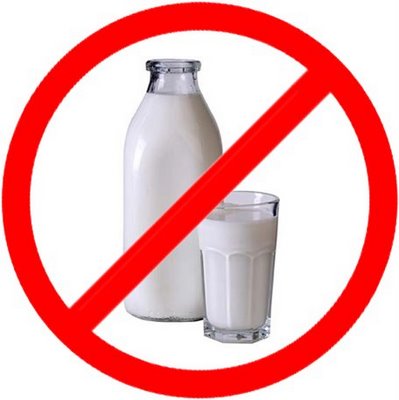
Lactose intolerance means your body has trouble digesting, or breaking down, lactose. Lactose is the sugar found in milk and milk products. The small intestine—an organ in the digestive tract—needs lactase enzyme to break down lactose. With lactose intolerance, your body doesn’t make enough lactase enzyme to properly digest lactose.
How will I feel if I have lactose intolerance?
If you have lactose intolerance, you may not feel well after you have milk or milk products. You may also have stomach cramps, bloating, gas, diarrhea, or nausea.
Other illnesses can cause these same symptoms. Your health care provider will ask about your symptoms and perform tests to see if your problems are caused by lactose intolerance.
Who gets lactose intolerance?
Many people have lactose intolerance. Some people become lactose intolerant as children. In others, the problem starts when they are teenagers or adults. Asian Americans, African Americans, American Indians, Hispanics/Latinos, and people with southern European heritage are more likely to be lactose intolerant than people of northern European descent.
Eating, Diet, and Nutrition
You can change your diet to manage the symptoms of lactose intolerance. People differ as to how much milk and milk products they can eat or drink without having symptoms. Most people with lactose intolerance do not have to give up milk or milk products. You may be able to eat or drink small amounts—4 ounces or less—of milk or milk products without symptoms. Yogurt and hard cheeses, like cheddar and Swiss, are easier for some people with lactose intolerance to digest.
Over-the-counter products, such as tablets or liquid drops that contain lactase enzyme, can help you digest milk and milk products. You can also buy lactose-free and lactose-reduced milk and milk products.
Milk and milk products are the most common sources of calcium. Calcium is a mineral the body needs for strong bones and teeth. To absorb calcium, your body needs vitamin D. It’s hard to get enough calcium and vitamin D even if you eat and drink milk and milk products. Talk with your health care provider about how to get calcium and vitamin D in your diet and ask if you should also take calcium or vitamin D supplements.
How will I know if a food has lactose?
Learn to read food labels carefully. Look for milk and lactose in the list of ingredients. Also look for words such as whey, curds, milk by-products, dried milk, milk solids, and powdered milk. If any of these words are listed on a label, the product contains lactose.
Lactose is found in milk and milk products, such as
- ice cream
- cream
- butter
- cheese
- cottage cheese
- yogurt
Rarely, people with lactose intolerance are bothered by even small amounts of lactose. Lactose may be added to boxed, canned, frozen, packaged, and prepared foods such as
- breads and other baked goods
- cereals
- breakfast and lunch meats
- salad dressings
- mixes for cakes, cookies, pancakes, and biscuits
- frozen dinners and breakfast foods
- instant potatoes and soups
- snacks such as potato chips and corn chips
Bladder Control: What Women Need to Know
In Health, Healthcare, Medicine on August 19, 2012 at 8:00 amDid you know urine leakage is a common problem for women of all ages?
But urine leakage doesn’t have to be an unavoidable part of a woman’s life. Bladder control problems can be treated.
Who is likely to have bladder control problems?
About half of adult women say they have had urine leakage at one time or another. Many women say the problem occurs daily.
Often women leak urine when they are pregnant or after they have given birth.
Women who have stopped having their periods-menopause-often report bladder control problems.
Many women leak urine when they exercise, laugh hard, cough, or sneeze.
What causes bladder control problems in women?
Urine leakage has many possible causes.
- Weak muscles. Most bladder control problems are caused by weak pelvic muscles-the muscles that hold the bladder in place. These muscles may become stretched and weak during pregnancy and childbirth. The sphincters-muscles that keep the bladder closed until you urinate-may also be weakened.
- Nerve damage. Damaged nerves may send signals to the bladder at the wrong time, causing the bladder to push out urine without warning. Or damaged nerves send no signals at all, so the brain can’t tell when the bladder is full. Trauma or diseases such as diabetes can cause nerve damage.
- Medicines, alcohol, and caffeine. Leaking can happen when medicines or alcohol affect the nerves or muscles. Caffeinated drinks such as coffee or cola cause the bladder to fill quickly, which may cause the bladder to leak.
- Infection. A urinary tract infection can irritate bladder nerves and cause the bladder to squeeze without warning.
- Excess weight. Being overweight can put pressure on the bladder and contribute to leakage.
What can I do about bladder control problems?
Just changing some daily habits may help. If you tend to leak urine at certain times of the day, you can make trips to the bathroom ahead of time to avoid an accident. If you notice that certain foods and drinks cause you to urinate more often, try avoiding them.
Don’t be embarrassed to talk with your doctor about your problem. Your doctor may prescribe a medicine that can calm muscles and nerves to treat an overactive bladder. If your leakage is caused by weak muscles, your doctor or nurse can help you learn to do exercises to strengthen your pelvic muscles. Or your doctor may fit you with a device worn in the vagina that helps lift the bladder. If other treatments fail, your doctor may suggest surgery to improve bladder control.

 DHYAANGURU Dr Nipun Aggarwal,MD, MBA, MHT