Archive for the ‘Health’ Category
Calcium, Dairy product, Diet food, Drink, Fat, Lactose, Milk, Salmon, Vitamin D
In Health, Healthcare, Medicine on July 29, 2012 at 8:00 am
Myth: Dairy products are fattening and unhealthy.
Fact: Low-fat and fat-free milk, yogurt, and cheese are just as nutritious as whole-milk dairy products, but they are lower in fat and calories. Dairy products have many nutrients your body needs. They offer protein to build muscles and help organs work properly, and calcium to strengthen bones. Most milk and some yogurt are fortified with vitamin D to help your body use calcium.
Tip: The Dietary Guidelines for Americans, 2010 recommends consuming 3 cups per day of fat-free/low-fat milk or equivalent milk products. For more information on these guidelines, visit http://www.health.gov/dietaryguidelines.
If you cannot digest lactose (the sugar found in dairy products), choose low-lactose or lactose-free dairy products, or other foods and beverages that offer calcium and vitamin D (listed below).
Calcium: soy-based beverage or tofu made with calcium sulfate; canned salmon; dark leafy greens like collards or kale
Vitamin D: soy-based beverage or cereal (getting some sunlight on your skin also gives you a small amount of vitamin D)
beef, Diet, Fat, Food, health, Meat, red meat, Saturated fat, Shopping, Supplements, Weight loss
In Health, Healthcare, Medicine on July 28, 2012 at 8:00 am
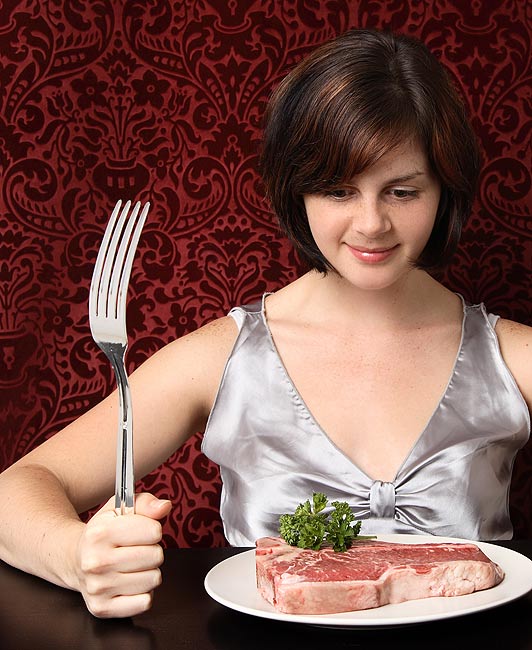
Myth: Eating red meat is bad for your health and makes it harder to lose weight.
Fact: Eating lean meat in small amounts can be part of a healthy weight-loss plan. Red meat, pork, chicken, and fish contain some cholesterol and saturated fat (the least healthy kind of fat). They also contain healthy nutrients like protein, iron, and zinc.
Tip: Choose cuts of meat that are lower in fat and trim all visible fat. Lower fat meats include pork tenderloin and beef round steak, tenderloin, sirloin tip, flank steak, and extra lean ground beef. Also, pay attention to portion size. Three ounces of meat or poultry is the size of a deck of cards.
Calorie, Diet, Fat, health, nuts, Physical exercise, Programs, Shopping, Supplements, Support Groups, Weight loss
In Health, Healthcare, Medicine on July 27, 2012 at 8:00 am
Myth: Nuts are fattening and you should not eat them if you want to lose weight.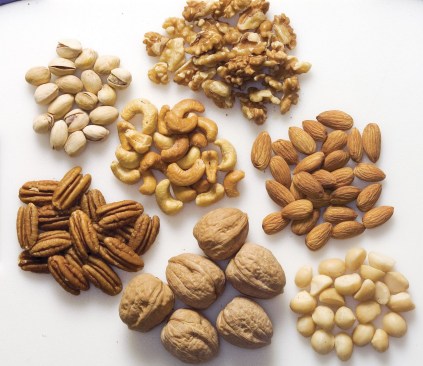
Fact: In small amounts, nuts can be part of a healthy weight-loss program. Nuts are high in calories and fat. However, most nuts contain healthy fats that do not clog arteries. Nuts are also good sources of protein, dietary fiber, and minerals such as magnesium and copper.
Tip: Enjoy small portions of nuts. One-half ounce of mixed nuts has about 84 calories.
Adipose tissue, Calorie, Crunch (exercise), Diet, health, lifting weights, Muscle, Physical exercise, Push-up, Strength training, Weight loss
In Health, Healthcare, Medicine on July 26, 2012 at 8:00 am
Myth: Lifting weights is not good to do if you want to lose weight, because it will make you “bulk up.”
Fact: Lifting weights or doing strengthening activities like push-ups and crunches on a regular basis can actually help you maintain or lose weight. These activities can help you build muscle, and muscle burns more calories than body fat. So if you have more muscle, you burn more calories—even sitting still. Doing strengthening activities 2 or 3 days a week will not “bulk you up.” Only intense strength training, combined with a certain genetic background, can build very large muscles.
Tip: In addition to doing moderate-intensity physical activity (like walking 2 miles in 30 minutes) on most days of the week, try to do strengthening activities 2 to 3 days a week. You can lift weights, use large rubber bands (resistance bands), do push-ups or sit-ups, or do household or garden tasks that make you lift or dig. Strength training helps keep your bones strong while building muscle, which can help burn calories.
Calorie, Diet, EAT, Eating, eating late, Food, health, late night, lose weight, obesity, Physical exercise, Shopping, Weight gain, Weight loss
In Health, Healthcare, Medicine on July 25, 2012 at 8:00 am
Myth: Eating after 8 p.m. causes weight gain.
Fact: It does not matter what time of day you eat. It is what and how much you eat and how much physical activity you do during the whole day that determines whether you gain, lose, or maintain your weight. No matter when you eat, your body will store extra calories as fat.
Tip: If you want to have a snack before bedtime, think first about how many calories you have eaten that day. And try to avoid snacking in front of the TV at night—it may be easier to overeat when you are distracted by the television.
Articles, Cook, Diet, Diet food, Eating, health, Human nutrition, Meal, Physical exercise, Special Diets, Weight loss
In Health, Healthcare, Medicine on July 24, 2012 at 8:00 am
Myth: Skipping meals is a good way to lose weight.

Fact: Studies show that people who skip breakfast and eat fewer times during the day tend to be heavier than people who eat a healthy breakfast and eat four or five times a day. This may be because people who skip meals tend to feel hungrier later on, and eat more than they normally would. It may also be that eating many small meals throughout the day helps people control their appetites.
Tip: Eat small meals throughout the day that include a variety of healthy, low-fat, low-calorie foods.
Calorie, Deep frying, Diet, Diet food, Dieting, Fast food, Food, French fries, health, Salad, Shopping, Weight loss
In Health, Healthcare, Medicine on July 23, 2012 at 8:00 am
Myth: Fast foods are always an unhealthy choice and you should not eat them when dieting.
Fact: Fast foods can be part of a healthy weight-loss program with a little bit of know-how.
Tip: Avoid supersized combo meals, or split one with a friend. Sip on water or fat-free milk instead of soda. Choose salads and grilled foods, like a grilled chicken breast sandwich or small hamburger. Try a “fresco” taco (with salsa instead of cheese or sauce) at taco stands. Fried foods, like french fries and fried chicken, are high in fat and calories, so order them only once in a while, order a small portion, or split an order with a friend. Also, use only small amounts of high-fat, high-calorie toppings, like regular mayonnaise, salad dressings, bacon, and cheese.
Calorie, Cooking, Diet food, Fat, Food, health, Home, Nutrition facts label, Serving size, Special Diets
In Health, Healthcare, Medicine on July 22, 2012 at 8:00 am
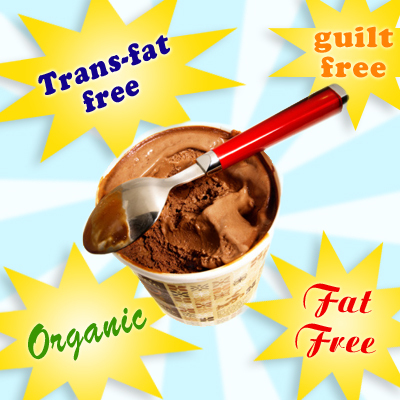
Myth: Low-fat or fat-free means no calories.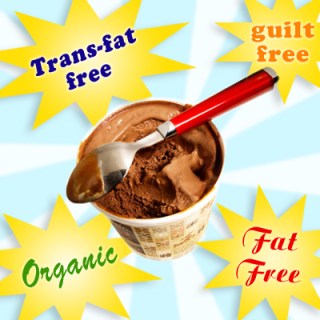
Fact: A low-fat or fat-free food is often lower in calories than the same size portion of the full-fat product. But many processed low-fat or fat-free foods have just as many calories as the full-fat versions of the same foods—or even more calories. They may contain added sugar, flour, or starch thickeners to improve flavor and texture after fat is removed. These ingredients add calories.
Tip: Read the Nutrition Facts on a food package to find out how many calories are in a serving. Check the serving size too—it may be less than you are used to eating.
Calorie, Diet, Eating, Food, health, Physical exercise, Portion control (dieting), Shopping, Weight loss
In Health, Healthcare, Medicine on July 21, 2012 at 8:00 am
Myth: “I can lose weight while eating whatever I want.”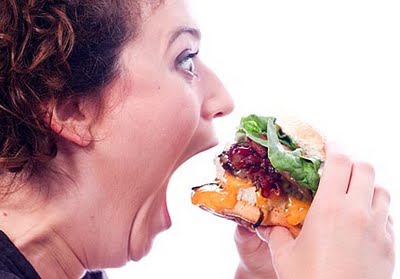
Fact: To lose weight, you need to use more calories than you eat. It is possible to eat any kind of food you want and lose weight. You need to limit the number of calories you eat every day and/or increase your daily physical activity. Portion control is the key. Try eating smaller amounts of food and choosing foods that are low in calories.
Tip: When trying to lose weight, you can still eat your favorite foods—as long as you pay attention to the total number of calories that you eat.
Alternative, Diet, Disease, HAPPINESS, health, Health care provider, herbal, Herbalism, medicine, natural, Pain, Patient, Shopping, Supplements, Weight loss, weight loss products
In Health, Healthcare, Medicine on July 20, 2012 at 8:00 am
Myth: Natural or herbal weight-loss products are safe and effective.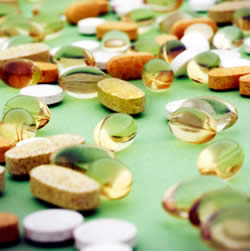
Fact: A weight-loss product that claims to be “natural” or “herbal” is not necessarily safe. These products are not usually scientifically tested to prove that they are safe or that they work. For example, herbal products containing ephedra (now banned by the U.S. Government) have caused serious health problems and even death. Newer products that claim to be ephedra-free are not necessarily danger-free, because they may contain ingredients similar to ephedra.
Tip: Talk with your health care provider before using any weight-loss product. Some natural or herbal weight-loss products can be harmful.








 DHYAANGURU Dr Nipun Aggarwal,MD, MBA, MHT