Let us Learn about Health and Healthcare

Posts Tagged ‘medicine’

Treat Patients the way you would like to get treated

In Health, Healthcare, Medicine on June 2, 2012 at 8:00 am

I  was a happy man when I passed my USMLE Step 3 exam. All doctors in US have to pass the USMLE Step 3 exam which deals with how you ‘Treat’ the patient. It is not just the medical diagnosis and treatment, it is the whole process of management that starts as soon as you enter the room. Doctors get graded heavily on their behavior towards the patient.

With changing healthcare and pressure of documenting everything, doctors are finding it really hard to keep that connection going. 15 minutes for a patient’s visit is not enough most of the times. If you increase the times, the ‘bottom-line revenue gets hurt. It has come to the point where doctors are taking their work home,making it hard for them to enjoy family time. That is why, medicine is no more one of the top demanded profession.

Despite all the hassles and pains, doctors in US continue to treat their patients in the best way they can. What is patient’s need? That somebody listens to them and help them. When listening, analyzing and actions become time-bound, the connection gets lost somewhere leaving both the parties unsatisfied most of the times. We are not paying much ‘Attention’. The doctor-patient relationship is central to the practice of healthcare and is essential for the delivery of high-quality health care in the diagnosis and treatment of disease. The doctor-patient relationship forms one of the foundations of contemporary medical ethics. There are very few physician practices who are actively involved in patient satisfaction surveys to know exactly where they are in terms of their services.

This loss of connection is nobody’s fault. It is the fault of the system that we as a society have designed. Health is no more a personal issue. It has become ‘E-Health’ (electronic health). Now you go for a doctor’s visit, what you hear is clicking(mouse and keyboard). We have lost the personal touch.

Is there a way to revive back the relationship and improve quality on top? Yes. The emerging concept of Patient Centered Medical Home(PCMH) takes away that burden off from the physicians and satisfies the patients. It is a multi-disciplinary integrative  approach towards patient. It does not just deals with the current problems, but helps manage overall wellness. It ensures that patients get the attention required to manage their issues.

PCMH aims to collaborate the various divisions of healthcare on a single platform to give a ‘One Stop Shop’ for health and wellness. AHA, HITECH,ACO and all other reforms added recently, have led Healthcare institutions to come up with processes to reduce waste, improve quality and deliver best possible care. The Healthcare IT industry is the busiest industry in current times. New softwares and techniques are being launched on a daily basis to make the current systems efficient.

But, whatever the case may be, Medicine is about ‘Connecting with the Patient’. We need to focus on E-Health, but not at the stake of Physician-Patient relationship. Whenever I feel myself swaying away by the winds of technological pressures, I stop and think to myself, “Is this the way I would like to be treated if I am a patient?”

From a doctor’s perspective, I would appeal to all the patients that the behavior of  doctors towards health is not by personal choice. The changes in Healthcare are coming too fast and sometimes it is hard to keep holding the ground for the healthcare providers. I am not sure how long this may take. But one thing is for sure, E-health can never overpower the strength of ‘Physician-Patient Relationship’.


Autoimmune Diseases: Stop Self Destruction !!

In Health, Healthcare, Medicine on June 1, 2012 at 7:00 am

Have you been wondering why and how do people in 21st century get bombarded with diseases that  were never heard of ? People still don’t know majority of the very common diseases in the current world. Everyone knows Hypertension (High BP), Diabetes, Cancer, Heart attacks and few more. But you will be surprised to know the toll some of the Autoimmune diseases take.

Autoimmune disorders arise from an inappropriate immune response of the body against substances and tissues normally present in the body. In other words, the immune system mistakes some part of the body as a pathogen and attacks its own cells. This may be restricted to certain organs (e.g. in autoimmune thyroiditis) or involve a particular tissue in different places (e.g. Goodpasture’s disease which may affect the basement membrane in both the lung and the kidney).

FURIOUS FACTS ABOUT AUTOIMMUNE DISEASES


• The National Institutes of Health (NIH estimates up to 23.5 million Americans suffer from autoimmune disease and that the prevalence is rising. In comparison, cancer affects up to 9 million and heart disease up to 22 million.
• Researchers have identified 80-100 different autoimmune diseases and suspect at least 40 additional diseases of having an autoimmune basis. These diseases are chronic and can be life-threatening.
• Autoimmune disease is one of the top 10 leading causes of death in female children and women in all age groups up to 64 years. of age.
• A close genetic relationship exists among autoimmune disease, explaining clustering in individuals and families as well as a common pathway of disease.
• Symptoms cross many specialties and can affect all body organs.
• Medical education provides minimal learning about autoimmune disease.
• Specialists are generally unaware of interrelationships among the different autoimmune diseases or advances in treatment outside their own specialty area.
• Initial symptoms are often intermittent and unspecific until the disease becomes acute.
• According to the Department of Health and Human Services’ Office of Women’s Health, autoimmune disease and disorders ranked #1 in a top ten list of most popular health topics requested by callers to the National Women’s Health Information Center.

Examples of Autoimmune or Autoimmune Related Diseases

  • Acute disseminated encephalomyelitis (ADEM). A form of encephalitis caused by an autoimmune reaction and typically occurring a few days or weeks after a viral infection or a vaccination.
  • Addison’s disease. A disease often caused by autoimmune destruction of the adrenal cortex.
  • Ankylosing spondylitis. A chronic, painful, progressive inflammatory arthritis primarily affecting spine and sacroiliac joints, causing eventual fusion of the spine.
  • Antiphospholipid antibody syndrome (APS). A disease that causes blood clots to form in veins and/or arteries.
  • Aplastic anemia. A disease caused by an autoimmune attack on the bone marrow.
  • Autoimmune hepatitis. A disorder wherein the liver is the target of the body’s own immune system.
  • Autoimmune Oophoritis.  A disorder in which the immune system attacks the female reproductive organs.
  • Celiac disease – sprue. A disease characterized by chronic inflammation of the proximal portion of the small intestine caused by exposure to certain dietary gluten proteins.
  • Crohn’s disease. A form of inflammatory bowel disease characterized by chronic inflammation of the intestinal tract causing abdominal pain and diarrhea. There is also a theory that Crohn’s Disease is an infectious disease caused by Mycobacterium avium paratuberculosis.
  • Diabetes mellitus type 1. A disorder  that is characterized by a deficiency or absence of insulin production (Type I). It is often the consequence of an autoimmune attack on the insulin-producing beta cells in the islets of Langerhans of the pancreas.
  • Gestational pemphigoid. A pregnancy-related blistering condition where auto antibodies attack the skin.
  • Goodpasture’s syndrome. A disease characterized by rapid destruction of the kidneys and hemorrhaging of the lungs through autoimmune reaction against an antigen found in both organs.
  • Graves’ disease. A disorder of the thyroid caused by anti-thyroid antibodies that stimulate the thyroid into overproduction of thyroid hormone. It is the most common form of hyperthyroidism.
  • Guillain-Barré syndrome (GBS). An acquired immune-mediated inflammatory disorder of the peripheral nervous system. Also referred to as:  acute idiopathic polyradiculoneuritis, acute idiopathic polyneuritis,  acute inflammatory demyelinating polyneuropathy, and Landry’s ascending paralysis.
  • Hashimoto’s disease. A condition characterized by initial inflammation of the thyroid, and, later, dysfunction and goiter. There are several characteristic antibodies (e.g., anti-thyroglobulin).  A common form of hypothyroidism,
  • Idiopathic thrombocytopenic purpura. An autoimmune disease where the body produces anti-platelet antibodies resulting in a low platelet count.
  • Kawasaki’s disease. A disorder caused by an autoimmune attack on the arteries around the heart.
  • Lupus erythematosus. A chronic (long-lasting) non organ specific autoimmune disease wherein the immune system becomes hyperactive and attacks normal tissue. This attack results in inflammation and brings about symptoms.
  • Mixed Connective Tissue Disease. A disorder that   has features of other connective tissues diseases — lupus,  polymyositis, rheumatoid arthritis, and scleroderma, diagnosed by the presence of  anti-body U1-RNP.
  • Multiple sclerosis. A disorder of the central nervous system (brain and spinal cord) characterized by decreased nerve function due to myelin loss and secondary axonal damage.
  • Myasthenia gravis. A disorder of neuromuscular transmission leading to fluctuating weakness and fatigue. Weakness is caused by circulating antibodies that block (antagonist) acetylcholine receptors at the neuromuscular junction.
  • Opsoclonus myoclonus syndrome (OMS).  A neurological disorder that appears to the result of an autoimmune attack on the nervous system. Symptoms include  ataxia, intention tremor, dysphasia, dysarthria,  myoclonus, mutism, hypotonia, opsoclonus, lethargy, irritability or malaise. About half of all OMS cases occur in association with neuroblastoma.
  • Optic neuritis. An inflammation of the optic nerve that may cause a complete or partial loss of vision.
  • Ord’s thyroiditis. Thyroiditis similar to Hashimoto’s disease, except that the thyroid is reduced in size.
  • Pemphigus. An autoimmune disorder that causes blistering and raw sores on skin and mucous membranes.
  • Pernicious anaemia. An autoimmune disorder characterized by anemia due to malabsorption of vitamin B12
  • Primary biliary cirrhosis. An autoimmune disease that affects the biliary epithelial cells (BECs) of the small bile duct in the liver. Although the cause is yet to be determined, most of the patients (>90%) appear to have auto-mitochondrial  anti-bodies (AMAs) against pyruvate dehydrogenase complex (PDC), an enzyme that is found in the mitochondria.
  • Rheumatoid arthritis. An autoimmune disorder that causes the body’s immune system to attack the bone joints.
  • Reiter’s syndrome. An autoimmune disease affecting various body systems in response to a bacterial infection and the body’s confusion over the HLA-B27 marker .
  • Sjögren’s syndrome. An autoimmune disorder in which immune cells attack and destroy the exocrine glands that produce tears and saliva.
  • Takayasu’s arteritis. An auto immune disorder that results in the narrowing of the lumen of arteries.
  • Temporal arteritis (also known as “giant cell arteritis”). An inflammation of blood vessels, most commonly the large and medium arteries of the head. Untreated, the disorder can lead to significant vision loss.
  • Warm autoimmune hemolytic anemia. A auto immune disorder characterized by IgM attack against red blood cells
  • Wegener’s granulomatosis . A form of vasculitis that affects the lungs, kidneys and other organs.

Have we ever tried to realize as to why has this been happening so much?

Humans have become a walking stress machines. What applies to us is ‘Garbage in, Garbage out’. We put in bad thoughts and it comes as bad actions. We hardly pay attention to our body. We have started believing in “Materialism’. We want to get what-ever we can in this lifetime. We keep accumulating stuff thinking we may need it some day. But unfortunately, the day never comes. But what comes is disease.

Most of the autoimmune diseases are caused by

  • Stress
  • Poor Lifestyle
  • Unhealthy eating habits
  • Lack of exercise
  • Chronic dehydration: Not drinking enough water
  • Hereditary factors
  • Female Gender: Females are more prone to Autoimmune diseases

An autoimmune disorder may result in:

  • The destruction of one or more types of body tissue
  • Abnormal growth of an organ
  • Changes in organ function

An autoimmune disorder may affect one or more organ or tissue types including:

  • Blood vessels
  • Connective tissues
  • Endocrine glands such as the thyroid or pancreas
  • Joints
  • Muscles
  • Red blood cells
  • Skin

Symptoms can be very weird ranging from

  • Fever
  • Weight loss
  • Fatigue
  • Headaches
  • Body aches, etc

Diagnostic Tests

Your doctor may order the test based on your symptoms. But a few  most common ones are

  • ESR
  • CRP
  • ANA
  • CBC
  • Specific Autoantibody tests

Treatment

Immunosuppression: Medications which decreases the immune response. But it is not that simple. Most of the Immunosuppressants bring a high risk of side effects which are sometimes really hard to deal with.

Being a believer in Naturopathy and Alternative Medicine also, I recommend Lifestyle Modification be the primary treatment to fight against these painful diseases. They will detoxify your body. Some of them are:

  • Daily exercise
  • Healthy Diet: Fruits and Veggies
  • Drinking plenty of water
  • Multivitamin daily
  • Acupressure and Reflexology
  • Yoga
  • Meditation
  • Relaxation exercises including deep breathing
  • Reducing Sugar intake

The above mentioned treatments are not an alternative to medical treatment. So, do contact your doctor for management if your symptoms are uncontrolled.

One should understand that the idea is to detoxify the body and bring harmony within your body. Stop chasing for things that do not matter down the road. We do not carry what we buy for ourselves with us all the time 24X7. What we carry is our physical body every moment of our life. So value it and do not neglect it.

Reflexology: A Powerful Healer

In Health, Healthcare, Medicine on May 29, 2012 at 1:37 pm

Reflexology

Reflexology is a form of Alternative Medicine which is based on the principles that there are reflexes in the feet, hands and ears and their referral areas within zone related areas, which correspond to every part, gland and organ of the body. Our energy is channelized through various electrical circuits in body. When pressure is applied to a particular point, the energy gets channelized through those circuits and relives any blockages that may be in its path and ultimately results in healing.

For example, if somebody is suffering from shoulder pain, gentle pressure over the areas over feet and hands that correspond to shoulder would relieve the symptoms.

 What can it help with?

*Relieves Pain
*Reduces Stress
*Improves Circulation
*Improves Digestion
*Promotes Heart health
*Improves Vision
*Improves Mood
*Promotes Relaxation

Benefits

  • It is a medication free therapy
  • No side effects
  • Instant results
  • Natural way of healing
  • Multiple areas can be stimulated with healing gadgets at the same time to get overall relief
  • It can be done by yourself

How to do it?

There are many fancy products available in the market. But to cut some costs, the simplest thing you can use is a comb. Just hold it in the hands and push on the spikes in all areas of the palm for 10-15 minutes daily and feel the magic.

You can also try the Healing Ball and Healing Grip as shown above which are excellent products for reflexology.

http://www.theworldofhealing.com/#!healing-gadgets

ALL YOU NEED A POSITIVE ATTITUDE.

Reflexology is not intended to be a substitute for medical care. Consult a medical professional for any health problem.

Narcotics: Pain Killer or PAIN itself?

In Health, Healthcare, Medicine on May 24, 2012 at 3:04 am

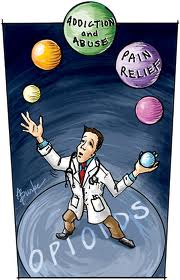
Narcotics/Opioids have been used since the beginning of recorded history. Opium is derived from a white liquid produced by the poppy plant, first cultivated in the Middle East and Asia. It was used therapeutically in ancient cultures to induce calm and to relieve pain, and recreationally to induce euphoric dream states. Today, physicians prescribe narcotics for pain relief. Whether plant derived (natural) or synthetic, narcotics are sometimes still referred to as opioids.

Narcotics  produce intense pleasure and general calmness:

  • Drowsiness, tranquilization, or sleep
  • Feeling of well-being
  • Pain relief (analgesia)
  • Temporary euphoria; a “high”

Addiction to opioids (e.g., heroin, morphine, prescription pain relievers) is a serious global problem that affects the health, social, and economic welfare of all societies. An estimated 12–21 million people worldwide abuse opioids, with 1.9 million people in the U.S. addicted to prescription opioid pain relievers in 2010 and 359,000 addicted to heroin. Consequences of this abuse have been devastating and are on the rise. For example, the number of unintentional overdose deaths from prescription pain relievers has soared in the U.S., quadrupling since 1999.

Opioids act on specific receptors in the brain and the body, which also interact with naturally produced substances known as endorphins or enkephalins – important in regulating pain. While prescription pain relievers can be highly beneficial if used as prescribed, opioids as a general class of drugs have a high potential for abuse.

Risk Factors for Abuse

Psychological and environmental risk factors for narcotic use include the following:

  • Antisocial and experimental attitudes (i.e., rebellious nature) during adolescence
  • Environmental factors
    • Family problems
    • Gang membership
    • Inner-city culture
    • Poverty
    • Wealth or disposable income
  • Family history of substance abuse and drug addiction
  • Low self-esteem

From a physician standpoint, it is very challenging to offer opioids to certain patients. I am constantly seeing patients who come to see me to get pain meds, but get disappointed when I decline their request. When a patient asks me to prescribe/refill pain meds, that is a ‘Red Flag’ right there. If they have a problem, severe enough, that they have to take narcotics, how come they do not complain of pain first. People who do complain of so called ‘severe pain’ do not have a significant evidence to prove their pain. The other ‘Red Flag’ is when patients tell me that no other medications including OTC Tylenol/ibuprofen or prescribed meds like tramadol  work. They always have excuses. Unfortunately, internet and social media have given them enough information to fool the system easily. They know what to tell  the healthcare providers to bypass the interrogation step.

It will be a surprising fact for most of us that Narcotics are not available in a lot of countries. Even if they are in some, they are reserved for post-operative  and cancer pain management. So, how come people in those countries survive that much pain level.

We provide certain resources in the society without weighing the importance and need for it. We automatically judge that the ‘Supply and Demand’. The US society is bombarded with addictive medications and the consequences are fatal and costly. No wonder, our healthcare system is totally shattered. We aim to spend billions of dollars over patient safety and clinical outcomes. But legally, no significant steps are taken to avoid people from selling those prescription drugs to the innocent teenagers who have a rocky life to face ahead.

I get threatened and confronted by a lot of patients when they desire narcotics without any hastle. But as soon as they realize that  I will be giving them a good fight, they understand the problems they are in. Counseling helps, but most of the times it is too late. Secondly we do not have adequate resources to help those people in need for care. Genuine patient’s want their pain to be managed well. they do not care what category medications they are being prescribed.

We see many physicians getting into trouble for overusing their power to prescribe narcotics. They do not realize the kind of society they are creating. A selfish thought to make money blinds them and they do not see the dangers involved.

Personally, I feel these medications should be only reserved for post-operative and cancer pain management. A few other scenarios can be added if the evidence of cause of pain is well established.

So, overall, I feel it is more painful to manage pain with narcotics, from both a patient’s and physician’s perspective. i hope we come up with better pain management drugs soon, to help the society.

Blocking Internet at Work: Is it Really Helpful?

In Health, Healthcare, Medicine, Uncategorized on May 23, 2012 at 2:44 pm

We are in the 21st century.  It is a century that has changed the way we work and function .  Some of us who have seen the previous era of doing things physically, they would know how different the world has become.  Internet is the most important innovation of human creation from my opinion.  I would not hesitate to say the Internet has become one of the basic necessities of life, like food, shelter and clothing .  It is a necessity for people with progressive philosophy.  Internet has changed the way we do things on a daily basis.  From paying utility bills to making a business successful, Internet has helped humankind significantly.  With the ease of internet, we can now save so much time on doing things.  Information is readily available.  So decision-making  times have reduced significantly.  We all have Internet access in some form through an Internet Service provider, either for home, cell phone or work.

Today I wanted to make a few pointers on ‘personal use of internet’  at work.  I may not be speaking for everyone reading this, but I will try to touch each corner of the issue.  Being a Doctor, I am faced with the challenges of human body on a daily basis.  Sometimes it is an easy fix and sometimes not.  From the moment I get up, I am constantly occupied by my work.  Constant learning and being up to date is a must for me.  Given the magnitude of work, people like me hardly have time to sit down and read a professional magazine to improve my knowledge on current topics.  Internet becomes very handy at those times. I can browse the information I need when I really need it.

Here is the problem. The offices and hospitals that I work for, block  most of the websites including access to  email,medical websites, social networking, youtube etc.

Let’s say a patient, Mr. Smith,  comes to me with complaints of headaches and we diagnose  him with an aneurysm in brain , the next challenge is to know the latest treatment of brain aneurysm as medicine is  changing very fast.  So I have no way to get access to the latest information which puts Mr. Smith and myself at risk of  delayed treatment due to lack of information .  You may say that is not a personal use, but my profession is personal to me.  Let us say you do not want to buy it.

Personal use includes the email, web browsing, shopping, vacation planning etc..  I agree with the fact that many people indulge in misuse of Internet including pornography which puts a bigger risk of  ‘Loss of Productivity’ and  system crash at work. I agree that control is a must.  I agree that access to social networking ,youtube and similar websites should be limited as they may reduce work efficiency.

We all have doors and windows at home which we lock every night before going to bed and when we go out. Why do we do that? To make sure that bad people do not have access to our privacy and belongings. But do we not open the doors when we have to go out and do the work in the real world. Then, why do we  have to lock the access to world-wide web completely and not open it when required.  I want you to ask yourself the question today , is it OK to punish all when the culprit are only a few.  Can we not develop better mechanisms to track of what people browse over the Internet so as to punish the culprits?  I’m sure that  people who are honest browsers of Internet would not be scared of any tracking.

So what if I have to plan a vacation when I have some free time .  So what if I pay my utility bills while I’m at work.  So what if I go buy gifts online for my parents for coming Christmas.  It will only boost my morale and reduce stress in my daily life as I know, that ‘I have taken care of things that I need to’.  Being unable to use Internet is a stress factor for most of us because we cannot take care of certain things without it. Reducing stress would only reduce the potential to get any disease and improve our work efficiency because we will be satisfied.  The few questions I would like you to ask yourself are:

‘Do you not need Internet to progress in life and get more peace of mind”

‘Is it unjustified to take a few moments in day between work to take care of things as long as you are taking care of work in time’

‘Is Internet not a blessing?’

The staff attitude changes by liberalizing some things at work. “It is better to have 80% staff with good attitude rather than having 100% with a bad one.”

INTRODUCTION TO HEALTHY AND HAPPY LIFE

In Health, Healthcare, Medicine on May 22, 2012 at 11:06 pm

Not long ago was a day when I was practicing medicine in the rural part of India. And now I see myself struggling with issues in rural part of America. There is a small similarity, and a
huge difference. Although both are considered ‘rural’, which of course is a verbal similarity,the problems are completely different. The horizon has changed tremendously from
malnutrition, and infectious diseases, to hypertension, high cholesterol, and obesity. For people in rural India, these are considered as ‘Rich Man’s diseases’.
I started of my career in India after finishing my medical school in a small town. Working at the grass-root level with no tertiary care tools was not only challenging, but also an
experience to be on the other side and realize how lucky we are to be in 21st century with so much technology. It is an eye opener for every physician who works in rural conditions
because you come across situations where you find ‘primitive’ ways of doing things, where you are supposed to act as ‘Jack of all trades’.
After an year of rural medicine, I thought to be progressive and moved myself to more urban style medicine which was a big change all of a sudden. Things were more streamlined
and work was more delegated as compared to rural medicine. I nurtured my medical abilities in Urban Medicine and gradually got into this notion of extending my horizon to different corner of the world, United States of America. America is known to be a country of opportunities and I found one for myself in Baltimore, Maryland. I started over as a medical resident in Internal Medicine, and it was not too long when I realized that I am totally used to so called ‘Advanced Medicine’. In my 2nd year of medical residency, I thought of re-nurturing  my interest in Rural Medicine and was fortunate to find one.
Since then, I am working in this part of the world which is very rewarding and satisfying. As part of American medicine now, I thought of addressing some issues, which I come across on a daily basis.
Who is the target population? ‘Everyone, including me’. Because before being a doctor, I am a common man with the same kind of problems as everyone else struggles on a day to day basis. So, I will be learning with you all and try to simplify some complicated health related issues, to relieve the stress of how to take care of ourselves. The goal is to understand that the change begins from within. Nobody has the capacity to change you for the better, but
yourself. Things don’t get better just by thinking about them, action is what is required to make the change happen.
For most of us, happiness means lots of money, a high-powered job, a picture-perfect family, a big extravagant home and a beautiful body. But by the end of the day what matters is satisfaction with whatever is going on in your life. People ask what happiness is? It is nothing but ‘satisfaction’. Just take a minute and try to remember some moments in your life when you were very happy. They were nothing but the times you were satisfied which could be anything like good scores in class, driving your dad’s car for the first time, finishing the long awaited project at work, giving a hand to the old lady with her grocery bags, etc. Believe it or not,but inner happiness plays a great role in your health. It’s the food for good health. You cannot be healthy just by working out for 1 hour in a gym everyday, taking the most expensive dietary supplements in the market and getting 8 hours of sleep. You have to achieve your mental and social goals also.

According to WHO, health is a state of complete physical, mental and social well-being and not merely the absence of
disease or infirmity. Remember when you had a toothache, the flu, or a migraine. Remember the relief you felt
when you first started to feel better? Until we are sick, we rarely appreciate how good it feels to feel well. Be glad you are well. Everyone knows that healthy mind lives in a healthy body. So lets work together on some health related practices that will help us achieve our physical goals, inner peace, and comfort. I need your help to help you get towards those goals.

Healthcare in US: When is it going to be Cost Effective?

In Health, Healthcare, Medicine on May 20, 2012 at 11:04 pm

It is important as a healthcare consumer to understand the history of the healthcare delivery system, how it operates today, who participates in the system, what legal and ethical issues arise as a result of the system, and what problems continue to plague the healthcare system.  We are all consumers of healthcare.  Yet, in many instances, we are ignorant of what we are actually purchasing.  If we were going to spend $1000 on an appliance or flat screen television, many of us would research the product to determine if what we are purchasing is the best product for us.  The same state should be applied to purchasing healthcare services.

As the United States resumes debate over options for achieving universal health coverage, policymakers are once again examining insurance systems in other industrialized countries. More recent attention has focused on countries that combine universal coverage with private insurance and regulated market competition.

A Basic Screenshot of what US healthcare is Comprised of

Medicare: Medicare is a social insurance program for the elderly, some of the disabled under age 65, and those with end-stage renal disease. Administered by the federal government, the program is financed through a combination of payroll taxes, premiums, and federal general revenues.

Medicaid: Medicaid is a joint federal-state health insurance program covering certain groups of the poor. Medicaid is administered by the states, which operate within broad federal guidelines. States receive matching funds from the federal government, varying among states from 50 percent to 76 percent of their Medicaid expenditures.

Private insurance: More than 1,200 not-for-profit and for-profit health insurance companies provide private insurance. They are regulated by state insurance commissioners. Private health insurance can be purchased by individuals, or it can be funded by voluntary premium contributions shared by employers and employees on an employer-specific basis, sometimes varying by type of employee. Employer coverage is the predominant form of health insurance coverage. Some individuals are covered by both public and private insurance.

Out-of-pocket spending: Out-of-pocket payments, including both cost-sharing insurance arrangements and expenditure paid directly by private households, accounted for 12 percent of total national health expenditures in 2007, which amounted to US$890 per capita.

Based on the fragmented development of US health care, the system is based on individualism and self-determination and focusing on the individual rather than collectivistic needs of the population. For example, there are over 20 million citizens who have type 2 diabetes, a chronic and serious disease that impacts how your body breaks down food to obtain energy. This chronic disease has severe complications if not treated appropriately. Unless something is done to prevent this insidious disease, there will be 35 million heart attacks, 13 million strokes, 8 million instances of blindness, 2 million amputations, and 62 million deaths over the next 30 years.

Both private and public participants in the US health delivery system need to increase their collaboration to reduce these disease rates. Leaders need to continue to assess our healthcare system using the Iron Triangle to ensure there is a balance between access, cost, and quality.

Although the Health Care Reform intends to take away the flaws the current system is infested with, the journey is going to be long and tough. But it will  definitely lead to a better outcome as compared to current situation.

Patient Centered Medical Home: Patients equally responsible as Providers

In Health, Healthcare, Medicine on May 19, 2012 at 8:15 pm

 WHAT EXACTLY IS A PATIENT CENTERED MEDICAL HOME?

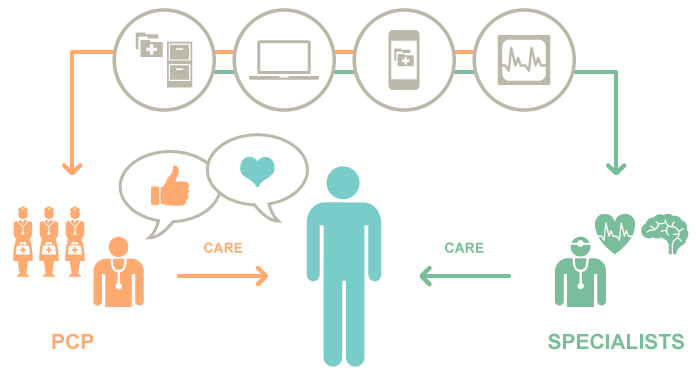
The patient‐centered medical home is a model for care provided by physician practices that seeks to strengthen the physician‐patient relationship by replacing episodic care based on illnesses and patient complaints with coordinated care and a long‐term healing relationship. Each patient has an ongoing relationship with a personal physician who leads a team that takes collective responsibility for patient care. The physician‐led care team is responsible for providing all the patient’s health care needs and, when needed, arranges for appropriate care with other qualified physicians. A medical home also emphasizes enhanced care through open scheduling, expanded hours and communication between patients, physicians and staff.

Based on emerging research, the medical home model has the potential to improve health outcomes and reduce overall costs. One way to fix the problem of spiraling health care costs is to try to change the health care system. It isn’t easy. It means completely changing the way everyone does business. But we can’t keep doing what we’re doing because things will just keep getting worse.

The problem is the way the health care system pays for care. It’s called a fee-for-service business model, and it hasn’t changed much since the start of modern health care. Under this model, doctors, hospitals, and other providers are paid for every service they provide – every visit, every test, and procedure they do – whether or not these things improve our health. It’s based on quantity instead of quality.

It can lead to unneeded tests, screenings, and other expensive care that adds to health care costs each year, without making people healthier and, in some cases, making them even less healthy. And it often results in doctors not having enough time to give the care they want to give. According to a recent study, a primary care provider (PCP) would need more than 22 hours a day to finish all of the work expected of them, whether giving care or doing paperwork.

To try to fix this system, insurers, hospitals, doctors, the government, and professional and trade groups are working together to change the way health care works. The major part of that effort is moving from the fee-for-service model to a new patient-centered medical home model. It’s kind of a weird name, but if you think about what it’s trying to do, it makes sense.

A patient-centered medical home, or PCMH, is not a physical building. It’s a way to care for patients so that you feel “at home” with your care. PCMH changes the emphasis from quantity to quality, helping everyone be healthier and reduce the need for costly care.

It’s been proven that when people have a long history with their PCP, they are healthier and have lower health care costs. Kind of makes sense, right? The better your doctor knows you and is aware of factors that might affect your health, such as stress, the more likely it is that diseases can be prevented or caught early, when treating them costs less and before they cause big problems. And as a bonus, when you have a good relationship with your doctor, you’re usually better informed about your health and lead a healthier lifestyle. It’s easier for a doctor who knows you well to effectively nag you!

A key goal of PCMH is to improve the relationship between you and your doctor. A big part of that is giving doctors the time they need to give that familiar level of care. So PCMH helps PCPs change their practices. They are put in charge of teams of providers customized to meet your unique health needs – so if you have a chronic condition, health care “extenders” with expertise in treating your condition could be on your team. The team may also include staff members and health and wellness organizations that offer education, screenings, and other support.

The PCMH system supports these teams with information and a new way to pay for care. Using the latest technology, like electronic health records, makes the team more efficient and improves communication. New detailed reports of patient histories help the team identify patients who need screenings, follow-up visits, and immunizations. That means your doctor and your whole team will have more information to better help you. It will also increase the coordination between different providers on your team. And instead of getting paid for every service they provide, providers are rewarded for making sure you get the right care you need when you need it. It’s about paying for quality.

HMSA members who have a primary care provider and a patient-centered medical home get recommended health screenings and immunizations at a higher rate than those without a PCP and PCMH.

But it’s not all up to the team. As the name implies, PCMH puts you at the center of your care, encouraging you to take an active role in improving and maintaining your health. After all, a team of doctors can only make recommendations. You are the only one who can make yourself exercise, eat right, get your recommended screenings and tests, take your medications as prescribed, and do what you need to do to manage any chronic conditions you have.

Mobile Communications: A Blessing to Healthcare

In Uncategorized on May 19, 2012 at 4:46 pm

Why should healthcare facilities invest in this Mobile Communications?

  • Worker accessibility is critical in the hospital environment. Nurses, doctors, technicians, maintenance and transport staff must be able to instantly reach and be reached by colleagues.
  • Outdated paging systems and multiple communication devices cause misunderstanding and reduce productivity in hospitals.
  • Hospitals have emergencies everyday, and being prepared for emergency situations is of the upmost importance. Having a mobile communication device that alarms staff members of an emergency allows them to prepare in advance. Being prepared in advance increases productivity by improving response time and eliminating wasted time on false alarms.
  • Having the capability to search, create, and manage information in your hand helps physicians drastically improve decision-making.

It is clear that the potential for mobile communication to transform healthcare and clinical intervention in the community is tremendous. Several previous studies have evaluated the use of mobile phones to support healthcare and public health interventions, notably in the

1. Collection and collation of data for healthcare research

2. Support of medical and healthcare education and clinical practice in the community

3. Support telemedicine and remote healthcare in developing nations, with examples including their use in off-site medical diagnosis and as information support in the treatment of HIV care in difficult to reach rural areas.

4. The use of short message service (SMS) text in the management of behavior change.

5. In sexual health education.

6. Improve patients’ adherence to antiretroviral treatment

7. Controlled drug trials.

8. GPS (Global Positioning System) and location-enabled smartphones offer many additional application opportunities that can further assist the independent living of persons with disabilities and/or multiple chronic conditions, as well as in epidemiology/public health surveillance and community data collection.

Use of this new technology impact existing workflows

a. Increase productivity and efficiency in the healthcare environment

b. Help ensure that mobile workers are instantly available and accessible when needed

c. Increase available time for direct patient care

d. Enables immediate decisions at point of care

e. Enhances patient care.

Obstacles involved with using this technology in healthcare?

Cell phones are not a viable solution to the hospital communication challenge, as their usage is prohibited in certain areas of the hospital. Additionally, construction materials used in parts of the building can reduce or block coverage altogether. As a result, hospitals have typically relied on overhead paging to reach mobile employees and disseminate urgent messages. However, overhead paging can disrupt the healthcare environment — often disturbing patients as they try to sleep, rest or relax. And the public nature of overhead paging does not provide the level of discretion required by law for some messages, causing the recipient to take additional steps to learn the pertinent and sensitive details.

Communication inefficiencies can have a profound impact in the healthcare environment. For doctors, nurses and technicians, additional time spent on administrative tasks and tracking down colleagues directly translates into less time available to care for patients. According to a recent study, the average nurse spends only about 31 percent of his or her time in direct patient care.1 And with the current nursing shortage across the U.S., inefficiencies in working processes can further stress the system and erode quality of care.

  • Misinformation regarding mobile wireless systems, electromagnetic interference and management procedures has led to a broad range of inconsistent policies among healthcare organizations.
  • Overly-restrictive policies may act as obstacles to beneficial technology and may not address the growing need for personal communication of patients, visitors and the workforce. At the other extreme, unmanaged use of mobile communications can place patients at risk.
  • It may not be feasible for healthcare organizations to manage every mobile wireless handset that is randomly brought into their facility without certain restrictive limits.
  • Security: Transmission of sensible data over the air, Cryptography, Virtual Private Networks

Wireless devices increase adoption of electronic health records (EHR)

Ease of accessing patient records, security and privacy controls for electronic information, and the ability to share patient information across geographies and affiliations or a 360-degree view of the patient are some of the key factors that increase adoption of wireless devices for HER.. Electronic transfer of information can enable physician offices, laboratories, radiology practices, and hospitals to securely access and transfer patient information. Adopting these new systems and integrating them into practice workflows can improve patient safety and efficiency of care, reduce duplicate tests, enhance quality of care and health promotion, and save thousands of lives.