Let us Learn about Health and Healthcare

Archive for August, 2012|Monthly archive page

Active at Any Size Day 5: What can I do?

In Health, Healthcare, Medicine on August 5, 2012 at 8:02 am

Dancing (Weight Bearing or Nonweight Bearing)


Dancing may help:

◆Tone your muscles.

◆Improve your flexibility.

◆Make your heart stronger.

◆Make your lungs work better.

You can dance in a health club, in a nightclub, or at home. To dance at home, just move your body to some lively music!

Dancing on your feet is a weight-bearing activity. Dancing while seated is a nonweight-bearing activity. Sometimes called chair dancing, this activity lets you move your arms and legs to music while taking the weight off your feet. This may be a good choice if you cannot stand on your feet for a long time.


Active at Any Size Day 4: What can I do?

In Health, Healthcare, Medicine on August 4, 2012 at 8:00 am


What physical activities can a very large person do?

MOST very large people can do some or all of the physical activities in this booklet. You do not need special skills or a lot of equipment. You can do:

◆Weight-bearing activities, like walking and climbing stairs, which involve lifting or pushing your own body weight.

◆Nonweight-bearing activities, like swimming and water workouts, which put less stress on your joints because you do not have to lift or push your own weight. If your feet or joints hurt when you stand, nonweight-bearing activities may be best for you.

◆Lifestyle activities, like gardening or washing the car, which are great ways to get moving. Lifestyle activities do not have to be planned out ahead of time.

Remember that physical activity does not have to be hard or boring to be good for you. Anything that gets you moving around— even for only a few minutes a day—is a healthy start to getting more fit.

Walking (Weight Bearing)

Walking may help you:

◆Improve your fitness.

◆Increase the number of calories your body uses.

◆Increase your energy levels.

Tips for Walking

◆Try to walk 5 minutes a day for the first week. Walk 8 minutes the next week. Stay at 8-minute walks until you feel comfortable. Then increase your walks to 11 minutes. Slowly lengthen each walk, or try walking faster.

◆Gradually increase your walks to give your heart and lungs— as well as your leg muscles—a good workout.

◆Wear comfortable walking shoes with a lot of support. If you walk frequently, you may need to buy new shoes often. You may wish to speak with a podiatrist about when you need to purchase new walking shoes.

◆Wear garments that prevent inner-thigh chafing, such as tights or spandex shorts.

◆Make walking fun. Walk with a friend or pet. Walk in places you enjoy, like a park or shopping mall.


Active at Any Size Day 3: Get Started

In Health, Healthcare, Medicine on August 3, 2012 at 8:00 am


How do I get started?

◆Start slowly. Your body needs time to get used to your new activity.

◆Warm up. Warm-ups get your body ready for action. Shrug your shoulders, tap your toes, swing your arms, or march in place. Walk more slowly for the first few minutes.

◆Cool down. Slow down little by little. If you have been walking fast, walk slowly for a few minutes to cool down. Cooling down may protect your heart, relax your muscles, and keep you from getting hurt.

Appreciate yourself!

If you cannot do an activity, do not be hard on yourself. Feel good about what you can do. Be proud of pushing yourself up out of a chair or walking a short distance.

Pat yourself on the back for trying even if you cannot do it the first time. It may be easier the next time!

How do I continue to be active?

TO maintain your active lifestyle, try these suggestions:

◆Pledge to be active. Making a commitment to yourself to be active may help you stay motivated, stay on track, and reach your goals. Consider using the activity pledge at the end of this booklet to help you start and continue to be active.

◆Set goals. Set short-term and long-term goals. A short-term goal may be to walk 5 to 10 minutes, 5 days a week. It may not seem like a lot, but any activity is better than none. A long-term goal may be to do at least 30 minutes of physical activity at a moderate-intensity level (one that makes you breathe harder but does not overwork or overheat you) on most days of the week. You can break up your physical activity in shorter segments of 10 minutes or more.

◆Set rewards. Whether your goal was to be active for 15 minutes a day, to walk farther than you did last week, or simply to stay positive, you deserve recognition for your efforts. Some ideas for rewards include a new CD to motivate you, new walking shoes, or a new outfit.

◆Get support. Get a family member or friend to be physically active with you. It may be more fun, and your buddy can cheer you on and help you stick with it.

◆Track progress. Keep a journal of your physical activity. You may not feel like you are making progress but when you look back at where you started, you may be pleasantly surprised! You can make copies of the blank journal at the end of this booklet to keep track of your efforts.

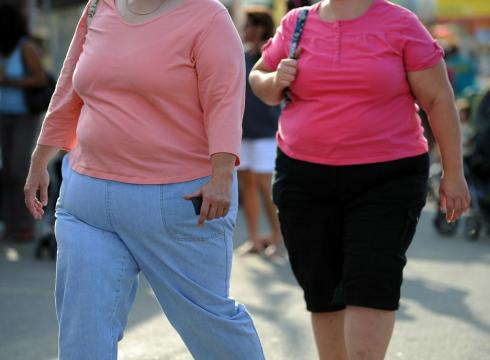
 

Active at Any Size Day 2: Barriers to being active

In Health, Healthcare, Medicine on August 2, 2012 at 8:00 am


How do I get started?

TO start being more active, try these tips:

◆Think about your barriers to being active. Then try to come up with creative ways to solve them. The following examples may help you overcome barriers.

1. Barrier: I don’t have enough time!

Solution: Be active for a few minutes at a time throughout the day. Sit less. Try to walk more while doing your errands, or schedule lunchtime workouts to boost your overall activity. Plan ahead and be creative!

2. Barrier: I feel self-conscious when I’m active.

Solution: Be active at home while doing household chores, and find ways to move more during your day-to-day activities. Try walking with a group of friends with whom you feel comfortable.

3. Barrier: I’m worried about my health or injury.

Solution: You might feel better if you talk to a health care professional first. Find a fitness provider to guide you, or sign up for a class so you feel safe. Remember that activity does not have to be difficult! Gentle activity is good too.

4. Barrier: I just don’t like exercise.

Solution: Good news—you do not have to run or do push-ups to get the benefits of being physically active. Try dancing to the radio, walking outdoors, or being active with friends to spice things up.

5. Barrier: I can’t stay motivated!

Solution: Try to add variety to your activities and ask your friends to help you stay focused on being active. Consider an activity video for extra encouragement. Also, set realistic goals, track your progress, and be sure to celebrate your achievements!


Active at Any Size Day 1: Healthy, fit bodies come in all sizes

In Health, Healthcare, Medicine on August 1, 2012 at 8:00 am


Active at Any Size

Healthy, fit bodies come in all sizes. Whatever your size or shape, get physically active now and keep moving for a healthier you!

WOULD you like to be more physically active, but are not sure if you can do it?
Good news—if you are a very large person, you can be physically active—and you can have fun and feel good doing it.
THERE may be special challenges for very large people who are physically active. You may not be able to bend or move in the same way that other people can. It may be hard to find clothes and equipment for exercising. You may feel self-conscious being physically active around other people.
Facing these challenges is hard—but it can be done! The information in this booklet may help you start being more active and healthier—no matter what your size!

Over two-thirds of adults in the United States are overweight or obese, and over one-third are obese, according to data from the National Health and Nutrition Examination Survey (NHANES) .

Why should I be active?
BEING physically active may help you live longer and protect you from:
◆ type 2 diabetes
◆heart disease
◆ stroke
◆high blood pressure
If you have any of these health problems, being physically active may help improve your symptoms.

REGULAR physical activity helps you feel better
because it:
◆ Lowers your stress and boosts your mood.
◆ Increases your strength, movement, balance, and flexibility.
◆Helps control blood pressure and blood sugar.
◆Helps build healthy bones, muscles, and joints.
◆Helps your heart and lungs work better.
◆ Improves your self-esteem.
◆Boosts energy during the day and may aid in sleep at night.

How do I get started?

We will be posting new ways everyday for next few days on how to be more active even with extra weight on your body. See you tomorrow.