Let us Learn about Health and Healthcare

Posts Tagged ‘Conditions and Diseases’

‘Doctors do not Sign Up for Sainthood’

In Health, Healthcare, Medicine on June 7, 2012 at 8:00 am

Each society in this world has many ‘Bad Fish’ which make it all dirty looking. We just blame the whole water to be dirty instead of getting rid of the bad fish. ‘Doctors don’t sign up for sainthood.’ But the general public seems to knows better about doctors. When people make derogatory comments on the medical profession and healthcare, they only highlight the presence of unacceptably high numbers among them some who deserve such criticism.

To err is human and problems exists in all professions. But since medicine concerns a person’s health, drawbacks and failures of doctors are over-projected. Doctors may be hindered by: hospital owners who make heavy investments and encourage them to ensure maximum revenue; inefficient staff in laboratories and radiological centers; pharmacies which dispense incorrect, spurious or stale medicines; pathological and radiological centers which corrupt them with lures of incentives for referring patients to them; and the failure of patients or their attendants to follow their advice.

While we should take note of all these points before passing a judgment on doctors, we have a right to expect them to abide by the solemn oath they take before they enter the medical profession.

Corruption and malpractice are common in all professions. I don’t understand why a particular profession should come under the scanner. I agree though that present-day doctors do not have the same degree of dedication as old-timers. When education becomes a business to make money, we cannot expect to have true saints.

When doctors get attached to money, the noble quality of their work suffers. So does the effect of their medicine and treatment. History has seen a number of doctors who worked purely to alleviate the sufferings of the sick, not to accumulate wealth. They were concerned about our health rather than their wealth.

We should have a social responsibility to get together to fight the wrong-doings wherever it may be. Sometimes you have to play part of a doctor to cure these social diseases. But do not blame all doctors to be making money by corrupting the system. Most of them just want to help you and make a living as everybody else.

Facts about Fats

In Health, Healthcare, Medicine on June 5, 2012 at 8:00 am

“Did you see how much cholesterol this coconut milk has?”, my wife asked me while walking down the aisle for Asian food one day. She is one paranoid personality when it comes to cholesterol in food items. At times she starts an argument about saturated and unsaturated fats although she has no clue as to what they are. And then comes the challenging part to
explain her the dynamics of cholesterol. But I enjoy those discussions as I learn a lot with the curiosity of hers.
Cholesterol is a part of lipids which is the scientific term for fats in the blood. At adequate
levels, lipids perform important cellular functions in your body, but can cause health problems if they are present in excess.
Concerning lipids are mainly cholesterol and triglycerides.
Hyperlipidemia, along with diabetes, hypertension (high blood pressure), positive family history, and smoking are all major risk factors for coronary heart disease.
Who gets it? obese, smokers,and those who don’t like to get up and exercise. Medical  conditions that cause   hyperlipidemia include diseases like diabetes, kidney disease,pregnancy and underactive thyroid gland. You can also inherit hyperlipidemia. The cause may be genetic if you have a normal body weight and other members of your family
have hyperlipidemia. You have a greater chance of developing hyperlipidemia if you are a man older than age 45
or a woman older than age 55. If a close relative had early heart disease (father or brother affected before age 55, mother or sister affected before age 65), you also have an increased risk.
Symptoms: None. You would never know it until you get adverse effects because of that. So why do I care? You better care about this because you could be the one getting a heart attack or a stroke before even knowing whats happening. Hyperlipidemia causes atherosclerosis which is hardening of the blood vessels, thereby compromising blood supply
to major organs like heart and brain.
So how do I know if I have high lipids? Blood test. The National Cholesterol Education Program recommends that people get this test every 5 years after age 20. Your blood test will show your physician the levels of different lipids in your blood which will help him decide how aggressively you need to be treated. Most blood tests measure levels of LDL (bad cholesterol) cholesterol, HDL (good cholesterol), total cholesterol (LDL plus HDL), and triglycerides. Current national guidelines suggest a LDL cholesterol goal of <100 mg/dl for individuals already with heart disease or
diabetes, <130 mg/dl for those with moderate risk of heart disease, and <160 mg/dl for everyone else. Your doctor can calculate your risk score for heart disease. This score can then be used to determine whether you need to start taking medications to lower your LDL cholesterol.
Although there are no firm treatment targets for HDL cholesterol or triglycerides, most experts agree that optimal HDL cholesterol and triglyceride levels are >40 mg/dl and <200 mg/dl, respectively.
What’s the treatment? Lifestyle modifications is the most important step to lower the lipid levels. I know some people don’t like to do it, but you need to get up and do some exercise. When it comes to eating right and exercising, there is no “I’ll start tomorrow.” Tomorrow is disease. Change your dietary habits. You should replace foods high in
saturated fats(the majority come mainly from animal sources, including meat and dairy products) with foods high in monounsaturated and/or polyunsaturated fats(vegetable oil, fish, nuts, legumes, etc). A humorous patient once said to me, “They claim red meat is bad for you. But I never saw a sick-looking tiger.” I wish I had an answer to his argument.
Stop smoking. Smoking can lower HDL, narrow your blood vessels, and injure your blood vessel walls. All of these effects can speed hardening of the arteries.Try to lose some weight. Therapeutic lifestyle changes can lower total cholesterol by 10 to 20 percent in some people. More commonly, however, people with hyperlipidemia experience a 2 to 6 percent reduction from TLC. If TLC doesn’t help, its time to start some medication which your doctor will decide for you. Lipid-lowering medications include Statin drugs (which prevent your liver from manufacturing cholesterol), Bile acid sequestrants, (which prevent your body from reabsorbing the cholesterol in bile. Bile is a liquid secreted into your small
intestine that helps you digest dietary fats), Fibrates and Niacin.
So, its never too late. Lets work on it. Remember, the best six doctors anywhere are sunshine, water, rest, air, exercise and diet.

Doctor’s Story: Not much Glory

In Health, Healthcare, Medicine on June 3, 2012 at 9:35 am

Sleepless Nights,Big Bright lights,
I made books and blood my friends,
Had to know all the current trends.
I cried a lot,I suffered a lot,
Throughout the journey, I did not leave the plot.
Serving is my mission,Care is my vision.
Even with the pain, medicine is my passion.
I stayed far from my family, did not get all the love,
I touched the disease many times without the glove.
I may seem to be making money,
But do not forget that I have to leave my honey.
I get up early and sleep very late,
Just to make sure that I change your fate.
I hold your hands when you need,
Forgetting at times that I need to feed.
I love what I do,
But still fear the ‘Sue’.
I am the one,
On the run.
Never Tired,
Always Hired.
When I get calls
For somebody who falls
I get up to make you stand
Always greet you by shaking hands,
I may fly wavy like a helicopter,
Believe it or not, I am your Doctor.

DOCTORS GO THROUGH A LOT TO MAKE YOU FEEL BETTER.
SO, APPRECIATE THEIR WORK !

Autoimmune Diseases: Stop Self Destruction !!

In Health, Healthcare, Medicine on June 1, 2012 at 7:00 am

Have you been wondering why and how do people in 21st century get bombarded with diseases that  were never heard of ? People still don’t know majority of the very common diseases in the current world. Everyone knows Hypertension (High BP), Diabetes, Cancer, Heart attacks and few more. But you will be surprised to know the toll some of the Autoimmune diseases take.

Autoimmune disorders arise from an inappropriate immune response of the body against substances and tissues normally present in the body. In other words, the immune system mistakes some part of the body as a pathogen and attacks its own cells. This may be restricted to certain organs (e.g. in autoimmune thyroiditis) or involve a particular tissue in different places (e.g. Goodpasture’s disease which may affect the basement membrane in both the lung and the kidney).

FURIOUS FACTS ABOUT AUTOIMMUNE DISEASES


• The National Institutes of Health (NIH estimates up to 23.5 million Americans suffer from autoimmune disease and that the prevalence is rising. In comparison, cancer affects up to 9 million and heart disease up to 22 million.
• Researchers have identified 80-100 different autoimmune diseases and suspect at least 40 additional diseases of having an autoimmune basis. These diseases are chronic and can be life-threatening.
• Autoimmune disease is one of the top 10 leading causes of death in female children and women in all age groups up to 64 years. of age.
• A close genetic relationship exists among autoimmune disease, explaining clustering in individuals and families as well as a common pathway of disease.
• Symptoms cross many specialties and can affect all body organs.
• Medical education provides minimal learning about autoimmune disease.
• Specialists are generally unaware of interrelationships among the different autoimmune diseases or advances in treatment outside their own specialty area.
• Initial symptoms are often intermittent and unspecific until the disease becomes acute.
• According to the Department of Health and Human Services’ Office of Women’s Health, autoimmune disease and disorders ranked #1 in a top ten list of most popular health topics requested by callers to the National Women’s Health Information Center.

Examples of Autoimmune or Autoimmune Related Diseases

  • Acute disseminated encephalomyelitis (ADEM). A form of encephalitis caused by an autoimmune reaction and typically occurring a few days or weeks after a viral infection or a vaccination.
  • Addison’s disease. A disease often caused by autoimmune destruction of the adrenal cortex.
  • Ankylosing spondylitis. A chronic, painful, progressive inflammatory arthritis primarily affecting spine and sacroiliac joints, causing eventual fusion of the spine.
  • Antiphospholipid antibody syndrome (APS). A disease that causes blood clots to form in veins and/or arteries.
  • Aplastic anemia. A disease caused by an autoimmune attack on the bone marrow.
  • Autoimmune hepatitis. A disorder wherein the liver is the target of the body’s own immune system.
  • Autoimmune Oophoritis.  A disorder in which the immune system attacks the female reproductive organs.
  • Celiac disease – sprue. A disease characterized by chronic inflammation of the proximal portion of the small intestine caused by exposure to certain dietary gluten proteins.
  • Crohn’s disease. A form of inflammatory bowel disease characterized by chronic inflammation of the intestinal tract causing abdominal pain and diarrhea. There is also a theory that Crohn’s Disease is an infectious disease caused by Mycobacterium avium paratuberculosis.
  • Diabetes mellitus type 1. A disorder  that is characterized by a deficiency or absence of insulin production (Type I). It is often the consequence of an autoimmune attack on the insulin-producing beta cells in the islets of Langerhans of the pancreas.
  • Gestational pemphigoid. A pregnancy-related blistering condition where auto antibodies attack the skin.
  • Goodpasture’s syndrome. A disease characterized by rapid destruction of the kidneys and hemorrhaging of the lungs through autoimmune reaction against an antigen found in both organs.
  • Graves’ disease. A disorder of the thyroid caused by anti-thyroid antibodies that stimulate the thyroid into overproduction of thyroid hormone. It is the most common form of hyperthyroidism.
  • Guillain-Barré syndrome (GBS). An acquired immune-mediated inflammatory disorder of the peripheral nervous system. Also referred to as:  acute idiopathic polyradiculoneuritis, acute idiopathic polyneuritis,  acute inflammatory demyelinating polyneuropathy, and Landry’s ascending paralysis.
  • Hashimoto’s disease. A condition characterized by initial inflammation of the thyroid, and, later, dysfunction and goiter. There are several characteristic antibodies (e.g., anti-thyroglobulin).  A common form of hypothyroidism,
  • Idiopathic thrombocytopenic purpura. An autoimmune disease where the body produces anti-platelet antibodies resulting in a low platelet count.
  • Kawasaki’s disease. A disorder caused by an autoimmune attack on the arteries around the heart.
  • Lupus erythematosus. A chronic (long-lasting) non organ specific autoimmune disease wherein the immune system becomes hyperactive and attacks normal tissue. This attack results in inflammation and brings about symptoms.
  • Mixed Connective Tissue Disease. A disorder that   has features of other connective tissues diseases — lupus,  polymyositis, rheumatoid arthritis, and scleroderma, diagnosed by the presence of  anti-body U1-RNP.
  • Multiple sclerosis. A disorder of the central nervous system (brain and spinal cord) characterized by decreased nerve function due to myelin loss and secondary axonal damage.
  • Myasthenia gravis. A disorder of neuromuscular transmission leading to fluctuating weakness and fatigue. Weakness is caused by circulating antibodies that block (antagonist) acetylcholine receptors at the neuromuscular junction.
  • Opsoclonus myoclonus syndrome (OMS).  A neurological disorder that appears to the result of an autoimmune attack on the nervous system. Symptoms include  ataxia, intention tremor, dysphasia, dysarthria,  myoclonus, mutism, hypotonia, opsoclonus, lethargy, irritability or malaise. About half of all OMS cases occur in association with neuroblastoma.
  • Optic neuritis. An inflammation of the optic nerve that may cause a complete or partial loss of vision.
  • Ord’s thyroiditis. Thyroiditis similar to Hashimoto’s disease, except that the thyroid is reduced in size.
  • Pemphigus. An autoimmune disorder that causes blistering and raw sores on skin and mucous membranes.
  • Pernicious anaemia. An autoimmune disorder characterized by anemia due to malabsorption of vitamin B12
  • Primary biliary cirrhosis. An autoimmune disease that affects the biliary epithelial cells (BECs) of the small bile duct in the liver. Although the cause is yet to be determined, most of the patients (>90%) appear to have auto-mitochondrial  anti-bodies (AMAs) against pyruvate dehydrogenase complex (PDC), an enzyme that is found in the mitochondria.
  • Rheumatoid arthritis. An autoimmune disorder that causes the body’s immune system to attack the bone joints.
  • Reiter’s syndrome. An autoimmune disease affecting various body systems in response to a bacterial infection and the body’s confusion over the HLA-B27 marker .
  • Sjögren’s syndrome. An autoimmune disorder in which immune cells attack and destroy the exocrine glands that produce tears and saliva.
  • Takayasu’s arteritis. An auto immune disorder that results in the narrowing of the lumen of arteries.
  • Temporal arteritis (also known as “giant cell arteritis”). An inflammation of blood vessels, most commonly the large and medium arteries of the head. Untreated, the disorder can lead to significant vision loss.
  • Warm autoimmune hemolytic anemia. A auto immune disorder characterized by IgM attack against red blood cells
  • Wegener’s granulomatosis . A form of vasculitis that affects the lungs, kidneys and other organs.

Have we ever tried to realize as to why has this been happening so much?

Humans have become a walking stress machines. What applies to us is ‘Garbage in, Garbage out’. We put in bad thoughts and it comes as bad actions. We hardly pay attention to our body. We have started believing in “Materialism’. We want to get what-ever we can in this lifetime. We keep accumulating stuff thinking we may need it some day. But unfortunately, the day never comes. But what comes is disease.

Most of the autoimmune diseases are caused by

  • Stress
  • Poor Lifestyle
  • Unhealthy eating habits
  • Lack of exercise
  • Chronic dehydration: Not drinking enough water
  • Hereditary factors
  • Female Gender: Females are more prone to Autoimmune diseases

An autoimmune disorder may result in:

  • The destruction of one or more types of body tissue
  • Abnormal growth of an organ
  • Changes in organ function

An autoimmune disorder may affect one or more organ or tissue types including:

  • Blood vessels
  • Connective tissues
  • Endocrine glands such as the thyroid or pancreas
  • Joints
  • Muscles
  • Red blood cells
  • Skin

Symptoms can be very weird ranging from

  • Fever
  • Weight loss
  • Fatigue
  • Headaches
  • Body aches, etc

Diagnostic Tests

Your doctor may order the test based on your symptoms. But a few  most common ones are

  • ESR
  • CRP
  • ANA
  • CBC
  • Specific Autoantibody tests

Treatment

Immunosuppression: Medications which decreases the immune response. But it is not that simple. Most of the Immunosuppressants bring a high risk of side effects which are sometimes really hard to deal with.

Being a believer in Naturopathy and Alternative Medicine also, I recommend Lifestyle Modification be the primary treatment to fight against these painful diseases. They will detoxify your body. Some of them are:

  • Daily exercise
  • Healthy Diet: Fruits and Veggies
  • Drinking plenty of water
  • Multivitamin daily
  • Acupressure and Reflexology
  • Yoga
  • Meditation
  • Relaxation exercises including deep breathing
  • Reducing Sugar intake

The above mentioned treatments are not an alternative to medical treatment. So, do contact your doctor for management if your symptoms are uncontrolled.

One should understand that the idea is to detoxify the body and bring harmony within your body. Stop chasing for things that do not matter down the road. We do not carry what we buy for ourselves with us all the time 24X7. What we carry is our physical body every moment of our life. So value it and do not neglect it.

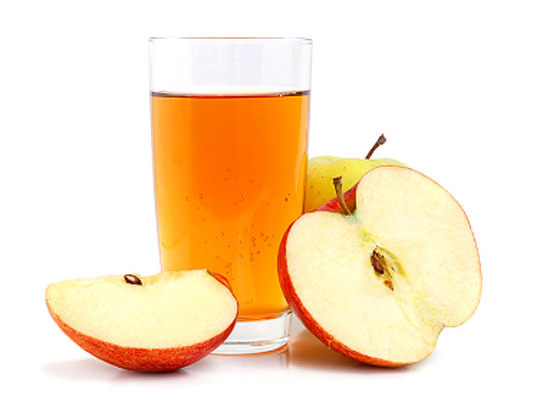
Apple Cider Vinegar: Unharnessed Wonder Drug

In Health, Healthcare, Medicine on May 28, 2012 at 8:00 am

An apple a day keeps the doctor away. I have a story to tell. As a first time home buyer, I was very excited to do things around the house to make it look like a dream home. I  had the layout of decor and painting which I started working on in Summer of 2009. Me and my wife had some colors and themes for all the walls in the house. We started painting. Many evenings and a few weekends later, our house was finally painted the way we wanted. It looked beautiful. But what was not beautiful was the shoulder pain that I started getting  on my right side. It’s good to be a doctor, but sometimes it is not. Doctors tend to neglect their symptoms sometimes. I kept on suffering for almost 6 months thinking that one fine day, I will wake up with my pain gone with the dreams. Unfortunately, it did not happen. It got worse to the point where it started affecting my daily life. It was time to get an MRI, which no surprisingly showed Bursitis(Inflammation of bursa, a small fluid-filled sac lined by synovial membrane with an inner capillary layer of slimy fluid, similar in consistency to that of a raw egg white. It provides a cushion between bones and tendons and/or muscles around a joint. This helps to reduce friction between the bones and allows free movement). Over next 1 year, I had 3 cortisone shots and months of physical therapy for my shoulder with no relief.  The only way left was surgery. Being into natural ways of healing, I started researching what could be the best non-surgical options. I came across Apple Cider Vinegar(ACV). Within few weeks of daily intake, my shoulder pain was almost gone.

I also had borderline Diabetes with sugars in 100-110 range. My sugars now run in 70’s range. Now ACV is a part of my life and I take it atleast twice daily everyday for good health.

Apple Cider Vinegar  is a very potent, natural bacteria-fighting agent that contains many vital minerals and trace elements such as potassium, calcium, magnesium, phosphorous, chlorine, sodium, sulfur, copper, iron, silicon and fluorine that are vital for a healthy body.

Natural Apple Cider Vinegar is made by crushing fresh, organically grown apples and allowing them to mature in wooden barrels. This boosts the natural fermentation qualities of the crushed apples, which differs from the refined and distilled vinegars found in supermarkets. When the vinegar is mature, it contains a dark, cloudy, web-like bacterial foam called mother, which becomes visible when the rich brownish liquid is held to the light. The mother can be used to add to other vinegar to hasten maturity for making more Apple Cider Vinegar. Natural vinegars that contain the mother have enzymes and minerals that other vinegars in grocery stores may not have due to over-processing, over-heating, and filtration. For this reason, it is recommended that you purchase only Natural Apple Cider Vinegar, with an ideal acidity (pH) level of 5 to 7.

Multiple clinical and experimental studies have shown the benefits of ACV in:

1. Weight loss: A study published in Bioscience, Biotechnology, and Biochemistry in 2009  found that obese people who consumed acetic acid daily for 12 weeks experienced significant decreases in body weight, abdominal fat, waist circumference, and triglycerides. In tests on mice, another 2009 study (published in the Journal of Agricultural and Food Chemistry) found that acetic acid may help prevent the buildup of body fat and certain liver fats.

2. Diabetes: In a 2007 study published in Diabetes Care, researchers found that type 2 diabetes patients who consumed two tablespoons of apple cider vinegar at bedtime showed favorable changes in blood sugar levels the following morning.

3. Joint pains(arthritis, bursitis, tendonitis)

4. Chronic fatigue

5. Detoxification

6.  Skin Health (Acne, cellulite, yeast infection)

7. Gastrointestinal problems (heartburn, upset stomach, bloating, constipation, diarrhea, IBS)

8. High Blood Pressure

9. Reduction of Bad Cholesterol

ACV should be taken in a natural form like ‘Bragg Organic Raw Apple Cider Vinegar‘ (which I use), 2 TSP in a glass of water 2-3 times daily with meals. Make sure to rinse your mouth with water after each intake to avoid enamel damage.

Who should avoid? People with low potassium and osteoporosis. Avoid pill forms as it may damage esophagus sometimes. Apple cider vinegar may interact with certain drugs such as digoxin (heart medication), diuretics like lasix (furosemide), prescription laxatives and insulin.

Consult with your doctor before you start taking any of those medications to make sure it will not interact with any of your prescription medications.

It turned out to be a wonder drug for me. You should also try it. ACV is a ‘One Stop for all the most common Medical Issues.’