Let us Learn about Health and Healthcare

Posts Tagged ‘health’

Vitamin D : Get Levels Checked Soon

In Health, Healthcare, Medicine on September 24, 2012 at 8:00 am

WHY WORRY ABOUT LOW VITAMIN D LEVELS?

The normal range is 30.0 to 74.0 nanograms per milliliter (ng/mL).

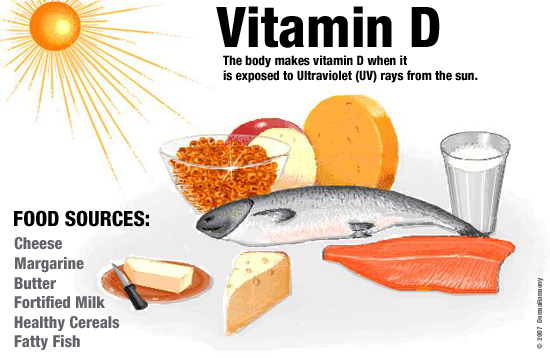
Vitamin D is a fat-soluble vitamin that is naturally present in very few foods, added to others, and available as a dietary supplement. It is also produced endogenously when ultraviolet rays from sunlight strike the skin and trigger vitamin D synthesis. Vitamin D obtained from sun exposure, food, and supplements is biologically inert and must undergo two hydroxylations in the body for activation. The first occurs in the liver and converts vitamin D to 25-hydroxyvitamin D [25(OH)D], also known as calcidiol. The second occurs primarily in the kidney and forms the physiologically active 1,25-dihydroxyvitamin D [1,25(OH)2D], also known as calcitriol

Lower than normal levels suggest a vitamin D deficiency. This condition can result from:

  • Lack of exposure to sunlight
  • Lack of adequate vitamin D in the diet
  • Liver and kidney diseases
  • Malabsorption
  • Use of certain medicines, including phenytoin, phenobarbital, and rifampin
Recommended Dietary Allowances (RDAs) for Vitamin D 
Age Male Female Pregnancy Lactation
0–12 months* 400 IU
(10 mcg)
400 IU
(10 mcg)
1–13 years 600 IU
(15 mcg)
600 IU
(15 mcg)
14–18 years 600 IU
(15 mcg)
600 IU
(15 mcg)
600 IU
(15 mcg)
600 IU
(15 mcg)
19–50 years 600 IU
(15 mcg)
600 IU
(15 mcg)
600 IU
(15 mcg)
600 IU
(15 mcg)
51–70 years 600 IU
(15 mcg)
600 IU
(15 mcg)
>70 years 800 IU
(20 mcg)
800 IU
(20 mcg)

* Adequate Intake (AI)

Immunity

Vitamin D appears to have effects on immune function. It has been postulated to play a role in influenza with lack of vitamin D synthesis during the winter as one explanation for high rates of influenza infection during the winter. For viral infections, other implicated factors include low relative humidities produced by indoor heating and cold temperatures that favor virus spread. Low levels of vitamin D appear to be a risk factor for tuberculosis, and historically it was used as a treatment. As of 2011, it is being investigated in controlled clinical trials. Vitamin D may also play a role in HIV. Although there are tentative data linking low levels of vitamin D to asthma, there is inconclusive evidence to support a beneficial effect from supplementation. Accordingly, supplementation is not currently recommended for treatment or prevention of asthma. Also, preliminary data is inconclusive for supplemental vitamin D in promotion of human hair growth.

Mortality

Low blood levels of vitamin D are associated with increased mortality, and giving supplementary vitamin D3 to elderly women in institutional care seems to decrease the risk of death. Vitamin D2, alfacalcidol, and calcitriol do not appear to be effective. However, both an excess and a deficiency in vitamin D appear to cause abnormal functioning and premature aging. The relationship between serum calcidiol level and all-cause mortality is U-shaped, Harm from vitamin D appears to occur at a lower vitamin D level in the black population than in the white population.

Bone health

Vitamin D deficiency causes osteomalacia (called rickets when it occurs in children). Beyond that, low serum vitamin D levels have been associated with falls, and low bone mineral density.

In 2012, the U.S. Preventive Services Task Force issued a draft statement recommending that there is not enough evidence to indicate that healthy postmenopausal women should use supplemental doses of calcium or vitamin D to prevent fractures.

Some studies have shown that supplementation with vitamin D and calcium may improve bone mineral density slightly, as well as decreasing the risk of falls and fractures in certain groups of people, specifically those older than 65 years. This appears to apply more to people in institutions than those living independently. The quality of the evidence is, however, poor. And there does not appear to be a benefit to bone health from vitamin D without sufficient calcium.

Cardiovascular disease

Evidence for health effects from vitamin D supplementation for cardiovascular health is poor. Moderate to high doses may reduce cardiovascular disease risk but are of questionable clinical significance.

Multiple sclerosis

Low levels of vitamin D are associated with multiple sclerosis. Supplementation with vitamin D may have a protective effect but there are uncertainties and unanswered questions. “The reasons why vitamin D deficiency is thought to be a risk factor for MS are as follows: (1) MS frequency increases with increasing latitude, which is strongly inversely correlated with duration and intensity of UVB from sunlight and vitamin D concentrations; (2) prevalence of MS is lower than expected at high latitudes in populations with high consumption of vitamin-D-rich fatty fish; and (3) MS risk seems to decrease with migration from high to low latitudes.” A clinical trial sponsored by ChariteUniversity in Berlin, Germany was begun in 2011, with the goal of examining the efficacy, safety and tolerability of vitamin D3 in the treatment of Multiple Sclerosis.

Cancer

Low vitamin D levels are associated with some cancers and with worse outcomes in other cancers, but taking supplements does not appear to help people with prostate cancer. Currently evidence is insufficient to support supplementation in those with cancer. Results for a protective or harmful effect of vitamin D supplementation in other types of cancer are inconclusive.

So, get your levels checked today. It is a simple test. Call your healthcare provider to get the test ordered. It will save you from a bad future of your health !!!

Colors of OM: Relaxation and Meditation with Powerful OM Chants

In Health, Healthcare, Medicine on September 18, 2012 at 9:01 pm

Colors of OM: Relaxation and Meditation with Powerful OM Chants

“Om” is the primordial sound of the universe, the first vibration of creation, the eternal sound of the divine. “Om” in particular helps center and calm participants, bringing a sense of peace, focus and connection to ourselves, each other and the world. When chanted in repetition “om” is invigorating, strengthening and an effective way to release stress. Here are a number of the benefits of chanting “om.”

Physiological Effects:

1.slows the heart beat
2.relaxes muscles
3.calms the body
4.decreases blood pressure
5.oxygenates the blood
6.massages the spine, chest, core, throat and head through vibrations

Mental/Emotional Effects:

1. induces the relaxation response
2.improves task performance
3.increases clarity and concentrated focus
4.soothes the mind
5.increases effectiveness and motivation
6.deepens the connection to spiritual self
7.creates a sense of community (group chanting)

Seeking treatment for Eating Disorders

In Health, Healthcare, Medicine on September 18, 2012 at 8:00 am

Questions to Ask When Considering Treatment Options


There are various approaches to eating disorders treatment. It is important to find an option that is most effective for your needs.

Questions to Ask Your Treatment Provider
Once you have chosen a treatment provider, you may want to consider asking these questions in your first meeting.

Eating Disorders Survival Guide
Eating disorders can lead to significant physiological changes that require medical treatment in addition to psychiatric treatment and the reimbursement system does not allow for a holistic approach. For this reason, patients and families frequently have to fight to get the appropriate and necessary treatment.

Securing Eating Disorders Treatment: Ammunition for Arguments with Third Parties
Unfortunately, some patients and families frequently have to fight to get the appropriate and necessary treatment for eating disorders. Here are some arguments to use when trying to secure treatment from an insurance provider or another third party.

Substance Abuse and Eating Disorders
Research suggests that nearly 50% of individuals with an eating disorder (ED) are also abusing drugs and/or alcohol, a rate 5 times greater than what is seen in the general population according to the National Center on Addiction and Substance Abuse.

Suggested Medical Tests
A complete medical assessment is important when diagnosing eating disorders. Talk with your doctor about performing specific laboratory tests.

Sharing with EEEase
When you begin to notice that disordered eating habits are affecting your life, your happiness, and your ability to concentrate, it is important that you talk to somebody about what you’re going through.

Treatment of Eating Disorders
The most effective and long-lasting treatment for an eating disorder is some form of psychotherapy or counseling, coupled with careful attention to medical and nutritional needs. Ideally, this treatment should be tailored to the individual and will vary according to both the severity of the disorder and the patient’s individual problems, needs, and strengths.

What Should I Say? Tips for Talking to a Friend Who May Be Struggling with an Eating Disorder
If you are worried about your friend’s eating behaviors or attitudes, it is important to express your concerns in a loving and supportive way. It is also necessary to discuss your worries early on, rather than waiting until your friend has endured many of the damaging physical and emotional effects of eating disorders

Twelve Ideas for Negotiating the Holidays
The Holidays can be a time to spend with loved ones and a time to celebrate. They can also be a time when food and family can provoke anxiety and present triggers. This guide suggests a few ideas that may help you plan ahead and get your supports in place.

Source: http://www.nationaleatingdisorders.org/information-resources/general-information.php


Basics of Eating Disorders

In Health, Healthcare, Medicine on September 17, 2012 at 8:00 am

Terms and definitions:


Anorexia, Bulimia, & Binge Eating Disorder: What is an Eating Disorder?

Eating disorders such as anorexia, bulimia, and binge eating disorder include extreme emotions, attitudes, and behaviors surrounding weight and food issues.

Anorexia Nervosa

Anorexia Nervosa is a serious, potentially life-threatening eating disorder characterized by self-starvation and excessive weight loss.Binge Eating Disorder
Binge Eating Disorder (BED) is a type of eating disorder not otherwise specified and is characterized by recurrent binge eating without the regular use of compensatory measures to counter the binge eating.

Bulimia Nervosa
Bulimia Nervosa is a serious, potentially life-threatening eating disorder characterized by a cycle of bingeing and compensatory behaviors such as self-induced vomiting designed to undo or compensate for the effects of binge eating.

Eating Disorders Not Otherwise Specified (EDNOS)
A person does not have to be diagnosed with Anorexia, Bulimia or BED to have an eating disorder. An eating disorder can include a combination of signs and symptoms but not meet the full criteria. Read more about the individual signs and symptoms in this handout.

 Prevention:

Eating Disorders can be Prevented!
Eating disorders arise from a variety of physical, emotional, social issues, all of which need to be addressed for effective prevention and treatment.

50 Ways to Lose the 3Ds: Dieting, Drive for Thinness, and Body Dissatisfaction
Individuals involved with youth and adolescents, such as educators, parents, health professionals, and physicians can prevent the further development of issues and concerns regarding weight through their own actions and words of encouragement toward healthful eating practices and attitudes.

Factors that may contribute to eating disorders:

Factors that May Contribute to Eating Disorders
While eating disorders may begin with preoccupations with food and weight, they are most often about much more than food. NEDA acknowledges there may be a difference of opinion among experts and the literature on this topic and we encourage readers to explore the topic further, using all means available to them. 

Body image issues:

Body Image
Body image is how you see yourself when you look in the mirror or picture yourself in your mind.

Every Body is Different
Genetics influence bone structure, body size, shape, and weight differently in every person.

Listen to Your Body
Eat what you want, when you are truly hungry. Stop when you’re full. And eat exactly what appeals to you. Do this instead of any diet, and you are unlikely to ever have a weight problem, let alone an eating disorder. Eat when you are truly hungry. Stop when you are full.

No Weight!
Signing this declaration of independence from a weight-obsessed world may help you accept your body’s natural shape and size.

Ten “Will-Powers” for Improving Body Image
Taking care of your body and doing things you enjoy will enable you to enjoy a happy, participatory life.

Ten Steps To Positive Body Image
One list cannot automatically tell you how to turn negative body thoughts into positive body image, but it can help you think about new ways of looking more healthfully and happily at yourself and your body. The more you do that, the more likely you are to feel good about who you are and the body you naturally have.

The Media, Body Image, and Eating Disorders
Eating disorders are complex conditions that arise from a variety of factors, including physical, psychological, interpersonal, and social issues. Media images that help to create cultural definitions of beauty and attractiveness are often acknowledged as being among those factors contributing to the rise of eating disorders.

Twenty Ways to Love Your Body!
Think of your body as the vehicle to your dreams. Honor it. Respect it. Fuel it.

Health concerns:

Eating Concerns and Oral Health
Dietary habits can and do play a role in oral health. Everyone has heard from their dentist that eating too much sugar can lead to cavities, but did you know that high intake of acidic “diet” foods can have an equally devastating effect on your teeth?

Health Consequences of Eating Disorders
Eating disorders are real, complex, and devastating conditions that can have serious consequences for health, productivity, and relationships.

 Dieting: Risks and Reasons to Stop
Americans spend more than $40 billion dollars a year on dieting and diet-related products. What do we get for our money?

Laxative Abuse: Some Basic Facts
Laxative abuse is serious and dangerous – often resulting in a variety of health complications and sometimes causing life-threatening risks.

Orthorexia

Orthorexia is a term coined by Steven Bratman, MD, to describe his own experience with food and eating.  It is not an officially recognized disorder, but is similar to other eating disorders – those with anorexia nervosa or bulimia nervosa obsess about calories and weight while orthorexics obsess about healthy eating (not about being ‘thin’ and losing weight).
Diabulimia
Not a recognized medical diagnosis, diabulimia refers to the condition in which an individual with an eating disorder, who also has diabetes, manipulates insulin levels to manage weight. It carries serious health consequences.
For more information about diabulimia and where you can find help, please contact our toll free information and referral helpline at 800-931-2237Tests and Screening
Primary care providers may be the first person to recognize and offer assistance regarding a patient’s eating and weight concerns. These questions and tests can help doctors with initial screening and diagnosis.


How physically active is the U.S. population?

In Health, Healthcare, Medicine on September 12, 2012 at 1:05 pm

 How physically active is the U.S. population?


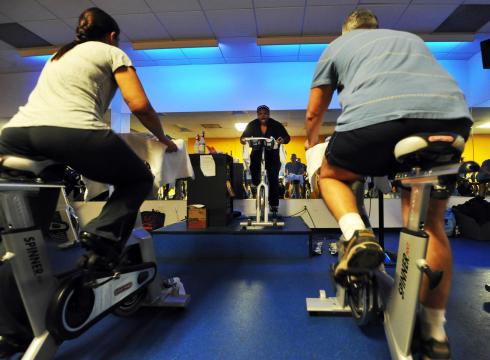
 Only 31 percent of U.S. adults report that they engage in regular leisure-time physical activity (defined as either three sessions per week of vigorous physical activity lasting 20 minutes or more, or five sessions per week of light-to-moderate physical activity lasting 30 minutes or more). About 40 percent of adults report no leisure-time physical activity.

About 35 percent of high school students report that they participate in at least 60 minutes of physical activity on 5 or more days of the week, and only 30 percent of students report that they attend physical education class daily. As children get older, participation in regular physical activity decreases dramatically.

In contrast to reported activity, when physical activity is measured by a device that detects movement, only about 3–5 percent of adults obtain 30 minutes of moderate or greater intensity physical activity on at least 5 days per week. Among youth, measured activity provides information on younger children than is available with reports and highlights the decline in activity from childhood to adolescence. For example, 42 percent of children age 6–11 obtain the recommended 60 minutes per day of physical activity, whereas only 8 percent of adolescents achieve this goal.

What are the benefits of physical activity?

Research suggests that physical activity may reduce the risk of many adverse health conditions, such as coronary heart disease, stroke, some cancers, type 2 diabetes, osteoporosis, and depression. In addition, physical activity can help reduce risk factors for conditions such as high blood pressure and blood cholesterol. Researchers believe that some physical activity is better than none, and additional health benefits can be gained by increasing the frequency, intensity, and duration of physical activity.


Understanding Heartburn: Day 3

In Health, Healthcare, Medicine on September 1, 2012 at 8:00 am

How is GERD treated?
See your health care provider if you have had symptoms of GERD and have been using antacids or other over-the-counter reflux medications for more than 2 weeks. Your health care provider may refer you to a gastroenterologist, a doctor who treats diseases of the stomach and intestines. Depending on the severity of your GERD, treatment may involve one or more of the following lifestyle changes, medications, or surgery.
Lifestyle Changes
• If you smoke, stop.
• Avoid foods and beverages that worsen symptoms.
• Lose weight if needed.
• Eat small, frequent meals.
• Wear loose-fitting clothes.
• Avoid lying down for 3 hours after a meal.
• Raise the head of your bed 6 to 8 inches by securing wood blocks under the bedposts. Just using extra pillows will not help.

Medications
Your health care provider may recommend over-the-counter antacids or medications that stop acid production or help the muscles that empty your stomach. You can buy many of these medications without a prescription. However, see your health care provider before starting or adding a medication. Antacids, such as Alka-Seltzer, Maalox, Mylanta, Rolaids, and Riopan, are usually the first drugs recommended to relieve heartburn and other mild GERD symp­toms. Many brands on the market use different combinations of three basic salts— magnesium, calcium, and aluminum—with
hydroxide or bicarbonate ions to neutralize the acid in your stomach. Antacids, how­ever, can have side effects. Magnesium salt can lead to diarrhea, and aluminum salt may cause constipation. Aluminum and magnesium salts are often combined in a single product to balance these effects. Calcium carbonate antacids, such as Tums, Titralac, and Alka-2, can also be a supple­mental source of calcium. They can cause constipation as well. Foaming agents, such as Gaviscon, work by covering your stomach contents with foam to prevent reflux. H2 blockers, such as cimetidine (Tagamet HB), famotidine (Pepcid AC), nizatidine (Axid AR), and ranitidine (Zantac 75), decrease acid production. They are avail­able in prescription strength and over-the­counter strength. These drugs provide short-term relief and are effective for about half of those who have GERD symptoms. Proton pump inhibitors include omepra­zole (Prilosec), lansoprazole (Prevacid), pantoprazole (Protonix), rabeprazole (Aciphex), and esomeprazole (Nexium), which are available by prescrip­tion. Prilosec is also available in over-the­counter strength. Proton pump inhibitors
are more effective than H2 blockers and can relieve symptoms and heal the esophageal lining in almost everyone who has GERD.
Prokinetics help strengthen the LES and make the stomach empty faster. This group includes bethanechol (Urecholine) and metoclopramide (Reglan). Metoclo­pramide also improves muscle action in the digestive tract. Prokinetics have frequent side effects that limit their usefulness— fatigue, sleepiness, depression, anxiety, and problems with physical movement.

Because drugs work in different ways, com­binations of medications may help control symptoms. People who get heartburn after eating may take both antacids and H2 blockers. The antacids work first to neu­tralize the acid in the stomach, and then the H2 blockers act on acid production. By the time the antacid stops working, the H2 blocker will have stopped acid produc­tion. Your health care provider is the best source of information about how to use
medications for GERD.

Understanding Heartburn: Day 2

In Health, Healthcare, Medicine on August 31, 2012 at 8:00 am

What are the symptoms of GERD?
The main symptom of GERD in adults is frequent heartburn, also called acid indigestion—burning-type pain in the lower part of the mid-chest, behind the breast bone, and in the mid-abdomen. Most children under 12 years with GERD,
and some adults, have GERD without heartburn. Instead, they may experience a dry cough, asthma symptoms, or trouble swallowing.

What causes GERD?
The reason some people develop GERD is still unclear. However, research shows that in people with GERD, the LES relaxes while the rest of the esophagus is working. Anatomical abnormalities such as a hiatal hernia occurs when the upper part of the stomach and the LES move above the diaphragm, the muscle wall that separates the stomach from the chest. Normally, the people of any age and is most often a normal finding in otherwise healthy people diaphragm helps the LES keep acid from rising up into the esophagus. When a hiaover age 50. Most of the time, a hiatal hernia produces no symptoms.tal hernia is present, acid reflux can occur more easily. A hiatal hernia can occur in people of any age and is most often a normal finding in otherwise healthy people diaphragm helps the LES keep acid from rising up into the esophagus. When a hiaover age 50. Most of the time, a hiatal hernia produces no symptoms.

Other factors that may contribute to GERD include
• obesity
• pregnancy
• smoking
Common foods that can worsen reflux symptoms include
• citrus fruits
• chocolate
• drinks with caffeine or alcohol
• fatty and fried foods
• garlic and onions
• mint flavorings
• spicy foods
• tomato-based foods, like spaghetti sauce, salsa, chili, and pizza

Diabetes: Things to Know

In Health, Healthcare, Medicine on August 23, 2012 at 8:00 am

Did you know that diabetes can lead to heart attack and stroke, blindness, or kidney failure?

Too much glucose, a type of sugar, in your blood can cause diabetes problems over time. High blood glucose can cause heart and blood vessel disease, which can lead to heart attacks and strokes. Damage to the eyes can lead to loss of sight or blindness. Nerve damage and poor blood flow can cause foot problems, sometimes leading to amputation.

You can prevent or delay diabetes problems by keeping your blood glucose, blood pressure, and cholesterol under control.

How can I tell if I have diabetes problems?

You may have diabetes problems if

  • your blood pressure is 130 over 80, written as 130/80, or higher
  • you have pain in your chest
  • you have blurry or double vision, or feel pain or pressure in your eyes
  • you have foot problems-such as blisters, ingrown toenails, or cracked skin-that get infected
  • your arms, hands, legs, or feet feel numb, or you feel shooting pains

Some diabetes problems don’t have symptoms at first. For example, you cannot tell if your kidneys are damaged until they stop working altogether. Your doctor should test your urine every year to see how well your kidneys are working.

What can I do to stay healthy with diabetes?

Controlling your blood glucose, blood pressure, and cholesterol can make a big difference in staying healthy. Talk with your doctor about what your ABC goals should be and how to reach them. A stands for the A1C test-a measure of what your blood glucose has been for the last three months. B is for blood pressure, and C is for cholesterol.

You can take these steps each day to reach your ABC goals:

  • Follow the healthy eating plan that you and your doctor or dietitian have discussed.
  • Be physically active for 30 to 60 minutes most days.
  • Take your medicines as directed and keep taking them, even after you’ve reached your goals.
  • If you smoke, quit.
  • Ask your doctor if you should take aspirin to prevent a heart attack or stroke.
  • Check your feet every day for cuts, blisters, sores, swelling, redness, or sore toenails.

Irritable Bowel Syndrome: A Nightmare which can be fixed by changing Lifestyle

In Health, Healthcare, Medicine on August 21, 2012 at 8:00 am


Did you know that if you often have stomach cramps, bloating, gas, diarrhea, or constipation, you could have irritable bowel syndrome?

What is irritable bowel syndrome?

Irritable bowel syndrome (IBS) is a functional disorder of the large bowel, meaning the bowel doesn’t work, or function, correctly. IBS is not a disease, but a group of symptoms.

What are the symptoms of IBS?

The main symptoms of IBS are

  • pain or discomfort in the abdomen, often relieved by a bowel movement
  • chronic diarrhea, constipation, or both

Other symptoms include

  • whitish mucus in the stool
  • a swollen or bloated abdomen
  • the feeling that you have not finished a bowel movement

Women with IBS often have more symptoms during their menstrual periods.

How will I know if I have IBS?

Your doctor may diagnose IBS based on your symptoms. No specific test for IBS exists, but your doctor may do some

What can I do about IBS?

IBS has no cure but you can take some steps to relieve symptoms. You might have to try a few different things to see what works best for you. Your doctor can help you find the right treatment plan, which may include

  • avoiding foods that can trigger symptoms, such as fatty foods, milk products, and carbonated drinks
  • eating foods with fiber
  • eating four or five small meals instead of three big meals
  • taking medicines that help relieve symptoms
  • reducing emotional stress


Kidney Stones: What You Need to Know

In Health, Healthcare, Medicine on August 16, 2012 at 8:00 am


Did you know severe pain in your back or side that won’t go away could be a kidney stone?

What is a kidney stone?

A kidney stone is a hard mass that forms in the kidney out of substances in the urine. Kidney stones may be as small as a grain of sand or as large as a pearl. Some stones are even as big as golf balls. Most kidney stones pass out of the body with urine. But sometimes a stone will not pass by itself and needs a doctor’s care.

Who gets kidney stones?

You are more likely to get a kidney stone if

  • you are Caucasian
  • you are male
  • you are 40 or older
  • you have had a kidney stone before

How do I know if I have a kidney stone?

Kidney stones often do not cause any symptoms and pass through the body without being noticed. But sometimes stones can cause great pain.

You should call your doctor if you have

  • extreme pain in your back or side that will not go away
  • blood in your urine
  • fever and chills
  • vomiting
  • urine that smells bad or looks cloudy
  • a burning feeling when you urinate

What can my doctor do about a problem stone?

Your doctor may use a machine that sends shock waves to the stone and breaks it into smaller pieces. The small pieces will then pass through your urinary system with your urine.

Sometimes a stone is removed through “tunnel surgery.” The surgeon makes a small cut in the back and creates a narrow tunnel into the kidney. The surgeon then locates and removes the stone using a special instrument.

If the stone is in the ureter-the tube that carries urine from the kidney to the bladder-the doctor may use a ureteroscope. This slender instrument is inserted into the urethra-the short tube that carries urine out of the bladder when you urinate-through the bladder, then into the ureter. The doctor will catch the stone with a small cage in the uteroscope and pull it out. Or the doctor may shatter the stone with a device inserted through the ureteroscope.

What can I do to prevent kidney stones?

Drink lots of water. Water helps to flush away the substances that form stones in the kidneys. If you have had a kidney stone before, you’re likely to have others. Talk with your doctor about other ways to avoid more stones.