Let us Learn about Health and Healthcare

Posts Tagged ‘Physician’

25 Ways to Sky-Rocket Patient Experience in any Medical Practice

In Health, Healthcare, Medicine on June 6, 2012 at 8:00 am

Most healthcare practices struggle on getting their bottom line met in current economic times with everyday changing healthcare trends. Very few of them are using some basic techniques to improve patient satisfaction and outcomes.  I have complied a list of 25 golden principles that a medical practice can adopt to improve their overall turnover and patient experience.

1. Remind patients of their upcoming appointment at least 24-48 hours prior.

2. Patients should be reminded of any paperwork to bring at the time of appointment.

3. Check-in process should be easy and quick.

4. Manage the schedule in a way that patients do not have to wait longer than 10-15 minutes.

5. Rooms should be well lighted.

6. Patients should be told about their vital signs in comparison to the old ones by the Medical Assistant when putting information in.

7. Staff should greet them with a smile.

8. Be a good listener.Let them finish their talking before you start talking.

9. Address the key issues and give specific written recommendations. Provide patient handouts when necessary.

10. It is good to address one more issue as a bonus. Patients feel good about it.

11. Follow up recommendations should be clear and concise.

12. Easy Checkout is must. If it is going to take some time, have patients sit in waiting area and address their needs as soon as possible.

13. Inform the patients of any abnormal labs and actions to be taken as soon as results are obtained.

14. Engage family members in case is Older patients and patients with special needs.

15. Try to know their social engagements. This makes them friendly.

16. Reassure, Manage and Recommend sensitively.

17. Review charts before patients visit so that you may mention what you talked about last time.

18. Offer Same day appointments.

19. Offer access to their own records including lab work and radiology reports.

20. Send them a Satisfaction survey to see what their experiences are and how you can improve.

21. Make them part of the decision-making. Always give them options when possible and guide them to choose one for themselves.

22. Send Periodic Health maintenance reminders. This include follow-up screening tests.

23. Provide Online resources and references to patients to get educated about their health conditions.

24. Have a well-designed and well informative website for the practice.

25. Most Importantly, be clear about your policies and procedures, what services you offer and what you don’t,  before even patient shows up, to avoid any surprises on patient’s end. Patients have  unreasonable expectations sometimes, which can be avoided by giving them clear understanding of what you can provide and what you cannot.

All the above mentioned tips are very easy to follow and the results are amazingly good. See your practice Sky-rocket in few weeks after applying these principles.


Facts about Fats

In Health, Healthcare, Medicine on June 5, 2012 at 8:00 am

“Did you see how much cholesterol this coconut milk has?”, my wife asked me while walking down the aisle for Asian food one day. She is one paranoid personality when it comes to cholesterol in food items. At times she starts an argument about saturated and unsaturated fats although she has no clue as to what they are. And then comes the challenging part to
explain her the dynamics of cholesterol. But I enjoy those discussions as I learn a lot with the curiosity of hers.
Cholesterol is a part of lipids which is the scientific term for fats in the blood. At adequate
levels, lipids perform important cellular functions in your body, but can cause health problems if they are present in excess.
Concerning lipids are mainly cholesterol and triglycerides.
Hyperlipidemia, along with diabetes, hypertension (high blood pressure), positive family history, and smoking are all major risk factors for coronary heart disease.
Who gets it? obese, smokers,and those who don’t like to get up and exercise. Medical  conditions that cause   hyperlipidemia include diseases like diabetes, kidney disease,pregnancy and underactive thyroid gland. You can also inherit hyperlipidemia. The cause may be genetic if you have a normal body weight and other members of your family
have hyperlipidemia. You have a greater chance of developing hyperlipidemia if you are a man older than age 45
or a woman older than age 55. If a close relative had early heart disease (father or brother affected before age 55, mother or sister affected before age 65), you also have an increased risk.
Symptoms: None. You would never know it until you get adverse effects because of that. So why do I care? You better care about this because you could be the one getting a heart attack or a stroke before even knowing whats happening. Hyperlipidemia causes atherosclerosis which is hardening of the blood vessels, thereby compromising blood supply
to major organs like heart and brain.
So how do I know if I have high lipids? Blood test. The National Cholesterol Education Program recommends that people get this test every 5 years after age 20. Your blood test will show your physician the levels of different lipids in your blood which will help him decide how aggressively you need to be treated. Most blood tests measure levels of LDL (bad cholesterol) cholesterol, HDL (good cholesterol), total cholesterol (LDL plus HDL), and triglycerides. Current national guidelines suggest a LDL cholesterol goal of <100 mg/dl for individuals already with heart disease or
diabetes, <130 mg/dl for those with moderate risk of heart disease, and <160 mg/dl for everyone else. Your doctor can calculate your risk score for heart disease. This score can then be used to determine whether you need to start taking medications to lower your LDL cholesterol.
Although there are no firm treatment targets for HDL cholesterol or triglycerides, most experts agree that optimal HDL cholesterol and triglyceride levels are >40 mg/dl and <200 mg/dl, respectively.
What’s the treatment? Lifestyle modifications is the most important step to lower the lipid levels. I know some people don’t like to do it, but you need to get up and do some exercise. When it comes to eating right and exercising, there is no “I’ll start tomorrow.” Tomorrow is disease. Change your dietary habits. You should replace foods high in
saturated fats(the majority come mainly from animal sources, including meat and dairy products) with foods high in monounsaturated and/or polyunsaturated fats(vegetable oil, fish, nuts, legumes, etc). A humorous patient once said to me, “They claim red meat is bad for you. But I never saw a sick-looking tiger.” I wish I had an answer to his argument.
Stop smoking. Smoking can lower HDL, narrow your blood vessels, and injure your blood vessel walls. All of these effects can speed hardening of the arteries.Try to lose some weight. Therapeutic lifestyle changes can lower total cholesterol by 10 to 20 percent in some people. More commonly, however, people with hyperlipidemia experience a 2 to 6 percent reduction from TLC. If TLC doesn’t help, its time to start some medication which your doctor will decide for you. Lipid-lowering medications include Statin drugs (which prevent your liver from manufacturing cholesterol), Bile acid sequestrants, (which prevent your body from reabsorbing the cholesterol in bile. Bile is a liquid secreted into your small
intestine that helps you digest dietary fats), Fibrates and Niacin.
So, its never too late. Lets work on it. Remember, the best six doctors anywhere are sunshine, water, rest, air, exercise and diet.

Treat Patients the way you would like to get treated

In Health, Healthcare, Medicine on June 2, 2012 at 8:00 am

I  was a happy man when I passed my USMLE Step 3 exam. All doctors in US have to pass the USMLE Step 3 exam which deals with how you ‘Treat’ the patient. It is not just the medical diagnosis and treatment, it is the whole process of management that starts as soon as you enter the room. Doctors get graded heavily on their behavior towards the patient.

With changing healthcare and pressure of documenting everything, doctors are finding it really hard to keep that connection going. 15 minutes for a patient’s visit is not enough most of the times. If you increase the times, the ‘bottom-line revenue gets hurt. It has come to the point where doctors are taking their work home,making it hard for them to enjoy family time. That is why, medicine is no more one of the top demanded profession.

Despite all the hassles and pains, doctors in US continue to treat their patients in the best way they can. What is patient’s need? That somebody listens to them and help them. When listening, analyzing and actions become time-bound, the connection gets lost somewhere leaving both the parties unsatisfied most of the times. We are not paying much ‘Attention’. The doctor-patient relationship is central to the practice of healthcare and is essential for the delivery of high-quality health care in the diagnosis and treatment of disease. The doctor-patient relationship forms one of the foundations of contemporary medical ethics. There are very few physician practices who are actively involved in patient satisfaction surveys to know exactly where they are in terms of their services.

This loss of connection is nobody’s fault. It is the fault of the system that we as a society have designed. Health is no more a personal issue. It has become ‘E-Health’ (electronic health). Now you go for a doctor’s visit, what you hear is clicking(mouse and keyboard). We have lost the personal touch.

Is there a way to revive back the relationship and improve quality on top? Yes. The emerging concept of Patient Centered Medical Home(PCMH) takes away that burden off from the physicians and satisfies the patients. It is a multi-disciplinary integrative  approach towards patient. It does not just deals with the current problems, but helps manage overall wellness. It ensures that patients get the attention required to manage their issues.

PCMH aims to collaborate the various divisions of healthcare on a single platform to give a ‘One Stop Shop’ for health and wellness. AHA, HITECH,ACO and all other reforms added recently, have led Healthcare institutions to come up with processes to reduce waste, improve quality and deliver best possible care. The Healthcare IT industry is the busiest industry in current times. New softwares and techniques are being launched on a daily basis to make the current systems efficient.

But, whatever the case may be, Medicine is about ‘Connecting with the Patient’. We need to focus on E-Health, but not at the stake of Physician-Patient relationship. Whenever I feel myself swaying away by the winds of technological pressures, I stop and think to myself, “Is this the way I would like to be treated if I am a patient?”

From a doctor’s perspective, I would appeal to all the patients that the behavior of  doctors towards health is not by personal choice. The changes in Healthcare are coming too fast and sometimes it is hard to keep holding the ground for the healthcare providers. I am not sure how long this may take. But one thing is for sure, E-health can never overpower the strength of ‘Physician-Patient Relationship’.

Autoimmune Diseases: Stop Self Destruction !!

In Health, Healthcare, Medicine on June 1, 2012 at 7:00 am

Have you been wondering why and how do people in 21st century get bombarded with diseases that  were never heard of ? People still don’t know majority of the very common diseases in the current world. Everyone knows Hypertension (High BP), Diabetes, Cancer, Heart attacks and few more. But you will be surprised to know the toll some of the Autoimmune diseases take.

Autoimmune disorders arise from an inappropriate immune response of the body against substances and tissues normally present in the body. In other words, the immune system mistakes some part of the body as a pathogen and attacks its own cells. This may be restricted to certain organs (e.g. in autoimmune thyroiditis) or involve a particular tissue in different places (e.g. Goodpasture’s disease which may affect the basement membrane in both the lung and the kidney).

FURIOUS FACTS ABOUT AUTOIMMUNE DISEASES


• The National Institutes of Health (NIH estimates up to 23.5 million Americans suffer from autoimmune disease and that the prevalence is rising. In comparison, cancer affects up to 9 million and heart disease up to 22 million.
• Researchers have identified 80-100 different autoimmune diseases and suspect at least 40 additional diseases of having an autoimmune basis. These diseases are chronic and can be life-threatening.
• Autoimmune disease is one of the top 10 leading causes of death in female children and women in all age groups up to 64 years. of age.
• A close genetic relationship exists among autoimmune disease, explaining clustering in individuals and families as well as a common pathway of disease.
• Symptoms cross many specialties and can affect all body organs.
• Medical education provides minimal learning about autoimmune disease.
• Specialists are generally unaware of interrelationships among the different autoimmune diseases or advances in treatment outside their own specialty area.
• Initial symptoms are often intermittent and unspecific until the disease becomes acute.
• According to the Department of Health and Human Services’ Office of Women’s Health, autoimmune disease and disorders ranked #1 in a top ten list of most popular health topics requested by callers to the National Women’s Health Information Center.

Examples of Autoimmune or Autoimmune Related Diseases

  • Acute disseminated encephalomyelitis (ADEM). A form of encephalitis caused by an autoimmune reaction and typically occurring a few days or weeks after a viral infection or a vaccination.
  • Addison’s disease. A disease often caused by autoimmune destruction of the adrenal cortex.
  • Ankylosing spondylitis. A chronic, painful, progressive inflammatory arthritis primarily affecting spine and sacroiliac joints, causing eventual fusion of the spine.
  • Antiphospholipid antibody syndrome (APS). A disease that causes blood clots to form in veins and/or arteries.
  • Aplastic anemia. A disease caused by an autoimmune attack on the bone marrow.
  • Autoimmune hepatitis. A disorder wherein the liver is the target of the body’s own immune system.
  • Autoimmune Oophoritis.  A disorder in which the immune system attacks the female reproductive organs.
  • Celiac disease – sprue. A disease characterized by chronic inflammation of the proximal portion of the small intestine caused by exposure to certain dietary gluten proteins.
  • Crohn’s disease. A form of inflammatory bowel disease characterized by chronic inflammation of the intestinal tract causing abdominal pain and diarrhea. There is also a theory that Crohn’s Disease is an infectious disease caused by Mycobacterium avium paratuberculosis.
  • Diabetes mellitus type 1. A disorder  that is characterized by a deficiency or absence of insulin production (Type I). It is often the consequence of an autoimmune attack on the insulin-producing beta cells in the islets of Langerhans of the pancreas.
  • Gestational pemphigoid. A pregnancy-related blistering condition where auto antibodies attack the skin.
  • Goodpasture’s syndrome. A disease characterized by rapid destruction of the kidneys and hemorrhaging of the lungs through autoimmune reaction against an antigen found in both organs.
  • Graves’ disease. A disorder of the thyroid caused by anti-thyroid antibodies that stimulate the thyroid into overproduction of thyroid hormone. It is the most common form of hyperthyroidism.
  • Guillain-Barré syndrome (GBS). An acquired immune-mediated inflammatory disorder of the peripheral nervous system. Also referred to as:  acute idiopathic polyradiculoneuritis, acute idiopathic polyneuritis,  acute inflammatory demyelinating polyneuropathy, and Landry’s ascending paralysis.
  • Hashimoto’s disease. A condition characterized by initial inflammation of the thyroid, and, later, dysfunction and goiter. There are several characteristic antibodies (e.g., anti-thyroglobulin).  A common form of hypothyroidism,
  • Idiopathic thrombocytopenic purpura. An autoimmune disease where the body produces anti-platelet antibodies resulting in a low platelet count.
  • Kawasaki’s disease. A disorder caused by an autoimmune attack on the arteries around the heart.
  • Lupus erythematosus. A chronic (long-lasting) non organ specific autoimmune disease wherein the immune system becomes hyperactive and attacks normal tissue. This attack results in inflammation and brings about symptoms.
  • Mixed Connective Tissue Disease. A disorder that   has features of other connective tissues diseases — lupus,  polymyositis, rheumatoid arthritis, and scleroderma, diagnosed by the presence of  anti-body U1-RNP.
  • Multiple sclerosis. A disorder of the central nervous system (brain and spinal cord) characterized by decreased nerve function due to myelin loss and secondary axonal damage.
  • Myasthenia gravis. A disorder of neuromuscular transmission leading to fluctuating weakness and fatigue. Weakness is caused by circulating antibodies that block (antagonist) acetylcholine receptors at the neuromuscular junction.
  • Opsoclonus myoclonus syndrome (OMS).  A neurological disorder that appears to the result of an autoimmune attack on the nervous system. Symptoms include  ataxia, intention tremor, dysphasia, dysarthria,  myoclonus, mutism, hypotonia, opsoclonus, lethargy, irritability or malaise. About half of all OMS cases occur in association with neuroblastoma.
  • Optic neuritis. An inflammation of the optic nerve that may cause a complete or partial loss of vision.
  • Ord’s thyroiditis. Thyroiditis similar to Hashimoto’s disease, except that the thyroid is reduced in size.
  • Pemphigus. An autoimmune disorder that causes blistering and raw sores on skin and mucous membranes.
  • Pernicious anaemia. An autoimmune disorder characterized by anemia due to malabsorption of vitamin B12
  • Primary biliary cirrhosis. An autoimmune disease that affects the biliary epithelial cells (BECs) of the small bile duct in the liver. Although the cause is yet to be determined, most of the patients (>90%) appear to have auto-mitochondrial  anti-bodies (AMAs) against pyruvate dehydrogenase complex (PDC), an enzyme that is found in the mitochondria.
  • Rheumatoid arthritis. An autoimmune disorder that causes the body’s immune system to attack the bone joints.
  • Reiter’s syndrome. An autoimmune disease affecting various body systems in response to a bacterial infection and the body’s confusion over the HLA-B27 marker .
  • Sjögren’s syndrome. An autoimmune disorder in which immune cells attack and destroy the exocrine glands that produce tears and saliva.
  • Takayasu’s arteritis. An auto immune disorder that results in the narrowing of the lumen of arteries.
  • Temporal arteritis (also known as “giant cell arteritis”). An inflammation of blood vessels, most commonly the large and medium arteries of the head. Untreated, the disorder can lead to significant vision loss.
  • Warm autoimmune hemolytic anemia. A auto immune disorder characterized by IgM attack against red blood cells
  • Wegener’s granulomatosis . A form of vasculitis that affects the lungs, kidneys and other organs.

Have we ever tried to realize as to why has this been happening so much?

Humans have become a walking stress machines. What applies to us is ‘Garbage in, Garbage out’. We put in bad thoughts and it comes as bad actions. We hardly pay attention to our body. We have started believing in “Materialism’. We want to get what-ever we can in this lifetime. We keep accumulating stuff thinking we may need it some day. But unfortunately, the day never comes. But what comes is disease.

Most of the autoimmune diseases are caused by

  • Stress
  • Poor Lifestyle
  • Unhealthy eating habits
  • Lack of exercise
  • Chronic dehydration: Not drinking enough water
  • Hereditary factors
  • Female Gender: Females are more prone to Autoimmune diseases

An autoimmune disorder may result in:

  • The destruction of one or more types of body tissue
  • Abnormal growth of an organ
  • Changes in organ function

An autoimmune disorder may affect one or more organ or tissue types including:

  • Blood vessels
  • Connective tissues
  • Endocrine glands such as the thyroid or pancreas
  • Joints
  • Muscles
  • Red blood cells
  • Skin

Symptoms can be very weird ranging from

  • Fever
  • Weight loss
  • Fatigue
  • Headaches
  • Body aches, etc

Diagnostic Tests

Your doctor may order the test based on your symptoms. But a few  most common ones are

  • ESR
  • CRP
  • ANA
  • CBC
  • Specific Autoantibody tests

Treatment

Immunosuppression: Medications which decreases the immune response. But it is not that simple. Most of the Immunosuppressants bring a high risk of side effects which are sometimes really hard to deal with.

Being a believer in Naturopathy and Alternative Medicine also, I recommend Lifestyle Modification be the primary treatment to fight against these painful diseases. They will detoxify your body. Some of them are:

  • Daily exercise
  • Healthy Diet: Fruits and Veggies
  • Drinking plenty of water
  • Multivitamin daily
  • Acupressure and Reflexology
  • Yoga
  • Meditation
  • Relaxation exercises including deep breathing
  • Reducing Sugar intake

The above mentioned treatments are not an alternative to medical treatment. So, do contact your doctor for management if your symptoms are uncontrolled.

One should understand that the idea is to detoxify the body and bring harmony within your body. Stop chasing for things that do not matter down the road. We do not carry what we buy for ourselves with us all the time 24X7. What we carry is our physical body every moment of our life. So value it and do not neglect it.

Doctors Also Fear Death..

In Health, Healthcare, Medicine on May 31, 2012 at 7:00 am

Mr D was a patient of mine for many years. His wife and him were the nicest and most compliant patients a doctor can  have. He was suffering from Cirrhosis of Liver due to Hepatitis C for many years. His condition was deteriorating fast over last 6 months. Frequent hospitalizations had become a norm for him. Hospital became his home. He was adamant about not getting a transplant of Liver, but with the worsening of his condition, he agreed to be on the transplant list. I was hopeful that he may do well with it once he gets it. But nature had some other plans. He passed away few weeks later while still waiting to get a liver. The news of his death did not come as a big surprise, but it was definitely hurting. Life has to come to an end one way or the other. Death is the only truth of life. But the grief of a loss of someone close leads to a new thought process. I see pain, misery and death everyday of my life. It does not stop me from doing what I do, but does lead to emotional challenges to be faced.

Do doctors grieve when their patients die? In the medical profession, such grief is seldom discussed – except, perhaps, as an example of the sort of emotion that a skilled doctor avoids feeling. But in a paper published on Tuesday in Archives of Internal Medicine, it was  found that, not only do doctors experience grief, but the professional taboo on the emotion also has negative consequences for the doctors themselves, as well as for the quality of care they provide.

Physicians possess powerful skills for saving lives. Even though deaths are an inevitable part of most physicians’ jobs, they are never taught in medical school how to deal with grief. Moreover, the culture of medicine generally encourages physician stoicism, some of which is necessary. But physicians’ emotional walls, if too high, may not only harm their personal well-being but also affect the way they interact with and treat patients, according to a study published in the Archives of Internal Medicine.

Study took place from 2010 to 2011 in three Canadian hospitals.  20 oncologists who varied in age, sex and ethnicity and had a wide range of experience in the field – from a year and a half in practice in the case of oncology fellows to more than 30 years in the case of senior oncologists were interviewed. Using a qualitative empirical method known as grounded theory, analysis of  the data was done by systematically coding each interview transcript line by line for themes and then comparing the findings from each interview across all interviews to see which themes stood out most robustly.

After systematically coding the results, the researchers made the following observations:

  • More than half of the participants reported feelings of failure, self-doubt, sadness and powerlessness as part of their grief experience. A third of the respondents talked about feelings of guilt, loss of sleep and crying.
  • Participants widely reported hiding their grief from others because showing emotion was considered a sign of weakness. For many, the study interview marked the first time they spoke about such emotions at all.
  • Half of the oncologists said that discomfort with their grief over patient loss could affect their treatment decisions with other patients, such as by providing more aggressive chemotherapy or recommending further surgery instead of palliative care even when treatment is futile. At least one other doctor acknowledged undertreating a patient after seeing another with severe toxicity.
  • Half of participants admitted withdrawing from patients, in the form of fewer bedside visits and less overall interaction, as the patients got closer to dying.

Unease with losing patients also affected the doctors’ ability to communicate about end-of-life issues with patients and their families. Half of our participants said they distanced themselves and withdrew from patients as the patients got closer to dying. This meant fewer visits in the hospital, fewer bedside visits and less overall effort directed toward the dying patient.

It’s worth stressing that most physicians want what is best for their patients and that the outcome of any medical intervention is often unknown. It’s also worth noting that  physicians who are dealing with end-of-life issues are right to put up some emotional boundaries: no one wants their doctor to be walking around openly grief-stricken.

The research indicates that grief is having a negative impact on physicians’ personal lives and that there is a troubling relationship between doctors’ discomfort with death and grief and how patients and their families are treated. Physicians are not trained to deal with their own grief, and they need to be. In addition to providing such training, we need to normalize death and grief as a natural part of life, especially in medical settings.

To improve the quality of end-of-life care for patients and their families, we also need to improve the quality of life of their physicians, by making space for them to grieve like everyone else.

‘Brand’ name: Must for Physicians in Current Times

In Health, Healthcare, Medicine on May 25, 2012 at 1:28 pm

Do you stand out in competition with other healthcare providers? We all know what a ‘BRAND‘ means. It means ‘Value’. How much are you willing to pay for a certain name item depends upon what value you give it. Whether it be shoes, clothes, electronics, cars or whatever, we all have our brands that we prefer. The contents in this post are true for any business.

Giving a ‘brand’ name to a physician is something that was never thought or heard of. It sounds like business. But wake up my friend. Like it or not,” Medicine is Business“. It is a service oriented business where patients are the customers. As a customer, I need to make sure I get the right Brand that meets my needs and gives me peace of mind.

Healthcare has been very ‘Fragmented’. People boast of differentiated markets in healthcare, but that is not true. Almost all have the same services that they provide to the patients. Most of the practices have inbuilt labs and other diagnostics to attract patients.The value of services that you receive is called Branding. We all want the better brands at affordable price. Some segments in society do not even mind paying higher as long as they get what they want.

A lot of healthcare businesses want to grow their market share. But in service sector, as opposed to products, the improvement in ‘Bottom Line’ is more important. Generating revenue is the key. They need not worry about the market share. How many people shop at Jos A Bank stores. Not too many. Does the company want to get most market share. They don’t because they can’t. They focus on the bottom line and generating revenues. Healthcare is specialized service that should not be compromised on. People should know what they can get from you as a provider that they will not get anywhere else.

So how should doctors position their ‘ Brands’?

Many ways:

1. Focus on Service consistency: Make sure all the patients are getting the similar services without any variations. Any significant variations break the Branding structure very fast. For example, make sure all patients are seen within a certain time frame so that they do not have to wait. If waiting times variate, your brand equity goes down. So, focus on Consistency.

2. Connect to the needs of the patients:All customers have a different mindset. they all expect something different. Make sure their needs are assessed and addressed appropriately. It could be overwhelming sometimes to make everyone happy, but try your best.

3. Tap the patients’ emotions: Connecting emotionally is must. It has been a saying that ” Patient gets half better already by talking to a doctor”. I feel it is a true statement. Reassurance and good explanation of the disease process helps patients get a clear idea of their outcomes.

4. relevance to the needs and desires of the patients is must: Stick to the relevance of the issues patients are coming in for.

5. A smile goes a long way: Smiling is addictive. It is hard to see people not smiling back to you if you greet them with a smile. Smile creates positive emotions. It helps the connection emotionally.

6. Social Media: It is a must for Physicians to utilize the wonders of Social media. There are so many social networking sites to help you share the thoughts and ideas you may have with the world out there. An attractive, well informative website always helps. Pictures of the facility and the staff  is a must. New Patients can easily connect with you if they see your picture before. A short video would work as icing on the cake. Tell them what you can offer and your mission. Believe me, it will sky-rocket the practice.

7. Get a logo and Tag Line: It is also a crucial step in getting branded. The Logo and tagline should convey what you can offer.

It is not an easy journey for a lot of physicians to be Brand Oriented, but that is the need of the day. Those who will do it will be successful.

From a patient’s perspective, it is a wise thing to know the provider you will be seeing before hand.See who offers what in the market. Health should not be compromised. The media presence and knowledge of a physician is a very strong factor that you should look for to get the best care. Do your research and make the best decision for yourself. Talk to your friends and family to get some insight about their providers and ‘Get the Best Brand’ for yourself.

Patient Centered Medical Home: Patients equally responsible as Providers

In Health, Healthcare, Medicine on May 19, 2012 at 8:15 pm

 WHAT EXACTLY IS A PATIENT CENTERED MEDICAL HOME?

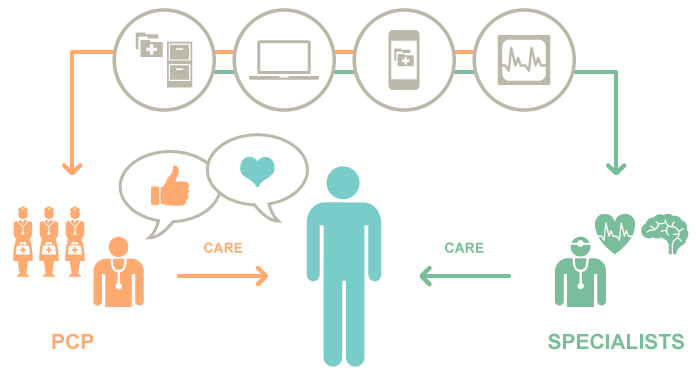
The patient‐centered medical home is a model for care provided by physician practices that seeks to strengthen the physician‐patient relationship by replacing episodic care based on illnesses and patient complaints with coordinated care and a long‐term healing relationship. Each patient has an ongoing relationship with a personal physician who leads a team that takes collective responsibility for patient care. The physician‐led care team is responsible for providing all the patient’s health care needs and, when needed, arranges for appropriate care with other qualified physicians. A medical home also emphasizes enhanced care through open scheduling, expanded hours and communication between patients, physicians and staff.

Based on emerging research, the medical home model has the potential to improve health outcomes and reduce overall costs. One way to fix the problem of spiraling health care costs is to try to change the health care system. It isn’t easy. It means completely changing the way everyone does business. But we can’t keep doing what we’re doing because things will just keep getting worse.

The problem is the way the health care system pays for care. It’s called a fee-for-service business model, and it hasn’t changed much since the start of modern health care. Under this model, doctors, hospitals, and other providers are paid for every service they provide – every visit, every test, and procedure they do – whether or not these things improve our health. It’s based on quantity instead of quality.

It can lead to unneeded tests, screenings, and other expensive care that adds to health care costs each year, without making people healthier and, in some cases, making them even less healthy. And it often results in doctors not having enough time to give the care they want to give. According to a recent study, a primary care provider (PCP) would need more than 22 hours a day to finish all of the work expected of them, whether giving care or doing paperwork.

To try to fix this system, insurers, hospitals, doctors, the government, and professional and trade groups are working together to change the way health care works. The major part of that effort is moving from the fee-for-service model to a new patient-centered medical home model. It’s kind of a weird name, but if you think about what it’s trying to do, it makes sense.

A patient-centered medical home, or PCMH, is not a physical building. It’s a way to care for patients so that you feel “at home” with your care. PCMH changes the emphasis from quantity to quality, helping everyone be healthier and reduce the need for costly care.

It’s been proven that when people have a long history with their PCP, they are healthier and have lower health care costs. Kind of makes sense, right? The better your doctor knows you and is aware of factors that might affect your health, such as stress, the more likely it is that diseases can be prevented or caught early, when treating them costs less and before they cause big problems. And as a bonus, when you have a good relationship with your doctor, you’re usually better informed about your health and lead a healthier lifestyle. It’s easier for a doctor who knows you well to effectively nag you!

A key goal of PCMH is to improve the relationship between you and your doctor. A big part of that is giving doctors the time they need to give that familiar level of care. So PCMH helps PCPs change their practices. They are put in charge of teams of providers customized to meet your unique health needs – so if you have a chronic condition, health care “extenders” with expertise in treating your condition could be on your team. The team may also include staff members and health and wellness organizations that offer education, screenings, and other support.

The PCMH system supports these teams with information and a new way to pay for care. Using the latest technology, like electronic health records, makes the team more efficient and improves communication. New detailed reports of patient histories help the team identify patients who need screenings, follow-up visits, and immunizations. That means your doctor and your whole team will have more information to better help you. It will also increase the coordination between different providers on your team. And instead of getting paid for every service they provide, providers are rewarded for making sure you get the right care you need when you need it. It’s about paying for quality.

HMSA members who have a primary care provider and a patient-centered medical home get recommended health screenings and immunizations at a higher rate than those without a PCP and PCMH.

But it’s not all up to the team. As the name implies, PCMH puts you at the center of your care, encouraging you to take an active role in improving and maintaining your health. After all, a team of doctors can only make recommendations. You are the only one who can make yourself exercise, eat right, get your recommended screenings and tests, take your medications as prescribed, and do what you need to do to manage any chronic conditions you have.