Archive for July, 2012|Monthly archive page
Calorie, Diet, Eating, Food, health, Physical exercise, Portion control (dieting), Shopping, Weight loss
In Health, Healthcare, Medicine on July 21, 2012 at 8:00 am
Myth: “I can lose weight while eating whatever I want.”
Fact: To lose weight, you need to use more calories than you eat. It is possible to eat any kind of food you want and lose weight. You need to limit the number of calories you eat every day and/or increase your daily physical activity. Portion control is the key. Try eating smaller amounts of food and choosing foods that are low in calories.
Tip: When trying to lose weight, you can still eat your favorite foods—as long as you pay attention to the total number of calories that you eat.
Alternative, Diet, Disease, HAPPINESS, health, Health care provider, herbal, Herbalism, medicine, natural, Pain, Patient, Shopping, Supplements, Weight loss, weight loss products
In Health, Healthcare, Medicine on July 20, 2012 at 8:00 am
Myth: Natural or herbal weight-loss products are safe and effective.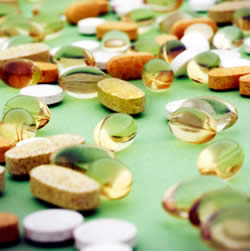
Fact: A weight-loss product that claims to be “natural” or “herbal” is not necessarily safe. These products are not usually scientifically tested to prove that they are safe or that they work. For example, herbal products containing ephedra (now banned by the U.S. Government) have caused serious health problems and even death. Newer products that claim to be ephedra-free are not necessarily danger-free, because they may contain ingredients similar to ephedra.
Tip: Talk with your health care provider before using any weight-loss product. Some natural or herbal weight-loss products can be harmful.
Calorie, Cooking, Fat, health, Milk, Saturated fat, Starch, Trans fat
In Health, Healthcare, Medicine on July 19, 2012 at 8:00 am
Myth: Starches are fattening and should be limited when trying to lose weight.
Fact: Many foods high in starch, like bread, rice, pasta, cereals, beans, fruits, and some vegetables (like potatoes and yams) are low in fat and calories. They become high in fat and calories when eaten in large portion sizes or when covered with high-fat toppings like butter, sour cream, or mayonnaise. Foods high in starch (also called complex carbohydrates) are an important source of energy for your body.
Tip: A healthy eating plan is one that:
- Emphasizes fruits, vegetables, whole grains, and fat-free or low-fat milk and milk products.
- Includes lean meats, poultry, fish, beans, eggs, and nuts.
- Is low in saturated fats, trans fat, cholesterol, salt (sodium), and added sugars.
Calorie, Carbohydrate, Diabetes mellitus type 2, Diet, Eating, Heart disease, High-protein diet, Uric acid, Weight loss
In Health, Healthcare, Medicine on July 18, 2012 at 8:00 am
Myth: High-protein/low-carbohydrate diets are a healthy way to lose weight.
Fact: The long-term health effects of a high-protein/low-carbohydrate diet are unknown. But getting most of your daily calories from high-protein foods like meat, eggs, and cheese is not a balanced eating plan. You may be eating too much fat and cholesterol, which may raise heart disease risk. You may be eating too few fruits, vegetables, and whole grains, which may lead to constipation due to lack of dietary fiber. Following a high-protein/low-carbohydrate diet may also make you feel nauseous, tired, and weak. Eating fewer than 130 grams of carbohydrate a day can lead to the buildup of ketones in your blood. Ketones are partially broken-down fats. A buildup of these in your blood (called ketosis) can cause your body to produce high levels of uric acid, which is a risk factor for gout (a painful swelling of the joints) and kidney stones. Ketosis may be especially risky for pregnant women and people with diabetes or kidney disease. Be sure to discuss any changes in your diet with a health care professional, especially if you have health conditions such as cardiovascular disease, kidney disease, or type 2 diabetes.
Tip: High-protein/low-carbohydrate diets are often low in calories because food choices are strictly limited, so they may cause short-term weight loss. But a reduced-calorie eating plan that includes recommended amounts of carbohydrate, protein, and fat will also allow you to lose weight. By following a balanced eating plan, you will not have to stop eating whole classes of foods, such as whole grains, fruits, and vegetables—and miss the key nutrients they contain. You may also find it easier to stick with a diet or eating plan that includes a greater variety of foods.
Diabetes mellitus type 2, Diet, Eating, fad, fad diet, Fatty liver, Food, Food faddism, health, Physical exercise, Risk, Shopping, Weight loss
In Health, Healthcare, Medicine on July 17, 2012 at 8:00 am
Weighing too much may increase your risk for developing many health problems. If you are overweight or obese, you may be at risk for:
- type 2 diabetes
- coronary heart disease and stroke
- metabolic syndrome
- certain types of cancer
- sleep apnea
- osteoarthritis
- gallbladder disease
- fatty liver disease
- pregnancy complications
You may be able to lower your health risks by losing weight, doing regular physical activity, and eating healthfully.
“Lose 30 pounds in 30 days!”
“Eat as much as you want and still lose weight!”
“Try the thigh buster and lose inches fast!”
And so on, and so on. With so many products and weight loss theories out there, it is easy to get confused.
Myth: Fad diets work for permanent weight loss.
The phrases food faddism and fad diet originally referred to idiosyncratic diets and eating patterns that promote short-term weight loss, usually with no concern for long-term weight maintenance, and enjoy temporary popularity. “Fad diet” is a term of popular media, not science
Fact: Fad diets are not the best way to lose weight and keep it off. Fad diets often promise quick weight loss or tell you to cut certain foods out of your diet. You may lose weight at first on one of these diets. But diets that strictly limit calories or food choices are hard to follow. Most people quickly get tired of them and regain any lost weight.
Fad diets may be unhealthy because they may not provide all of the nutrients your body needs. Also, losing weight at a very rapid rate (more than 3 pounds a week after the first couple of weeks) may increase your risk for developing gallstones (clusters of solid material in the gallbladder that can be painful). Diets that provide less than 800 calories per day also could result in heart rhythm abnormalities, which can be fatal.
Tip: Research suggests that losing 1/2 to 2 pounds a week by making healthy food choices, eating moderate portions, and building physical activity into your daily life is the best way to lose weight and keep it off. By adopting healthy eating and physical activity habits, you may also lower your risk for developing type 2 diabetes, heart disease, and high blood pressure.
Calorie, Diet food, EAT, Fruit, health, Home, Human nutrition, Milk
In Health, Healthcare, Medicine on July 16, 2012 at 8:00 am
A healthy lifestyle involves many choices. Among them, choosing a balanced diet or eating plan. So how do you choose a healthy eating plan? Let’s begin by defining what a healthy eating plan is.
According to the Dietary Guidelines for Americans, a healthy eating plan:
- Emphasizes fruits, vegetables, whole grains, and fat-free or low-fat milk and milk products
- Includes lean meats, poultry, fish, beans, eggs, and nuts
- Is low in saturated fats, trans fats, cholesterol, salt (sodium), and added sugars
- Stays within your daily calorie needs
Eat Healthfully and Enjoy It!
A healthy eating plan that helps you manage your weight includes a variety of foods you may not have considered. If “healthy eating” makes you think about the foods you can’t have, try refocusing on all the new foods you can eat.
- Fresh fruits ― don’t think just apples or bananas. These are great choices, but try some “exotic” fruits, too. How about a mango? Or a juicy pineapple or kiwi fruit! When your favorite fresh fruits aren’t in season, try a frozen, canned, or dried variety of a fresh fruit you enjoy. One caution about canned fruits is that they may contain added sugars or syrups. Be sure and choose canned varieties of fruit packed in water or in their own juice.
- Fresh vegetables ― try something new. You may find that you love grilled vegetables or steamed vegetables with an herb you haven’t tried like rosemary. You can sauté vegetables in a non-stick pan with a small amount of cooking spray. Or try frozen or canned vegetables for a quick side dish — just microwave and serve. When trying canned vegetables, look for vegetables without added salt, butter, or cream sauces. Commit to going to the produce department and trying a new vegetable each week.
- Calcium-rich foods ― you may automatically think of a glass of low-fat or fat-free milk when someone says “eat more dairy products.” But what about low-fat and fat-free yogurt without added sugars? These come in a wide variety of flavors and can be a great dessert substitute for those with a sweet tooth.
- A new twist on an old favorite ― if your favorite recipe calls for frying fish or breaded chicken, try healthier variations using baking or grilling. Maybe even try a recipe that uses dry beans in place of higher-fat meats. Ask around or search the internet and magazines for recipes with fewer calories ― you might be surprised to find you have a new favorite dish!
- The DASH eating plan was originally developed as an eating plan to reduce hypertension. (DASH stands for Dietary Approaches to Stop Hypertension.) However, the plan also represents a healthy approach to eating for those who do not have a problem with hypertension.
Do I have to give up my favorite comfort food?
No! Healthy eating is all about balance. You can enjoy your favorite foods even if they are high in calories, fat or added sugars. The key is eating them only once in a while and balance them out with healthier foods and more physical activity.
Some general tips for comfort foods:
- Consume them less often. If you normally eat these foods every day, cut back to once a week or once a month. You’ll be cutting your calories because you’re not having the food as often.
- Eat smaller amounts. If your favorite higher calorie food is an afternoon chocolate bar, have a smaller size or only half a bar. Be careful! This technique works well for some people, but others may find it is too tempting to have their favorite food available, even in smaller amounts.
- Try a lower-calorie version. Use lower-calorie ingredients or prepare it differently. For example, if your macaroni and cheese recipe uses whole milk, butter, and full-fat cheese, try remaking it with non-fat milk, less butter, light cream cheese, fresh spinach and tomatoes. Just remember to not increase your portion size.
The point is, you can figure out how to include almost any food in your healthy eating plan in a way that still helps you lose weight or maintain a healthy weight.
Being consistently healthy in your eating choices is the key. Making the same healthy eating choices over time can lead to better eating habits. By thinking more positively and focusing on what you can have, you’ll help yourself establish healthy eating habits.
Cooking, Diet food, Drink, Eating, Family, Food, health, Home
In Health, Healthcare, Medicine on July 15, 2012 at 8:00 am
 Being healthy is a big deal. Eating healthy foods and being active are good for you and your family.
Here are a few tips.
1. Eat breakfast every day! Breakfast gives you energy. It can help you at school and at play.
2. Eat healthy foods. Try fresh fruits like apples and oranges. Eat vegetables like broccoli and carrots.
3. Try not to eat too much fast food, like pizza and french fries.
4. Drink healthy drinks like water or milk. Try milk that is low in fat or fat-free. Try not to drink sugary drinks like soda.
5. Help your family shop for food. Ask if you can help fix a meal! Remind your family that it is important for everyone to eat healthy foods.
6. Get active! Turn off your TV. Take a break from video games.
7. Play outside with your family, friends, or your pet. Kick a soccer ball around or jump rope. Just get moving!
8. Talk to your family about being healthy and having fun.
Business, Community gardening, Food and Related Products, Garden, Gardens, health, healthy habits, Home, Physical exercise, Produce, vacation
In Health, Healthcare, Medicine on July 14, 2012 at 8:00 am
1. Choose water workouts and make a splash as you get fit and strong.
2. Add color and variety to your meal by including seasonal fruits and vegetables, fresh from your local farmers market.
3. Visit museums, the zoo, or an aquarium and walk for hours without realizing it.
4. When the temperature sizzles, get moving to a fun fitness video at home.
5. Start a small garden in your yard or in a community garden to combine healthy eating and physical activity.
6. Plan a weekend hike through a park, a family softball game, or an evening walk around the neighborhood.
7. Boost the flavor and nutrition of your meals with garden-fresh herbs.
8. Drink plenty of water before, during, and after exercise, especially when the temperature soars.
9. Buy only as many fresh fruits and vegetables as you will use, so they won’t spoil.
10. Beat the heat with an early morning activity. Go for a walk or bike ride while watching the sun come up.
Blood pressure, Books, Conditions and Diseases, HAPPINESS, health, Lifestyle (sociology), Meditation, Mind control, Nutrition, Organizations, PEACE, Physical exercise, Shopping, Sleep disorder, Sleep Disorders, United States, Weight loss
In Health, Healthcare, Medicine on July 13, 2012 at 8:00 am
SUMMARY OF 20 DAYS TOWARDS HAPPINESS AND HEALTH

1. CHANGE PERCEPTION
2. SMILE
3. CALL AN OLD FRIEND
4. LISTEN TO CALMING MUSIC
5. FORGIVE
6. WAKE UP EARLY IN MORNING
7. DRINK MORE WATER
8. EAT YOGURT
9. STRETCH
10. EAT A HEALTHY BREAKFAST
11. ORGANIZE YOUR CLOSET
12. DONATE
13. WRITE SOMETHING
14. GET A GOOD NIGHT SLEEP
15. CLEAN YOUR CAR
16. TAKE A WALK
17. GIVE A SURPRISE
18. MANAGE YOUR OWN STUFF
19. BUY A PLANT
20. MEDITATE
YOU SHOULD THANK YOURSELF FOR TAKING A STEP FORWARD IN YOUR LIFE TO ACHIEVE SUCCESS, PEACE, PROSPERITY AND GOOD HEALTH IN LIFE.
GOOD LUCK WITH YOUR JOURNEY.
www.theworldofhealing.com
Alternative, health, Meditation, Mind control, Religion and Spirituality, Stress management, United States, Yoga
In Health, Healthcare, Medicine on July 12, 2012 at 8:00 am
20. MEDITATE
Fact: A 2005 study on American men and women who meditated a mere 40 minutes a day showed that they had thicker cortical walls than non-meditators. What this meant is that their brains were aging at a slower rate. Cortical thickness is also associated with decision making, attention and memory.

Meditation is one thing that people are scared of. Meditation is traditionally thought to as an act of ultimate mind control which is very hard to achieve. It is imagined as a very tough task to perform. I have a good news for you my friend. Reading a book is also a type of meditation. Anybody can do meditation anytime. Meditation is nothing but self awareness. You may feel your breathing, the air touching your skin, sensations in your hands and feet or whatever you want to as long as you are living in the present moment. We tend to think multiple things at the same time and are unable to achieve desired results because of lack of focus. So take a few moments and try to feel yourself.




 DHYAANGURU Dr Nipun Aggarwal,MD, MBA, MHT