

Yogis in Asia, particularly India have been using the bed of nails for many centuries. The use and benefits of Bed of nails has been described in many ancient citations and literature. Human body has thousands of acupressure and reflexology points. The World Of Healing has always strived to generate self healing without use of any medications. With the same idea, we are introducing Magic Mat. Magic mat has over 6000 powerful acupressure points which can help rechannelize your energy and relieve stress and pain and inturn bring peace and happiness in your life. It stimulates the release of happy hormone called oxytocin and endorphins. It reduces stress hormone. Lack of sleep or poor sleep is a very big factor for elevated cortisol. Magic Mat along with healing Grip and healing ball provide healing powers even while you are working. Multiple research studies have shown significant benefit in subjects The effects are instantaneous.

BENEFITS
Reduces stress
Helps Reducing weight
Creates positive self esteem
Improves sleep
Relieves headaches
Relieves muscle tension
Relieves back pain
Relieves neck pain
Reduces inflammation
Relieves Hot Flashes
Improves blood circulation
Promotes relaxation
Improves concentration
Improves memory
Improves Vision
Improves Digestion
Use:
It can be used anytime and anywhere
You may lie down on back or stomach
You may sit on it
You may stand on it.
It can be rolled and placed under neck for neck pain relief also.
It is advisable to use Magic Mat for 10-40 minutes a day. Initial use may be a little difficult due to sharp points. The body gradually gets used to it. A thin top can be worn during initial use. You may wear thin socks if you want to stand.
Make sure you drink plenty of water after each use as it releases a lot of toxins from the body.
Please keep out of reach of children.
Endorphins
Endorphins are neurotransmitters, or peptides, and the word is short for endogenous and morphine, meaning morphine-like created by the body itself. Endorphins reduce pain and create feelings of euphoria and wellbeing.
Oxytocin
Oxytocin is a hormone that is released in the blood stream, during for example childbirth, sex or, according to some scientists, massage. When released, it helps the body recuperate, as well as create a feeling of calm and satisfaction.
1.Eat smaller meals every 3 hours, for a total of five to eight small meals per day , every day.
2. Eat a lean protein source with every meal (meat, chicken, fish, eggs).
3. Eat fruits, vegetables or both with every meal.
4. Make sure that almost all carbohydrate intake comes from fruits and vegetables.
5. Make sure that at least 25 percent of your calories come from fat sources, including animal fats and oils (flax, fish, coconut, and olive).
6. Drink 8 glasses of 8oz water daily. Drink only beverages that have zero calories. Stick to just water and green tea if possible.
7. Eat only whole foods (as opposed to liquid nutrition).
8.Exercise for 30 to 60 minutes most days of the week

20 WAYS TO TURN STRESS INTO FUN !!
AN INCIDENT…
It started while I was taking a trip to India. It was a long day before I got on the flight and I sat tired in the chair. After an hour or so of napping, I took a moment to look around myself and saw a nicely dressed man in his 60’s sitting next to me. I introduced myself and started talking. He was reading a book on motivation. Being a speaker on motivation, I told him that I myself conduct workshops on motivation and meditation to help people. He looked at me for a second, and then said, “Let me tell you a story. Few years ago, I was a very busy executive in one of the Fortune 500 companies. One morning I was rushing to get to work as usual. I was on the beltway when I realized that my car is not moving right. I slowed down my car. I pulled it over the shoulder and realized that I had a flat tire. It was raining heavily. I had a very important meeting to attend. I started getting stressed out. I started breathing fast and shallow. I could feel my heart racing and not being able to think what I should do. Felt as if everything wrong had happened to me in life. All of a sudden I was drenched in negativity just by that one event. A passerby stopped to see if I needed help. He saw me stressed and said, “Take it easy. Let me help you with this”. While helping me to get the tire changed, he started talking to me and told me that he had lost his job due to economic crisis and was struggling to get one. He said,”I have been through a tough stressful phase when I got laid off. I kept thinking as to why this happened to me. But on deep thinking, I realized that there are so many people going through real problems. Look at people who do not have a house to live, do not have food to eat, suffering from cancer, handicaps, etc. At least I have none of those. So, I am happy.”
It took me a few minutes to think straight. But after digesting what he said, I realized that we stress out on such minor stuff which is not even worth thinking. That day I changed my attitude towards stress and now I do not get it, because now I know Stress is a thief that steals the peace of mind. So I keep the doors of my mind locked to all such thieves to keep my peace of mind.
This story was one of the few which people tell me about them and how a few words can transform their thought process for the better or worse.
STRESS IS BAD….
QUESTIONNAIRE..
Do you have hard time focusing on things?
Do you feel occupied mentally even when you cannot think of anything particular?
Do you have bloating, heartburn or upset stomach frequently?
Do you have hard time sleeping?
Do you feel aches & pain in your body?
Do you have a constant fear of some sort?
Do you get headaches and neck pain frequently?
Do you have trouble losing weight even with aggressive diet and exercise?
IF YES, YOU LIKELY HAVE STRESS CAUSING ALL THIS!
Stress is an emotion that comes from OVERACTIVE thoughts, i.e., thoughts of over-concern, thoughts of disappointment, thoughts of fear, thoughts of failure, etc. It creates a multitude of chemical reactions in the whole body including brain. The chemicals released lead to subtle contractions in the body which gradually keep progressing if stress gets prolonged. Those contractions manifest in multiple ways, both physically and psychologically.
Stress reduces Immunity making you more susceptible to disease.
Physical Effects
1. Chronic Headaches.
2. Anxiety
3. Depression
4. Heartburn
5. Chronic Pains
6. Sleep disorders
7. Asthma
8. Cardiovascular diseases.
9. Irritable Bowel Syndrome.
10. Weight gain/weight loss
11. Nervous habits (e.g. nail biting, pacing)
12. Loss of sex drive
13. Frequent colds
14. Chest pain/tightness
Psychological effects
1. Irritability
2. Anger
3. Agitation
4. Poor judgment
5. Memory problems
6. Addictions to alcohol, cigarettes, or drugs to relax
Now what everyone wants to know is, ‘How to Manage Stress?’
Next page is the most important page in the book.
MANTRA OF STRESS MANAGEMENT:
DO THE OPPOSITE OF WHAT STRESS DOES TO YOU !!!
So, lets start the journey
20 WAYS TO TURN STRESS INTO FUN
1. TAKE A DEEP BREATH
Deep breathing is a must and first physiological response that one should adopt when going through an acute stress phase. Whenever we are stressed, we do not breathe right. We take very shallow breaths which do not provide sufficient oxygen to the body. Our body reacts as if we are surrounded by a lot of people who are going to harm us and we try to hide. As we do not take deep breaths when we try to hide from someone, so that they don’t find us by the noise of breathing, similarly, when stressed, we do not breathe properly. It leads to multiple contractions in the body. Our blood vessels also start contracting leading to elevation of Blood pressure. Lack of oxygen creates mental clouding as the brain needs oxygen to breathe. The stress hormone rises, leading to appetite changes. Our bowels do not absorb the food as they should, leading to symptoms of diarrhea or constipation initially, and may turn into Irritable Bowel syndrome (IBS) when stress becomes chronic. All the above mentioned physiological changes drain out a person physically and mentally within few minutes of a stress response. Lungs are one of the major organs to detoxify our body. They work by eliminating the harmful gases out of our system. Improper breathing leads to accumulation of toxic chemicals in body making it more prone to disease.
Deep breathing helps in many ways. Physiologically, it provides enough oxygen to our body, slows down heart rate, improves brain function leading to better decision making during the stress phase. The stress hormone concentration decreases and blood circulation improves.
Tip: Just take 10 deep easy and deep breaths and say to yourself “Relax” and see the difference in your body. The results are instantaneous and magical.
2. STOP THINKING NEGATIVE, THINK GOOD
The first psychological response to stress is that we start thinking negative about the situation or person in context. This is part of human mind system which is very natural. It is hard to change the response as it is part of our thinking mechanism. But the thought itself is of no harm as long as you are aware of it and you do not let that negative thought turn into a negative action. Every event or happening in your life has a deeper meaning to it. We get problems in life so that we can learn how to deal with them. There is no single person in this whole world who could say that he or she did not have any stressful situation in their lives. Stress and its human response are the same for most of us. The difference is perception and the experience. A problem is a problem the first time. When we learn how to deal with it, we know how to take care of it the second time.
Tip: think of good things that happened in your life. Think of all the achievements, success and loved ones that you are proud of. Think that you will be better the next time and that this problem will never come again.
3. SOCIALIZE
Humans are social animals. We cannot stay away from people for long. Stress leads to a fright response and the first thing we want to do is ‘hide’ ourselves as mentioned in 1. So if you try to do the opposite, you can easily null-void the stress response. Conversation, sharing, being in touch with others, gives living a purpose. Sharing with friends helps multiply the joys and divide the sorrows. Several studies report fewer colds, lower blood pressure and lower heart rates in participants with strong social ties. Statistics show that marriage, perhaps the strongest tie, adds years to life expectancy. Suicide, mental illness and alcoholism rates are much lower when people feel a sense of belonging.
Dozens of findings over the past two decades have shown how important social connections can be. In another study, University of Michigan epidemiologist James House and his team interviewed and examined 2,754 adults over a period of nine to 12 years.
Their results, published in the American Journal of Epidemiology in 1982, showed that men who reported more social relationships — going to movies, church meetings, classes, or trips with friends or relatives, for example — were significantly less likely to die during the study period. Socially active women also benefited, although not quite as dramatically.
Marriage, too, turns out to have important health benefits. In the December 1999 issue of Neurology, researchers at Bordeaux University in France reported that among 2,800 volunteers followed over a five-year period, married people were one-third less likely than the never-married to develop Alzheimer’s disease.
So stop hiding in your room or house. Go out. Meet people. Talk to people. World is beautiful out-there.
4. DANCE
History of dancing goes a long way when human civilizations were established. It has been researched and studied over thousands of years on how dance can affect us. Dance is a body response of happiness and good mood. I have never seen person dance when they are sad/depressed. Dancing with the music you like, increases serotonin hormone in the brain which is the ‘happy hormone’. That is why depressed people are give SSRI’s(Selective serotonine Reuptake Inhibitors) which basically avoid depletion of Serotonin in the brain leading to happy feelings and enhanced mood. Dancing is a way to increase serotonin which improves your mood when you are stressed. It also increases circulation in the body leading to better oxygen consumption and detoxification.
Frequent dancing apparently makes us smarter. A major study added to the growing evidence that stimulating one’s mind can ward off Alzheimer’s disease and other dementia, much as physical exercise can keep the body fit. Dancing also increases cognitive acuity at all ages.
One of the surprises of the study was that almost none of the physical activities appeared to offer any protection against dementia. There can be cardiovascular benefits of course, but the focus of this study was the mind. There was one important exception: the only physical activity to offer protection against dementia was frequent dancing.
Reading – 35% reduced risk of dementia
Bicycling and swimming – 0%
Doing crossword puzzles at least four days a week – 47%
Playing golf – 0%
Dancing frequently – 76%.
That was the greatest risk reduction of any activity studied, cognitive or physical.
So put on your favorite dance music and show your moves. Your stress will melt away in no time.
5. TAKE IT AS A CHALLENGE
Did you ever heard of anyone who sat on the bicycle for the first time as a child and did not fall? Falling is part of human learning system. We can only balance ourselves when we have fallen. Those who don’t fall, don’t get success. So if you think, you have a lot of falls on your plate, I want to congratulate you because all those falls have helped you be at balance in life in many areas.
Perfection comes from practice. A 100 mile walk starts with one step. How many times do you see toddlers fall when they are learning to walk? Countless times. But does it make them stress out? Not at all. Its part of learning curve to fall.
Whether we realize it or not, we are all faced with challenges in our own lives every single day. We also frequently overcome these challenges. As adults, we long for stability and certainty, yet unintentionally fail to live out the incredible possibilities that come with uncertainty. What we don’t realize is that by putting ourselves into a position where we are forced to take action in order to succeed, we get rewarded always one way or the other.
So, take problems as challenges. Problems always go in the past. You have to go in future. Our thoughts make us who we are.
6. PARTY
Fun is a must especially when you are stressed. I would not recommend to get high on alcohol as alcohol is also a toxic substance for body if ingested in excess. So keep it light and enjoy. The idea is to connect with friends, socialize, dance and listen to good music.
7. DRINK PLENTY WATER
Water is the best detoxifying agent created by nature. Water’s healing properties are always underestimated. To most of my patients, I recommend drinking plenty of water as first part of my recommendations. Water is major component of human body. It constitutes over 70% of human body. Water goes into blood circulation; kidneys filter the blood and eliminate toxins from your body.
75% of Americans are chronically dehydrated. Drinking 5 glasses of water daily decreases the risk of colon cancer by 45%, plus it can slash the risk of breast cancer by 79%, and one is 50% less likely to develop bladder cancer.
Benefits of water include
*Clears body toxins
*Improves colon and bladder health
*Improves circulation
*Improves muscle strength
*Improves skin texture
*Promotes muscle growth.
*Reduces weight
*Promotes mood
*Promotes exercise capacity
*Increased productivity
*Reduces fatigue and tiredness
So, start drinking more water. Recommendations are 8 glasses, 8oz each per day.
8. EAT MORE FRUITS AND VEGGIES
Fresh Fruits and Vegetables have abundance of anti-oxidants which reduce the aging process accelerated by stress. Stress affects our telomeres (part of genes) leading to poor and reduced life. Antioxidants help to reduce the effects of free radicals created in the body by stress and helps cleanse our body and mind. Fruits and vegetables come in terrific colors and flavors, but their real beauty lies in what’s inside. Fruits and vegetables are great sources of many vitamins, minerals and other natural substances that may help protect you from chronic diseases.
Most people should aim for at least nine servings (at least 4½ cups) of vegetables and fruits a day. To get a healthy variety, think color. Eating fruits and vegetables of different colors gives your body a wide range of valuable nutrients, like fiber, folate, potassium, and vitamins A and C. Some examples include green spinach, orange sweet potatoes, black beans, yellow corn, purple plums, red watermelon, and white onions. For more variety, try new fruits and vegetables regularly. Stress reduces our immunity and fruits and veggies help restore that giving us the ability to fight disease.
9. GET UP EARLY IN MORNING
We all have heard this multiple times from our elders that “Early to bed and early to rise, makes a person healthy, wealthy and wise.” It is very true. I know it is very hard to get up early in the morning with the kind of lifestyle we have, but once you do it, you feel so good, that you would want to do it again and again. That one extra hour in the morning is most productive part of the day. Whatever you would do in that one hour would lead to great results. There are multiple reasons for that.
a. You are fresh,
b. You are relaxed.
c. You are well rested.
d. Your mind is not racing with multiple thoughts in the first hour.
e. Highest concentration of positive hormones in the morning.
So, if you have some work which you have been wanting to do for a while, but do not get enough time to finish it off, try once to do it in that one hour. It will help boost your mood for the rest of that day. Mornings are best times to stretch, exercise and meditate.
10. CLEAN YOUR HOME
Cleaning your room, desk or wherever you dwell is a must for each human being. Clean Homes have been proven statistically to be much more calming to mind than dirty ones. So the first thing to calm your mind is to clean your clutter. You will get instant satisfaction and peace of mind. Also, cleaning involves physical exercise. Physical exercise helps with increased motor activity leading to lowering of serum cortisol (stress hormone) and improved circulation. So gather the cleaning supplies and start this stress buster.
11. ORGANIZE CLOSET
Organizing helps streamline our thought process and improves our problem solving skills. Organizing closet saves time in mornings, keeps your mood right and improves your organizing skills. It is well known that people who keep their closet organized are good organizers overall.
Our belongings stay in closet. The way we carry ourselves can be easily correlated with the condition of our closet. So clean it. How we are inside is how we are outside. If inside is good, outside always turns good.
The idea is to organize. When we organize, we feel good. We get a sense of achievement. All high achievers are good organizers. Just keeping your closet organized, would lead to cleaning your subconscious mind, improving sense of well-being.
A few easy ways to do is to follow the 80/20 rule. 80% of the things we have are only used 20% of the times and 20% of the things are used 80% of the times. So put the 20% items in front where they can be easily approached and kept. The rest 80% good stuff that you piled up over time thinking that you will be using it, but as usual did not get a chance to use, needs be the one that needs sorting out soon.
Take 2 big plastic or cardboard boxes. Separate the ones that you honestly feel that you would be using in future and the ones that really fit well. Put them in the Box named MINE.
The ones that do not fit, or are now old fashioned or the ones you have used enough that you don’t feel wearing anymore, put them in a box named DONATE. Most people are able to get at least 25-40% of the stuff in Donate Box.
Organizing closet also burns up some calories and get you going. Also helps your spouse/room partner feel good about that. So your stress buster can bring a smile on someone else’s face. It is totally worth it. Now your closet is clean and very well organized. Take a picture with your digital camera to remind you of that moment.
12. EXERCISE
Exercise, Exercise, Exercise. I hope I have made a point here. Exercise is a significant booster of endorphins (happy hormones).
So put on your sneakers and take a run on road or treadmill. Lifting some weights would be a good idea too.
13. DRESS WELL
When was the last time you dressed well? Imagine how you felt at that time. When we dress well, we get more confident. Good dressing style brings style in you. You carry yourself well. You do not slouch. You stand erect and you are ready to take on to any challenge. That is why most of the corporation executives, marketing people and customer service representatives wear formal clothing. When we feel confident, we are more efficient and our face value improves.
It has been said that in the first 5 seconds after meeting a new person, they will have made a long lasting first impression of your image. 90% of your body at any time is covered in clothing. Therefore how to dress well for men IS a big deal. You don’t need to spend thousands of dollars on a new wardrobe, but you do need to put effort and thought into what you wear.
Dressing well is applicable to all areas of life (the business world, the dating world etc.) You need to look and feel your best no matter where you are going. Fashion is really an expression of yourself.
So put on your best show tonight.
14. LOTUS POSE
The Lotus position is adopted to allow the body to be held completely steady for long periods of time. As the body steadies, the mind becomes calm. The posture applies pressure to the lower spine which may facilitate relaxation. The breathing slows down, muscular tension decreases and blood pressure decreases. The sacral nerves are toned as the normally large blood flow to the legs is redirected to the abdominal region.
15. AVOID CAFFEINE
For most adults, moderate doses of caffeine — 200 to 300 milligrams (mg), or about two to four cups of brewed coffee a day — aren’t harmful. But heavy use — more than 500 to 600 mg a day, or about four to seven cups of coffee — can cause a whole host of problems, including:
16. LAUGH
Watch a comedy movie or show. You can also call up a friend or colleague who makes you laugh. Laughter is a good way to generate series of neurochemical reactions which are helpful for mood enhancement. A lot of cultures have now adapted a system of laughter clubs. Its an idea whereby all people stand in a circle and laugh. It is way to subconsciously train the mind to stay happy even without an occurrence of stimulus to laugh.
Laughter is a good way to connect with other people. It lightens up the mood. It also gives a wonderful internal workout (especially abdomen). Increases endorphins and reduces cortisol. It distracts you from stress. Humor and laughter strengthen your immune system, boost your energy, diminish pain, and protect you from the damaging effects of stress. Best of all, this priceless medicine is fun, free, and easy to use. Humor helps you keep a positive, optimistic outlook through difficult situations, disappointments, and loss.
So start laughing.
17. LET GO
A lot of us have a hard time letting go. We keep holding on to past bad memories or thoughts about people and events in life. As discussed above, things happen in everyone’s life. There is no single person who is only blessed with happiness and no sorrow. Our subconscious mind is like the sea’s bottom surface. Over time, we keep adding layers of memories and we become who we are. Some memories are very disturbing to that surface and keep creating waves which does not let our mind settle. It not only causes us to be unhappy, but can strain or ruin relationships, distract us from work and family and other important things, make us reluctant to open up to new things and people. We get trapped in a cycle of anger and hurt, and miss out on the beauty of life as it happens.
Try to shake the memory or thought that has been shaking your mind. Imagine wiping that thought out of your mind. It will help you incredibly.
18. SET GOALS
Goal setting gives you direction for future. SMART goals help you achieve the desired results that you strive for. Goals should be
Specific
Measurable
Attainable
Realistic
Time-bound
It is even more important to make goals during time of stress because it gives you a morale boost. You look for the good part of future rather than looking at the past or present. Futuristic approach helps you forget your present or past issues for a while.
Goals can help you concentrate your time and effort
Goals can provide motivation, persistence and desire
Goals can help you establish priorities.
Goals can provide a roadmap to take you from where you are to where you want to be.
So always look forwards.
19. PLAN A TRIP
It would be a good idea to plan a trip with your spouse or friend to your favorite destinations. Make sure you do not spend out of pocket as that would be another stressor later. Check out travel deals over internet. You can easily save bunch of money that you can use for later in life. You feel good when you save.
When we travel, we meet variety of people. On reading biographies of highly successful people, one thing that stands out is that they all mention that their best learning experiences came while travelling and meeting people. When we plan, we look forward to it. We get a reason to be happy, especially when surrounded by so many stressors.
So take a road trip, plane trip or a sea trip and enjoy.
20. MEDITATE
A 2005 study on American men and women who meditated a mere 40 minutes a day showed that they had thicker cortical walls as compared to non meditators. What this meant is that their brains were aging at a slower rate. Cortical thickness is also associated with decision making, attention and memory.
Meditation is one thing that people are scared of. Meditation is traditionally thought to as an act of ultimate mind control which is very hard to achieve. It is imagined as a very tough task to perform. I have a good news for you my friend. You have already meditated by reading this book. Reading a book is also a type of meditation. Anybody can do meditation anytime. Meditation is nothing but self awareness. You may feel your breathing, the air touching your skin, sensations in your hands and feet or whatever you want to as long as you are living in the present moment. We tend to think multiple things at the same time and are unable to achieve desired results because of lack of focus. So take a few moments and try to feel yourself.
LETS REFRESH AGAIN WHAT WE READ REALLY QUICK..
20 WAYS TO TURN STRESS INTO FUN !!
1. TAKE A DEEP BREATH
2. STOP THINKING NEGATIVE, THINK GOOD
3. SOCIALIZE
4. DANCE
5. TAKE IT AS A CHALLENGE
6. PARTY HARD
7. DRINK PLENTY WATER
8. EAT MORE FRUITS AND VEGGIES
9. GET UP EARLY IN MORNING
10. CLEAN YOUR HOME
11. ORGANIZE CLOSET
12. EXERCISE
13. DRESS WELL
14. LOTUS POSE
15. AVOID CAFFEINE
16. LAUGH
17. LET GO
18. SET GOALS
19. PLAN A TRIP
20. MEDITATE
SO, THE IDEA TO MANAGE STRESS IS TO CONVERT IT INTO FUN !!
DO THE OPPOSITE OF WHAT STRESS DOES TO YOU AND YOU WILL BE HAPPY IN NO TIME

GOALS FOR IMPROVED HEALTHCARE PAYMENT SYSTEMS
In order to address the current problems with healthcare payment systems and to avoid the concerns about existing Pay-for-Performance systems, the following are twelve goals that revised payment systems should seek to achieve:
In addition, an overarching goal is to have improved payment systems maintain or reduce healthcare costs, rather than increase them.
 An implicit goal of an improved Healthcare structure is to create an improved system of care for patients. So in addition to measuring patient-level outcomes, it will be important to measure whether the system itself is improving in ways that are believed to result in better patient care and better outcomes in the future. Some of the questions to be answered and measures to be developed include:
Are we strengthening primary care?
• Do more patients report that they have a primary care physician or team?
• Do more patients report that they can find a primary care team easily?
• Are patients able to communicate with their primary care team more readily?
• Do more primary care physicians report “joy in work” and being “fairly paid?”
• Has access to specialists, as reported by patients and primary care physicians, improved?
• Is primary care becoming more patient-centered?
• Do more patients report that they are getting exactly the care they need, exactly when and as they need it?
• Do more patients report that they fully understand their care, understand what they need to do to stay healthy, and that the care fully reflects their preferences?
Are decisions about payment and other issues more oriented toward patients’ interests than providers’ interests?
• Do patients report that their providers coordinate services effectively?
• Is care of patients with chronic illness becoming more efficient?
• Have expenditures for specific patients and conditions met the target levels?
• Has the percentage of care managed without face-to-face contact and in single visits increased?
• Have hospitalizations been reduced?
• Has there been a decrease in the frequency of procedures that had been performed previously at a rate above the national average?
• Has the rate of test repetition decreased?
• Have patients reported any greater problems in accessing care?
Are outcomes for chronically ill patients improving?
• Have blood pressure levels improved?
• Have Hemoglobin A1c levels improved?
• Do patients experience fewer limitations affecting their quality of life?
Are data being used for management and continuous improvement?
• How many quality/outcome/cost measures are available?
• How promptly are the measures available?
• Does the managing board of the provider review the measures regularly?
• Is the CEO compensation/performance plan tied to the measures?
Ref: nrhi.org
 There is growing realization and agreement that in order to achieve the most efficient, effective, and sustainable improvements in quality and reductions (or slowing the growth) in costs of the healthcare system, the penalties and disincentives in current healthcare payment systems need to be eliminated or modified, in addition to adding rewards or incentives.
When Starbucks, one of the biggest employers in Seattle, realized that costs for treating back injuries were far higher at Virginia Mason Health System than they were at competing providers, the coffee retailer asked Aetna Inc. to drop the institution from its network. Because dropping providers can limit a health plan’s marketability, Aetna instead helped Virginia Mason analyze the reasons for the big cost difference. The heart of the health system’s problem was much higher use of MRIs and neurological consults, even for patients whose back pain could be readily explained by an injury. So, Virginia Mason worked with the insurer to make physical therapy the first treatment option. Almost immediately, the health system began seeing faster recovery times for patients (which, in the case of occupational injuries, meant less time on workers’ comp) and dramatically lower costs for employers because physical therapy costs so much less than MRIs and neurological workups. However, the steep reduction in MRIs and neurological consults also took a toll on Virginia Mason’s finances. Instead of generating several thousand dollars for treating a back injury, it saw its income drop to a few hundred dollars on each case, which was not enough to cover its costs. Neither Aetna nor Starbucks ever intended to put Virginia Mason out of business, so they did something that instead was a win-win. They restructured payments to reward appropriate care. Instead of staking claim to the entire savings, Starbucks and Aetna took only a portion and directed the rest toward increased reimbursement for physical therapy, which, up to that point, had been a money loser for Virginia Mason.
Ref: nrhi.org
 The core of an Accountable Care Organization is effective primary care. Although the majority of healthcare expenditures and increases in expenditures are associated with specialty and hospital care, some of the most important mechanisms for reducing and slowing the growth in specialty and hospital expenditures are prevention, early diagnosis, chronic disease management, and other tools which are delivered through primary care practices.
8 Ingredients in order for primary care practices to become an Accountable Care Organization:
1) Complete and timely information about patients and the services they are receiving;
2) Technology and skills for population management and coordination of care;
3) Adequate resources for patient education and self-management support;
4) A culture of teamwork among the staff of the practice;
5) Coordinated relationships with specialists and other providers;
6) The ability to measure and report on the quality of care;
7) Infrastructure and skills for management of financial risk;
8) A commitment by the organization’s leadership to improving value as a top priority, and a system of operational accountability to drive improved performance.
 “Good Morning Dr Aggarwal. I am back again”, said Mr C with an innocent smile on his face. “Yeah, long time no see”, I said, just to humor the situation. “What brings you back again so soon?”, I asked. “I continue to get the fatigue and pains all over”, he said. This is after we have ruled out most of the organic disorders including thyroid issues, sleep apnea, electrolyte imbalances,lyme disease vitamin deficiencies and many others. I saw him strongly and said,”seems like you are stressed or depressed, are you?’. The wife immediately jumps from her chair and said, ‘He is always thinking about something. He does not sleep well because of that. All day long, he just sits and thinks”.
This is a very common situation in Primary care office. Patients are afraid to admit their true symptoms and continue feeling that they have something major going on. It is very hard to treat patients with such attitudes, which unfortunately are the majority of our patient population. People do not want to digest the fact that they could be stressed or depressed. It is still a taboo for many to be labelled as depressed being. Struggle to find what is wrong leads to ‘Patient Burnout’.
We all have heard of doctors being overwhelmed with their work because of long hours, stress related to performance and administrative hassles leading to ‘Burnout’. But I feel, what goes un-noticed most of the time is patient burnout.
Burnout leads to patients being frustrated even more. They keep visiting multiple doctors to get the answers they want which does not exist. Adding frustrations and elaborate testing leads to ‘Patient Burnout’. Not that it is something that is easily fixable, but definitely needs more attention.
Factors leading to Patient Burnout
Signs
It gets overwhelming for physicians to keep doing a zillion dollar workup and find no strong evidence of any particular disease at the end. The fix to the problem is not easy. But one thing that providers can do it to engage the patients in a dialogue. Have them analyze what exactly is going on in their psychosocial arena that could be contributing to this. Encouraging patients to get into healthy habits including diet control, exercising, yoga and meditation are some of the magical things that they can teach the patients. Getting to the bottom of the problem is must.
Tips
Identifying and Managing certain psychological issues are challenges for most physicians. But a streamlined thought process to catch these problems help patients avoid the burnout.
Healing Hypnotherapy Helps with
Weight reduction
Smoking Cessation
Anxiety
Depression
Stress
Chronic Pains
Migraines
Fibromyalgia
Reflex Sympathetic dystrophy
Neuropathy
Confidence Building
Public speaking
Sleep disorders
Sports performance
Memory improvement
Poor relationships
Cancer effects
Emotional Problems
Irritable Bowel Syndrome
Hot flashes
Hypnosis is a state 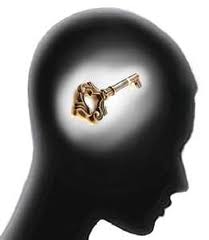 of deep relaxation to connect to subconscious mind. Subconscious mind is the hidden iceberg under the water. We normally do not use most part of the brain and the powers keep hidden. Hypnotherapy is the way to identify those hidden powers that you can use for your own benefit.
There are many myths linked with Hypnosis. The most frequently mentioned myth is that someone can control your mind and make you behave and do whatever the hypnotist wants you to do. It is completely wrong. On the contrary, you are in complete control. It is a state of Hyper awareness. ALL HYPNOSIS IS SELF HYPNOSIS. No one can control your mind. Hypnotherapy is a way to show you the right direction and make you aware of the hidden mind power that can be used for self-healing.
Hypnotherapy or medical hypnosis is a way to identify and treat the deep-rooted problems which cannot be seen from the surface above. As we can only see the roots by digging, we can only see the problem by going deep in the mind, which can only be achieved with Hypnotherapy. Since the subconscious mind is a deeper-seated, more instinctive force than the conscious mind, this is the part which has to change for the individual’s behavior and physical state to alter.
We go in a hypnotic stage multiple times without even knowing it, e.g., while driving car and while watching TV.
Hypnotherapy is a wonder tool to harness the Mind Power to use it for the desired results. It is a way to unlock the doors of success and peace in life. The World of healing can help you get the right key for yourself to unlock those doors to extreme Mind Power. The wonders of Life are hidden. Explore those wonders and get healed.

 DHYAANGURU Dr Nipun Aggarwal,MD, MBA, MHT