Let us Learn about Health and Healthcare

Archive for June, 2012|Monthly archive page

Hypnotherapy: Achieve Ultimate Mind Power !

In Health, Healthcare, Medicine on June 10, 2012 at 8:00 am

Healing Hypnotherapy Helps with

Weight reduction
Smoking Cessation
Anxiety
Depression
Stress
Chronic Pains
Migraines
Fibromyalgia
Reflex Sympathetic dystrophy
Neuropathy
Confidence Building
Public speaking
Sleep disorders
Sports performance
Memory improvement
Poor relationships
Cancer effects
Emotional Problems
Irritable Bowel Syndrome
Hot flashes

Hypnosis is a state of deep relaxation to connect to subconscious mind. Subconscious mind is the hidden iceberg under the water. We normally do not use most part of the brain and the powers keep hidden. Hypnotherapy is the way to identify those hidden powers that you can use for your own benefit.
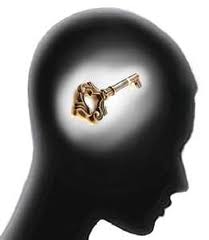
There are many myths linked with Hypnosis. The most frequently mentioned myth is that someone can control your mind and make you behave and do whatever the hypnotist wants you to do. It is completely wrong. On the contrary, you are in complete control. It is a state of Hyper awareness. ALL HYPNOSIS IS SELF HYPNOSIS. No one can control your mind. Hypnotherapy is a way to show you the right direction and make you aware of the hidden mind power that can be used for self-healing.

Hypnotherapy or medical hypnosis is a way to identify and treat the deep-rooted problems which cannot be seen from the surface above. As we can only see the roots by digging, we can only see the problem by going deep in the mind, which can only be achieved with Hypnotherapy. Since the subconscious mind is a deeper-seated, more instinctive force than the conscious mind, this is the part which has to change for the individual’s behavior and physical state to alter.

We go in a hypnotic stage multiple times without even knowing it, e.g., while driving car and while watching TV.
Hypnotherapy is a wonder tool to harness the Mind Power to use it for the desired results. It is a way to unlock the doors of success and peace in life. The World of healing can help you get the right key for yourself to unlock those doors to extreme Mind Power. The wonders of Life are hidden. Explore those wonders and get healed.

http://www.theworldofhealing.com/#!hypnotherapy

US Healthcare System: Needs Resuscitation

In Health, Healthcare, Medicine on June 9, 2012 at 8:00 am

The Problem Today

  • Defensive Medicine: Providers always overdoing to avoid malpractice law suits.
  • High Malpractice costs
  • Tough regulations
  • Reducing reimbursements
  • Increasing patient populations
  • Primary Care physicians taking all the burden and not getting paid well on top
  • Reducing enrollments in Medical Schools
  • Insurance-company restrictions resulting in less autonomy over how patients are cared for
  • Red-tapism

Doctors are being over-controlled and micro-managed  by the current regulatory systems. By training, doctors are innovators and independent thinkers. Taking away their thought process is making them into robots who just keep clicking computers to get their ends meet without any interest.

If government had to do something,

  • Why does it  not open more medical schools?
  • Why does it not make it easy for foreign trained doctors to come to US and practice medicine?
  • Why do they not cut the overwhelming malpractice costs?
  • Why do they not incentivze primary care services?
  • Why cannot they increase taxes on cigarettes, sodas and chips which are killing the Americans?
  • Why cannot they let physicians be independent and let them practice medicine rather than practicing computers?
  • Why can they not prosecute drug dealers who are contaminating the system?
  • Why do people get support from tax payers money when they can actually work but they choose not to?

It is a pain to practice such medicine in United States which boasts of being a Number 1 economy in the world. America has very poor ranking on overall health indexes as compared to other developed nations in the world. The only good part I see in Healthcare reform is the mandatory Health insurance which makes it fair for everyone. The concept of ACO and PCMH are great, but the overall goals are still very hard to achieve even with these models if the defensive medicine and malpractice costs are not taken care of. So, my appeal from all the healthcare providers and the government  is to change the Healthcare System for better rather than for worse. Make it easy for providers to practice medicine. Do not let those 1/3rd current physicians leave medicine, which they are thinking because of strict government regulations.

4 Strong Pillars for Healthcare

In Health, Healthcare, Medicine on June 8, 2012 at 8:00 am

According to a recent publication from the Institute of Medicine(IOM), Health care in the United States is at a critical point. Excessive costs are no longer tenable and mediocre outcomes are no longer tolerable. For 32 of the past 40 years, health care costs have grown faster than the rest of the U.S. economy. Federal health care costs—expected to reach $950 billion in 2012—will become the largest contributor to the national debt.

Change is highly needed. Policies and procedures needs another look. Strategies and management from the Healthcare leaders need to be well defined. We need strong pillars to sustain current healthcare and to build the future ones.

The 4 pillars of  a strong and long-term viable organizations are as under.

Foundational elements
• Governance priority—visible and determined leadership by CEO and Board
• Culture of continuous improvement—commitment to ongoing,
real-time learning
Infrastructure fundamentals
• IT best practices—automated, reliable information to and from the point of
care
• Evidence protocols—effective, efficient, and consistent care
• Resource utilization—optimized use of personnel, physical space, and
other resources
Care delivery priorities
• Integrated care—right care, right setting, right providers, right teamwork
• Shared decision making—patient–clinician collaboration on care plans
• Targeted services—tailored community and clinic interventions for resource-intensive patients
Reliability and feedback
• Embedded safeguards—supports and prompts to reduce injury and infection
• Internal transparency—visible progress in performance, outcomes, and costs

‘Doctors do not Sign Up for Sainthood’

In Health, Healthcare, Medicine on June 7, 2012 at 8:00 am

Each society in this world has many ‘Bad Fish’ which make it all dirty looking. We just blame the whole water to be dirty instead of getting rid of the bad fish. ‘Doctors don’t sign up for sainthood.’ But the general public seems to knows better about doctors. When people make derogatory comments on the medical profession and healthcare, they only highlight the presence of unacceptably high numbers among them some who deserve such criticism.

To err is human and problems exists in all professions. But since medicine concerns a person’s health, drawbacks and failures of doctors are over-projected. Doctors may be hindered by: hospital owners who make heavy investments and encourage them to ensure maximum revenue; inefficient staff in laboratories and radiological centers; pharmacies which dispense incorrect, spurious or stale medicines; pathological and radiological centers which corrupt them with lures of incentives for referring patients to them; and the failure of patients or their attendants to follow their advice.

While we should take note of all these points before passing a judgment on doctors, we have a right to expect them to abide by the solemn oath they take before they enter the medical profession.

Corruption and malpractice are common in all professions. I don’t understand why a particular profession should come under the scanner. I agree though that present-day doctors do not have the same degree of dedication as old-timers. When education becomes a business to make money, we cannot expect to have true saints.

When doctors get attached to money, the noble quality of their work suffers. So does the effect of their medicine and treatment. History has seen a number of doctors who worked purely to alleviate the sufferings of the sick, not to accumulate wealth. They were concerned about our health rather than their wealth.

We should have a social responsibility to get together to fight the wrong-doings wherever it may be. Sometimes you have to play part of a doctor to cure these social diseases. But do not blame all doctors to be making money by corrupting the system. Most of them just want to help you and make a living as everybody else.

25 Ways to Sky-Rocket Patient Experience in any Medical Practice

In Health, Healthcare, Medicine on June 6, 2012 at 8:00 am

Most healthcare practices struggle on getting their bottom line met in current economic times with everyday changing healthcare trends. Very few of them are using some basic techniques to improve patient satisfaction and outcomes.  I have complied a list of 25 golden principles that a medical practice can adopt to improve their overall turnover and patient experience.

1. Remind patients of their upcoming appointment at least 24-48 hours prior.

2. Patients should be reminded of any paperwork to bring at the time of appointment.

3. Check-in process should be easy and quick.

4. Manage the schedule in a way that patients do not have to wait longer than 10-15 minutes.

5. Rooms should be well lighted.

6. Patients should be told about their vital signs in comparison to the old ones by the Medical Assistant when putting information in.

7. Staff should greet them with a smile.

8. Be a good listener.Let them finish their talking before you start talking.

9. Address the key issues and give specific written recommendations. Provide patient handouts when necessary.

10. It is good to address one more issue as a bonus. Patients feel good about it.

11. Follow up recommendations should be clear and concise.

12. Easy Checkout is must. If it is going to take some time, have patients sit in waiting area and address their needs as soon as possible.

13. Inform the patients of any abnormal labs and actions to be taken as soon as results are obtained.

14. Engage family members in case is Older patients and patients with special needs.

15. Try to know their social engagements. This makes them friendly.

16. Reassure, Manage and Recommend sensitively.

17. Review charts before patients visit so that you may mention what you talked about last time.

18. Offer Same day appointments.

19. Offer access to their own records including lab work and radiology reports.

20. Send them a Satisfaction survey to see what their experiences are and how you can improve.

21. Make them part of the decision-making. Always give them options when possible and guide them to choose one for themselves.

22. Send Periodic Health maintenance reminders. This include follow-up screening tests.

23. Provide Online resources and references to patients to get educated about their health conditions.

24. Have a well-designed and well informative website for the practice.

25. Most Importantly, be clear about your policies and procedures, what services you offer and what you don’t,  before even patient shows up, to avoid any surprises on patient’s end. Patients have  unreasonable expectations sometimes, which can be avoided by giving them clear understanding of what you can provide and what you cannot.

All the above mentioned tips are very easy to follow and the results are amazingly good. See your practice Sky-rocket in few weeks after applying these principles.

Facts about Fats

In Health, Healthcare, Medicine on June 5, 2012 at 8:00 am

“Did you see how much cholesterol this coconut milk has?”, my wife asked me while walking down the aisle for Asian food one day. She is one paranoid personality when it comes to cholesterol in food items. At times she starts an argument about saturated and unsaturated fats although she has no clue as to what they are. And then comes the challenging part to
explain her the dynamics of cholesterol. But I enjoy those discussions as I learn a lot with the curiosity of hers.
Cholesterol is a part of lipids which is the scientific term for fats in the blood. At adequate
levels, lipids perform important cellular functions in your body, but can cause health problems if they are present in excess.
Concerning lipids are mainly cholesterol and triglycerides.
Hyperlipidemia, along with diabetes, hypertension (high blood pressure), positive family history, and smoking are all major risk factors for coronary heart disease.
Who gets it? obese, smokers,and those who don’t like to get up and exercise. Medical  conditions that cause   hyperlipidemia include diseases like diabetes, kidney disease,pregnancy and underactive thyroid gland. You can also inherit hyperlipidemia. The cause may be genetic if you have a normal body weight and other members of your family
have hyperlipidemia. You have a greater chance of developing hyperlipidemia if you are a man older than age 45
or a woman older than age 55. If a close relative had early heart disease (father or brother affected before age 55, mother or sister affected before age 65), you also have an increased risk.
Symptoms: None. You would never know it until you get adverse effects because of that. So why do I care? You better care about this because you could be the one getting a heart attack or a stroke before even knowing whats happening. Hyperlipidemia causes atherosclerosis which is hardening of the blood vessels, thereby compromising blood supply
to major organs like heart and brain.
So how do I know if I have high lipids? Blood test. The National Cholesterol Education Program recommends that people get this test every 5 years after age 20. Your blood test will show your physician the levels of different lipids in your blood which will help him decide how aggressively you need to be treated. Most blood tests measure levels of LDL (bad cholesterol) cholesterol, HDL (good cholesterol), total cholesterol (LDL plus HDL), and triglycerides. Current national guidelines suggest a LDL cholesterol goal of <100 mg/dl for individuals already with heart disease or
diabetes, <130 mg/dl for those with moderate risk of heart disease, and <160 mg/dl for everyone else. Your doctor can calculate your risk score for heart disease. This score can then be used to determine whether you need to start taking medications to lower your LDL cholesterol.
Although there are no firm treatment targets for HDL cholesterol or triglycerides, most experts agree that optimal HDL cholesterol and triglyceride levels are >40 mg/dl and <200 mg/dl, respectively.
What’s the treatment? Lifestyle modifications is the most important step to lower the lipid levels. I know some people don’t like to do it, but you need to get up and do some exercise. When it comes to eating right and exercising, there is no “I’ll start tomorrow.” Tomorrow is disease. Change your dietary habits. You should replace foods high in
saturated fats(the majority come mainly from animal sources, including meat and dairy products) with foods high in monounsaturated and/or polyunsaturated fats(vegetable oil, fish, nuts, legumes, etc). A humorous patient once said to me, “They claim red meat is bad for you. But I never saw a sick-looking tiger.” I wish I had an answer to his argument.
Stop smoking. Smoking can lower HDL, narrow your blood vessels, and injure your blood vessel walls. All of these effects can speed hardening of the arteries.Try to lose some weight. Therapeutic lifestyle changes can lower total cholesterol by 10 to 20 percent in some people. More commonly, however, people with hyperlipidemia experience a 2 to 6 percent reduction from TLC. If TLC doesn’t help, its time to start some medication which your doctor will decide for you. Lipid-lowering medications include Statin drugs (which prevent your liver from manufacturing cholesterol), Bile acid sequestrants, (which prevent your body from reabsorbing the cholesterol in bile. Bile is a liquid secreted into your small
intestine that helps you digest dietary fats), Fibrates and Niacin.
So, its never too late. Lets work on it. Remember, the best six doctors anywhere are sunshine, water, rest, air, exercise and diet.

Every Doctor’s Dream…..

In Health, Healthcare, Medicine on June 4, 2012 at 9:30 am
  • All available appointments are full.
  • All staff showed up for their shifts.
  • No one burns toast in the toaster oven and sets off the fire alarm.
  • None of the staff show up to work wearing flip-flops or pink underwear beneath their white scrubs.
  • All patients have been reminded about their appointments so they all show up.
  • Patients calling for same-day appointments are able to be worked-in appropriately.
  • No patients give false information at check-in.
  • Established patients arrive on time with their insurance information and co-pay.
  • New patients arrive on time to complete their paperwork, and give their insurance card, photo ID and co-pay to the receptionist.
  • Patients with fasting appointments arrive having fasted.
  • All patients arrive bringing their bag of medications.
  • Patients in wheelchairs and with difficulty ambulating are accompanied by caregivers.
  • Patients who do not speak English or are deaf have notified the office prior to the appointment and the appropriate technology or interpreters are available for the appointment.
  • Patients with procedure appointments have followed their pre-procedure instructions.
  • Patients with procedures have been pre-authorized by their insurance carrier and their personal financial responsibility has been discussed with them and payment arrangements have been made.
  • Patient eligibility has been checked and those unable to be authorized have been called before their appointment to gain further information about their payer source.
  • If computers go down, there are paper procedures in place to enable staff to continue seeing patients.
  • No patients arrive saying “I forgot to tell you, this is Worker’s Comp/ an auto accident/ a liability case and I was told by my lawyer not to pay anything.”
  • None of the patients pee on a waiting room chair.
  • Neither JCAHO nor any state or federal officers show up.
  • The copiers and faxes all work.
  • No subpoenas come in the mail.
  • It’s not your very first day live on electronic medical records.
  • All phone calls are answered before the third ring and no one has to leave a message.
  • No patients walk in the door with severe chest pains and say “I knew the doctor would want to see me.”
  • Patients remember to call the pharmacy for refills.
  • Providers all run on time and seem in particularly good moods.
  • Patients get their questions answered with callbacks within two hours.
  • Someone delivers sandwiches, drinks and brownies to the practice for lunch. There is enough for everyone.
  • No bounced checks come in the mail.
  • Providers spend so much time in the exam room listening to their patients that the patients leave feeling that every question they had (and a few they didn’t know they had) was answered.
  • Providers circle the services and write the diagnosis codes numerically on the encounter form, remembering that Medicare doesn’t pay for consults any more.
  • Sample medications that providers want to give patients are in the sample closet.
  • Records that providers want to reference are in the chart and are highlighted.
  • No one calls urgently for old medical records that are in the storage unit across town.
  • There are no duplicate medical records.
  • Patients checking out never say “But he was only in the room for 5 minutes!”
  • The patient restrooms don’t run out of toilet paper.
  • No bankruptcy notices come in the mail.
  • All phlebotomists get blood on the first stick.
  • No kids cry.
  • Congress announces that the SGR formula has been revoked and a new reasonable model for paying physicians has been discovered.
  • Everyone goes home at 5:00 p.m., glad to have a job, glad to be of service, and happy with their paychecks.

WISH IT HAPPENED IN REAL WORLD.

Doctor’s Story: Not much Glory

In Health, Healthcare, Medicine on June 3, 2012 at 9:35 am

Sleepless Nights,Big Bright lights,
I made books and blood my friends,
Had to know all the current trends.
I cried a lot,I suffered a lot,
Throughout the journey, I did not leave the plot.
Serving is my mission,Care is my vision.
Even with the pain, medicine is my passion.
I stayed far from my family, did not get all the love,
I touched the disease many times without the glove.
I may seem to be making money,
But do not forget that I have to leave my honey.
I get up early and sleep very late,
Just to make sure that I change your fate.
I hold your hands when you need,
Forgetting at times that I need to feed.
I love what I do,
But still fear the ‘Sue’.
I am the one,
On the run.
Never Tired,
Always Hired.
When I get calls
For somebody who falls
I get up to make you stand
Always greet you by shaking hands,
I may fly wavy like a helicopter,
Believe it or not, I am your Doctor.

DOCTORS GO THROUGH A LOT TO MAKE YOU FEEL BETTER.
SO, APPRECIATE THEIR WORK !

Treat Patients the way you would like to get treated

In Health, Healthcare, Medicine on June 2, 2012 at 8:00 am

I  was a happy man when I passed my USMLE Step 3 exam. All doctors in US have to pass the USMLE Step 3 exam which deals with how you ‘Treat’ the patient. It is not just the medical diagnosis and treatment, it is the whole process of management that starts as soon as you enter the room. Doctors get graded heavily on their behavior towards the patient.

With changing healthcare and pressure of documenting everything, doctors are finding it really hard to keep that connection going. 15 minutes for a patient’s visit is not enough most of the times. If you increase the times, the ‘bottom-line revenue gets hurt. It has come to the point where doctors are taking their work home,making it hard for them to enjoy family time. That is why, medicine is no more one of the top demanded profession.

Despite all the hassles and pains, doctors in US continue to treat their patients in the best way they can. What is patient’s need? That somebody listens to them and help them. When listening, analyzing and actions become time-bound, the connection gets lost somewhere leaving both the parties unsatisfied most of the times. We are not paying much ‘Attention’. The doctor-patient relationship is central to the practice of healthcare and is essential for the delivery of high-quality health care in the diagnosis and treatment of disease. The doctor-patient relationship forms one of the foundations of contemporary medical ethics. There are very few physician practices who are actively involved in patient satisfaction surveys to know exactly where they are in terms of their services.

This loss of connection is nobody’s fault. It is the fault of the system that we as a society have designed. Health is no more a personal issue. It has become ‘E-Health’ (electronic health). Now you go for a doctor’s visit, what you hear is clicking(mouse and keyboard). We have lost the personal touch.

Is there a way to revive back the relationship and improve quality on top? Yes. The emerging concept of Patient Centered Medical Home(PCMH) takes away that burden off from the physicians and satisfies the patients. It is a multi-disciplinary integrative  approach towards patient. It does not just deals with the current problems, but helps manage overall wellness. It ensures that patients get the attention required to manage their issues.

PCMH aims to collaborate the various divisions of healthcare on a single platform to give a ‘One Stop Shop’ for health and wellness. AHA, HITECH,ACO and all other reforms added recently, have led Healthcare institutions to come up with processes to reduce waste, improve quality and deliver best possible care. The Healthcare IT industry is the busiest industry in current times. New softwares and techniques are being launched on a daily basis to make the current systems efficient.

But, whatever the case may be, Medicine is about ‘Connecting with the Patient’. We need to focus on E-Health, but not at the stake of Physician-Patient relationship. Whenever I feel myself swaying away by the winds of technological pressures, I stop and think to myself, “Is this the way I would like to be treated if I am a patient?”

From a doctor’s perspective, I would appeal to all the patients that the behavior of  doctors towards health is not by personal choice. The changes in Healthcare are coming too fast and sometimes it is hard to keep holding the ground for the healthcare providers. I am not sure how long this may take. But one thing is for sure, E-health can never overpower the strength of ‘Physician-Patient Relationship’.

Autoimmune Diseases: Stop Self Destruction !!

In Health, Healthcare, Medicine on June 1, 2012 at 7:00 am

Have you been wondering why and how do people in 21st century get bombarded with diseases that  were never heard of ? People still don’t know majority of the very common diseases in the current world. Everyone knows Hypertension (High BP), Diabetes, Cancer, Heart attacks and few more. But you will be surprised to know the toll some of the Autoimmune diseases take.

Autoimmune disorders arise from an inappropriate immune response of the body against substances and tissues normally present in the body. In other words, the immune system mistakes some part of the body as a pathogen and attacks its own cells. This may be restricted to certain organs (e.g. in autoimmune thyroiditis) or involve a particular tissue in different places (e.g. Goodpasture’s disease which may affect the basement membrane in both the lung and the kidney).

FURIOUS FACTS ABOUT AUTOIMMUNE DISEASES


• The National Institutes of Health (NIH estimates up to 23.5 million Americans suffer from autoimmune disease and that the prevalence is rising. In comparison, cancer affects up to 9 million and heart disease up to 22 million.
• Researchers have identified 80-100 different autoimmune diseases and suspect at least 40 additional diseases of having an autoimmune basis. These diseases are chronic and can be life-threatening.
• Autoimmune disease is one of the top 10 leading causes of death in female children and women in all age groups up to 64 years. of age.
• A close genetic relationship exists among autoimmune disease, explaining clustering in individuals and families as well as a common pathway of disease.
• Symptoms cross many specialties and can affect all body organs.
• Medical education provides minimal learning about autoimmune disease.
• Specialists are generally unaware of interrelationships among the different autoimmune diseases or advances in treatment outside their own specialty area.
• Initial symptoms are often intermittent and unspecific until the disease becomes acute.
• According to the Department of Health and Human Services’ Office of Women’s Health, autoimmune disease and disorders ranked #1 in a top ten list of most popular health topics requested by callers to the National Women’s Health Information Center.

Examples of Autoimmune or Autoimmune Related Diseases

  • Acute disseminated encephalomyelitis (ADEM). A form of encephalitis caused by an autoimmune reaction and typically occurring a few days or weeks after a viral infection or a vaccination.
  • Addison’s disease. A disease often caused by autoimmune destruction of the adrenal cortex.
  • Ankylosing spondylitis. A chronic, painful, progressive inflammatory arthritis primarily affecting spine and sacroiliac joints, causing eventual fusion of the spine.
  • Antiphospholipid antibody syndrome (APS). A disease that causes blood clots to form in veins and/or arteries.
  • Aplastic anemia. A disease caused by an autoimmune attack on the bone marrow.
  • Autoimmune hepatitis. A disorder wherein the liver is the target of the body’s own immune system.
  • Autoimmune Oophoritis.  A disorder in which the immune system attacks the female reproductive organs.
  • Celiac disease – sprue. A disease characterized by chronic inflammation of the proximal portion of the small intestine caused by exposure to certain dietary gluten proteins.
  • Crohn’s disease. A form of inflammatory bowel disease characterized by chronic inflammation of the intestinal tract causing abdominal pain and diarrhea. There is also a theory that Crohn’s Disease is an infectious disease caused by Mycobacterium avium paratuberculosis.
  • Diabetes mellitus type 1. A disorder  that is characterized by a deficiency or absence of insulin production (Type I). It is often the consequence of an autoimmune attack on the insulin-producing beta cells in the islets of Langerhans of the pancreas.
  • Gestational pemphigoid. A pregnancy-related blistering condition where auto antibodies attack the skin.
  • Goodpasture’s syndrome. A disease characterized by rapid destruction of the kidneys and hemorrhaging of the lungs through autoimmune reaction against an antigen found in both organs.
  • Graves’ disease. A disorder of the thyroid caused by anti-thyroid antibodies that stimulate the thyroid into overproduction of thyroid hormone. It is the most common form of hyperthyroidism.
  • Guillain-Barré syndrome (GBS). An acquired immune-mediated inflammatory disorder of the peripheral nervous system. Also referred to as:  acute idiopathic polyradiculoneuritis, acute idiopathic polyneuritis,  acute inflammatory demyelinating polyneuropathy, and Landry’s ascending paralysis.
  • Hashimoto’s disease. A condition characterized by initial inflammation of the thyroid, and, later, dysfunction and goiter. There are several characteristic antibodies (e.g., anti-thyroglobulin).  A common form of hypothyroidism,
  • Idiopathic thrombocytopenic purpura. An autoimmune disease where the body produces anti-platelet antibodies resulting in a low platelet count.
  • Kawasaki’s disease. A disorder caused by an autoimmune attack on the arteries around the heart.
  • Lupus erythematosus. A chronic (long-lasting) non organ specific autoimmune disease wherein the immune system becomes hyperactive and attacks normal tissue. This attack results in inflammation and brings about symptoms.
  • Mixed Connective Tissue Disease. A disorder that   has features of other connective tissues diseases — lupus,  polymyositis, rheumatoid arthritis, and scleroderma, diagnosed by the presence of  anti-body U1-RNP.
  • Multiple sclerosis. A disorder of the central nervous system (brain and spinal cord) characterized by decreased nerve function due to myelin loss and secondary axonal damage.
  • Myasthenia gravis. A disorder of neuromuscular transmission leading to fluctuating weakness and fatigue. Weakness is caused by circulating antibodies that block (antagonist) acetylcholine receptors at the neuromuscular junction.
  • Opsoclonus myoclonus syndrome (OMS).  A neurological disorder that appears to the result of an autoimmune attack on the nervous system. Symptoms include  ataxia, intention tremor, dysphasia, dysarthria,  myoclonus, mutism, hypotonia, opsoclonus, lethargy, irritability or malaise. About half of all OMS cases occur in association with neuroblastoma.
  • Optic neuritis. An inflammation of the optic nerve that may cause a complete or partial loss of vision.
  • Ord’s thyroiditis. Thyroiditis similar to Hashimoto’s disease, except that the thyroid is reduced in size.
  • Pemphigus. An autoimmune disorder that causes blistering and raw sores on skin and mucous membranes.
  • Pernicious anaemia. An autoimmune disorder characterized by anemia due to malabsorption of vitamin B12
  • Primary biliary cirrhosis. An autoimmune disease that affects the biliary epithelial cells (BECs) of the small bile duct in the liver. Although the cause is yet to be determined, most of the patients (>90%) appear to have auto-mitochondrial  anti-bodies (AMAs) against pyruvate dehydrogenase complex (PDC), an enzyme that is found in the mitochondria.
  • Rheumatoid arthritis. An autoimmune disorder that causes the body’s immune system to attack the bone joints.
  • Reiter’s syndrome. An autoimmune disease affecting various body systems in response to a bacterial infection and the body’s confusion over the HLA-B27 marker .
  • Sjögren’s syndrome. An autoimmune disorder in which immune cells attack and destroy the exocrine glands that produce tears and saliva.
  • Takayasu’s arteritis. An auto immune disorder that results in the narrowing of the lumen of arteries.
  • Temporal arteritis (also known as “giant cell arteritis”). An inflammation of blood vessels, most commonly the large and medium arteries of the head. Untreated, the disorder can lead to significant vision loss.
  • Warm autoimmune hemolytic anemia. A auto immune disorder characterized by IgM attack against red blood cells
  • Wegener’s granulomatosis . A form of vasculitis that affects the lungs, kidneys and other organs.

Have we ever tried to realize as to why has this been happening so much?

Humans have become a walking stress machines. What applies to us is ‘Garbage in, Garbage out’. We put in bad thoughts and it comes as bad actions. We hardly pay attention to our body. We have started believing in “Materialism’. We want to get what-ever we can in this lifetime. We keep accumulating stuff thinking we may need it some day. But unfortunately, the day never comes. But what comes is disease.

Most of the autoimmune diseases are caused by

  • Stress
  • Poor Lifestyle
  • Unhealthy eating habits
  • Lack of exercise
  • Chronic dehydration: Not drinking enough water
  • Hereditary factors
  • Female Gender: Females are more prone to Autoimmune diseases

An autoimmune disorder may result in:

  • The destruction of one or more types of body tissue
  • Abnormal growth of an organ
  • Changes in organ function

An autoimmune disorder may affect one or more organ or tissue types including:

  • Blood vessels
  • Connective tissues
  • Endocrine glands such as the thyroid or pancreas
  • Joints
  • Muscles
  • Red blood cells
  • Skin

Symptoms can be very weird ranging from

  • Fever
  • Weight loss
  • Fatigue
  • Headaches
  • Body aches, etc

Diagnostic Tests

Your doctor may order the test based on your symptoms. But a few  most common ones are

  • ESR
  • CRP
  • ANA
  • CBC
  • Specific Autoantibody tests

Treatment

Immunosuppression: Medications which decreases the immune response. But it is not that simple. Most of the Immunosuppressants bring a high risk of side effects which are sometimes really hard to deal with.

Being a believer in Naturopathy and Alternative Medicine also, I recommend Lifestyle Modification be the primary treatment to fight against these painful diseases. They will detoxify your body. Some of them are:

  • Daily exercise
  • Healthy Diet: Fruits and Veggies
  • Drinking plenty of water
  • Multivitamin daily
  • Acupressure and Reflexology
  • Yoga
  • Meditation
  • Relaxation exercises including deep breathing
  • Reducing Sugar intake

The above mentioned treatments are not an alternative to medical treatment. So, do contact your doctor for management if your symptoms are uncontrolled.

One should understand that the idea is to detoxify the body and bring harmony within your body. Stop chasing for things that do not matter down the road. We do not carry what we buy for ourselves with us all the time 24X7. What we carry is our physical body every moment of our life. So value it and do not neglect it.